By H. Lynn Gardner
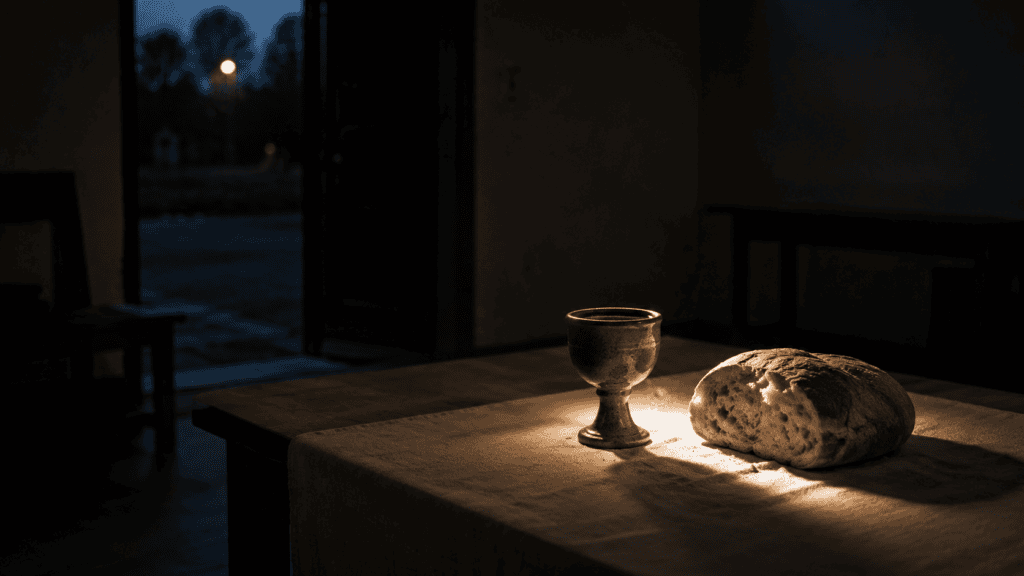
“On the first day of the week, when we were gathered together to break bread, Paul talked with them” (Acts 20:7*). “And they devoted themselves to the apostles” teaching and the fellowship, to the breaking of bread and the prayers” (Acts 2:42).
 Luke says the central purpose for assembling is “to break bread,” which underscores its primary importance (Acts 20:7). The church observed the Lord’s Supper on the first day of the week. Early Christian writers say this was because Jesus rose from the dead on the first day of the week.
Comments from early Christian writers about the worship assembly are few. But here are two references from the mid-second century.
The Didache states, “Having earlier confessed your sins so that your sacrifice may be pure, come together each Lord’s day, break bread, and give thanks” (14:1).
Justin Martyr writes in his First Apology,
And on the day called Sunday there is a gathering together in the same place of all who live in a city or a rural district. The memoirs of the apostles or the writings of the prophets are read, as long as time permits. Then when the reader ceases, the president in a discourse admonishes and urges the imitation of these good things. Next we all rise together and send up prayers. And, as I said before, when we cease from our prayer, bread is presented and wine and water. The president in the same manner sends up prayers and thanksgivings according to his ability, and the people sing out their assent saying the “Amen.” A distribution and participation of the elements for which thanks have been given is made to each person, and to those who are not present it is sent by the deacons. Those who have means and are willing, each according to his own choice, gives what he wills, and what is collected is deposited with the president. He provides for the orphans and widows, those who are in want on account of sickness or some other causes, those who are in bonds and strangers who are sojourning, and in a word he becomes the protector of all who are in need (Apology I, 67).
In Early Christians Speak, church historian Everett Ferguson says, “From the surviving accounts we find the following acts in early Christian worship: Scripture reading, preaching, [singing,] praying, partaking of the Lord’s Supper, and giving.” He notes, “The Lord’s Supper was not celebrated on Saturday in earliest times, and only later did liturgical practice reach back to Saturday with special preparatory services.”
_________
*All Scripture quotations are from the English Standard Version of the Bible.
H. Lynn Gardner’s website is www.lynngardner.info.

Author: Christian Standard
Contact us at **@********************ia.com