December 30, 2024

A Raccoon, a Mayor, and a Rural Revival
The historic First Christian Church of Monticello, KY, has experienced growth and revival under the ministerial leadership of Joe Tipton.
December 30, 2024
The historic First Christian Church of Monticello, KY, has experienced growth and revival under the ministerial leadership of Joe Tipton.
March 21, 2024

"Not 1804, not 1809," Ira M. Boswell wrote in 1924, "but that day in January, 1832, when the union between the Disciples of Christ and the Christians was consummated, is the greatest date in religious history between Pentecost and now" . . .
March 1, 2024
What can we learn by reviewing Restoration Movement history? . . .
January 11, 2024
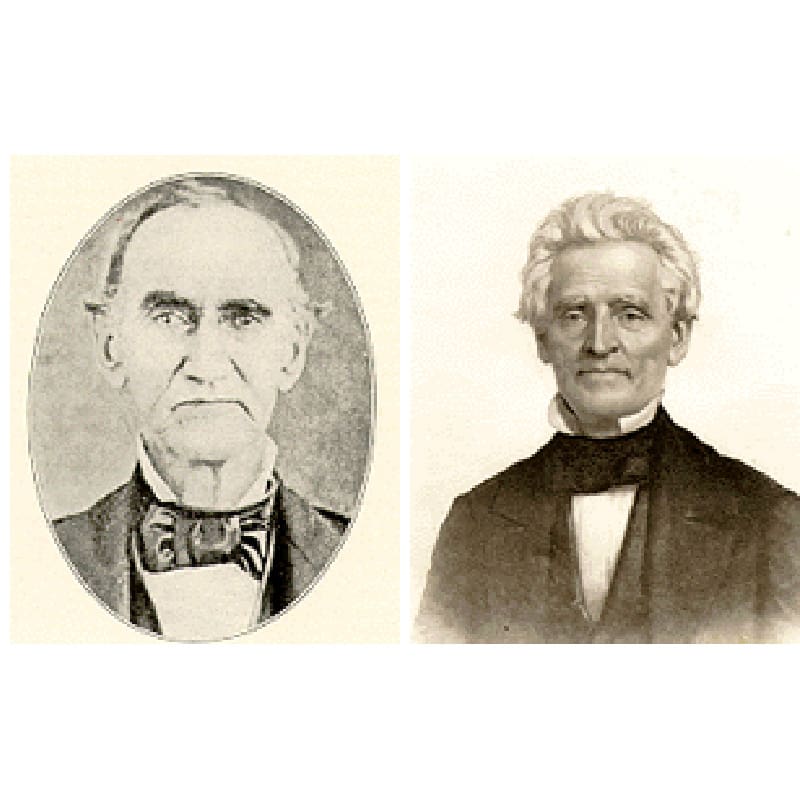
Christians gathered at The Lexington Cemetery in 1909 to hear J.W. McGarvey offer his recollections of eight "pioneer preachers" who are buried there, including John T. Johnson, Raccoon John Smith, Robert Milligan, and more. (Part 1)

Jim Macdonald's quest to provide a solid education for his three daughters in the 1980s has grown and morphed through the years into Onward Christian Academy, an affordable online alternative to public schools. . . .
May 23, 2023

First Christian Church in Monticello, Ky., had a banner year for baptisms in 2022, according to the annual Church Report compiled by Christian Standard. Senior minister Joe Tipton said three factors accounted for the large number of baptisms at the church (which dates back to 1831) . . .
April 27, 2023

James A. Stevens, who ran newspapers in Mississippi and Texas after the Civil War, shares brief recollections of Alexander Campbell, Tolbert Fanning, W. K. Pendleton, Thos. W. Caskey, and others.
March 9, 2023

This brief anecdote was the shorter, secondary item in J. W. McGarvey’s weekly “Biblical Criticism” column for the issue dated May 11, 1907. It is notable mainly because Restoration Movement pioneer “Raccoon” John Smith plays the pivotal role in the story.
May 1, 2022
Can We Restore the Unity of the Restoration Movement?
November 16, 2021

An excerpt from the new book, "At the Blue Hole: Elegy for a Church on the Edge," by Jack R. Reese, about the noninstrumental Churches of Christ which are now seen as being in rapid decline.
September 28, 2021

Three church anniversaries: First Christian Church (Monticello, Ky.) will feature an appearance by founder "Raccoon" John Smith; Oak Grove Christian Church (Lake Lynn, Pa.); and First Christian Church (Lamar, Mo.)
November 2, 2019
Historic Church Serves Youth, Savors the Growth By Justin Horey Leading an effective children’s ministry is a lot like baking a cake. It’s important to have the right tools, a complete recipe, and all the necessary ingredients. Even with all of those things in place, the process can still be messy. But as First Christian Church of Monticello, Kentucky, is proving, the results can be sweet. “Raccoon” John Smith, the renowned 19th-century evangelist, started First Christian Church in the tiny frontier town of Monticello in 1831. By the time senior minister Joe Tipton arrived at the church in 2011, Monticello
June 20, 2019
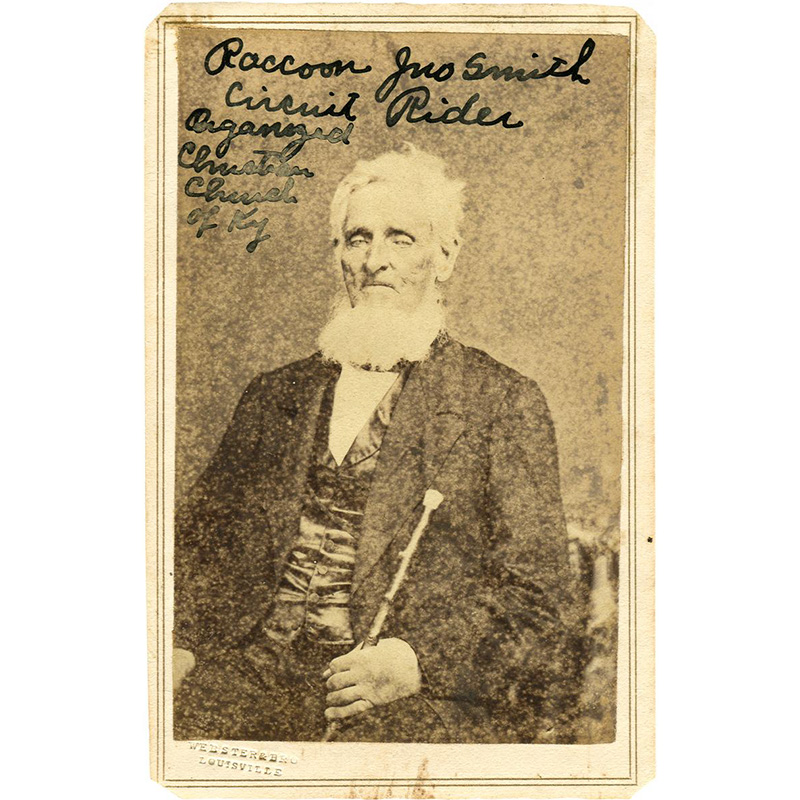
(Read Part 1 of this profile, published June 13.) Before launching into Part 2 of this profile of “Raccoon” John Smith from 1925, we should offer an explanation for how he acquired his nickname. The opening of M.M. Davis’s article about Smith from June 12, 1909, gives this account. _ _ _ “Raccoon” John Smith [1784–1868] is the most unique character in our history. . . . Just why he should have this undignified nickname is not clear, for he was never a hunter of anything, much less of raccoons. But of all names in the world needing a distinguishing
June 13, 2019
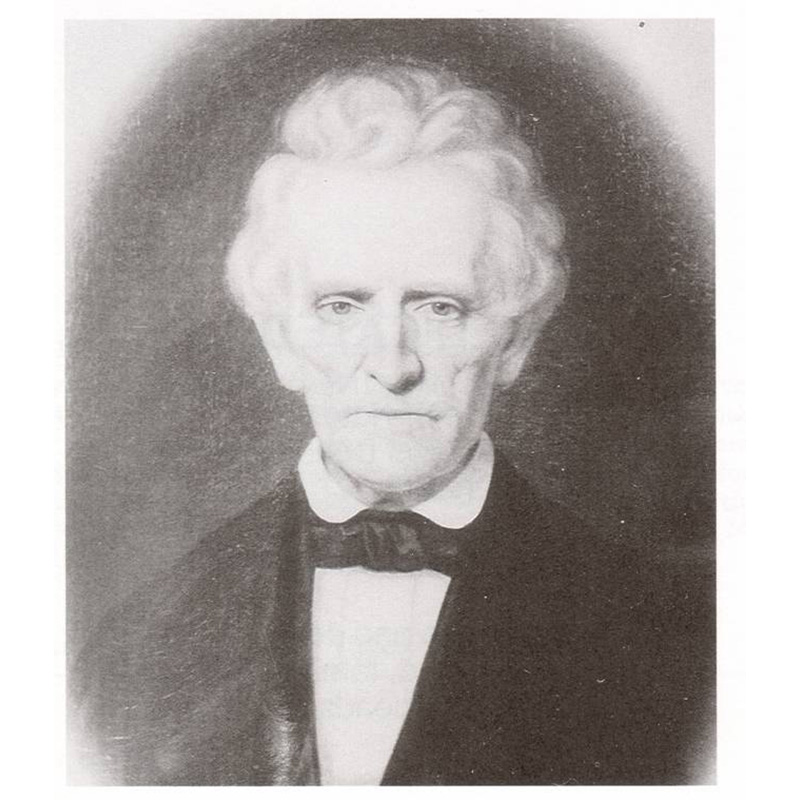
When the Stone Movement and the Campbell Movement united in 1832, “Raccoon” John Smith helped seal the deal. Barton W. Stone represented his contingent of churches at those meetings in Kentucky, while Smith represented Alexander Campbell’s interests. Here are Smith’s historic words on that occasion: “Let us, then my brethren, be no longer Campbellites or Stoneites, New Lights or Old Lights, or any other kind of lights, but let us come to the Bible, and to the Bible alone, as the only book in the world that can give us all the light we need.” We start this week with
September 29, 2018
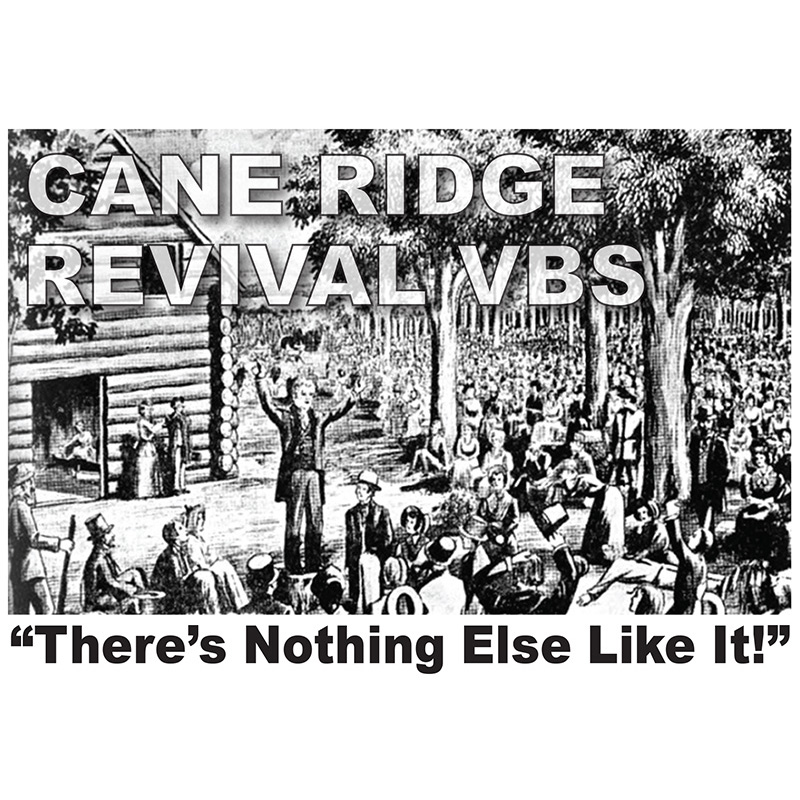
By Caleb Kaltenbach CANE RIDGE, KY—Several Restoration Movement churches tried out the first “Cane Ridge Revival VBS” this past summer. “There’s really nothing else like it,” said Tim North, who created the program. “The idea is to help children not only encounter Jesus, but also to experience what it was like to attend this August 1801 revival!” “I’ve never seen a VBS like ‘Cane Ridge,’” said Frank Stone, minister with Ebenezer Christian Church. “There were no fancy decorations, take-home trinkets, crafts, or anything. They wanted these kids to have a true Cane Ridge experience, so they didn’t even need microphones.”
May 31, 2018

By Jerry Harris The Restoration Movement has faced critical junctures at least twice in its history. The first time was after the Civil War. Deep wounds remained as the nation endeavored to reconstruct itself. Death had silenced the great leaders of our movement: Barton Stone in 1844, Thomas Campbell in 1854, John T. Johnson in 1856, Walter Scott in 1861, Alexander Campbell in 1866, and “Raccoon” John Smith in 1868. Division came from many voices that tore at the fabric of the simple principles of unity based in the restoration of the church of the New Testament. It was into
June 20, 2017
By Jeff Faull Attitudes toward the Restoration Movement from within the movement are greatly varied. They range from a blind, unquestioning loyalty to the movement””its founders, champions, and slogans””to a lack of interest and an assessment that our historic plea and positions are irrelevant, all the way to an overt disdain and intentional distancing from our heritage and history. Myriads of articles have been written about the ongoing decline of denominational loyalty. The editors of Christianity Today even put a tombstone under the headline “Are Denominations Dead?” on their June 2010 cover, highlighting a piece on waning tribal commitment by
April 18, 2016
“You don”t have to leave the movement to lead beyond it.” Six perspectives on a provocative statement ________ By Jennifer Johnson These leaders love the Restoration Movement and its principles, but they also work and minister “outside” of it with the churches they serve, the partnerships they pursue, and the parachurch ministries they lead. Here are their thoughts on what it means to go beyond the movement, why it matters, and how it can honor God. Brent Storms The biggest question for me is how does one “get in” and “get out” of our movement? We”re coming across planters and church
June 13, 2010
By Our Readers These letters are in reaction to two articles that appear in the June 13, 2010, issue of CHRISTIAN STANDARD: “Two Views About the Future of the Restoration Movement: Let”s Keep Moving!” by LeRoy Lawson “Two Views About the Future of the Restoration Movement: Dissolve or Thrive?” by Dick Alexander Of Principles and Principals The principles of the Restoration Movement have remained firm and strong, but many of the principals of the Restoration Movement have not. A quote from Carl Ketcherside of some 30 years ago: “The Restoration Movement has become the Restoration Monument.” Why was/is that? We have pursued the leadings
September 17, 2006
By David Faust One hundred years ago something terrible happened: the Great San Francisco Earthquake of 1906. It measured 8.3 on the Richter scale, it killed hundreds of people, and the worst part was the aftermath. Ninety percent of the damage was caused not by the earthquake itself, but by all the fires that burned for days afterward. That same year a different kind of earthquake shook our land. A movement dedicated to the restoration of Christian unity and biblical faith was tearing apart at the seams. Tempers flared. Churches split. Harsh words were said. People were confused and hurt.

April 7, 2026
John B. Penrose Jr

April 7, 2026
David Faust
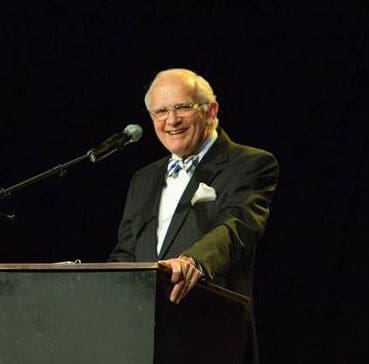
March 27, 2026
Rick Cherok