
By Stuart Powell
God used visible signs throughout the Old Testament to confirm the message of his revelation; three examples included the rainbow, the tabernacle, and feasts. When people of faith encountered these visible signs, they would recall the stories behind them. They would retell the words God shared with earlier believers. All of these signs accompanied a promise God made to his people. So each sign became the physical manifestations of the promise God made.
Two of the most prominent signs representative of Old Testament promises were the rite of circumcision, a reminder of God’s promises because of the faith of Abraham and his children, and celebration of Passover, a recollection of God’s deliverance of Israel from slavery.
Jesus also used visible signs to confirm the message of his revelation and to remind and reassure his followers of his promises. Among the most prominent signs Jesus redefined in the New Testament were the rite of baptism and the celebration of the Lord’s Supper. Like their Old Testament counterparts, these signs were physical manifestations of the promise God made through Jesus.
Whenever we see a baptism, we should recall the death, burial, and resurrection of Jesus. Whenever we eat the bread and drink the cup of the Lord’s Supper, we should recall Jesus’ promise: “This cup that is poured out for you is the new covenant in my blood” (Luke 22:20, New English Translation).
The manifestations described in Scripture are not reminders for individual believers only. They point to promises for the entire body of believers. Together we share equally in the promises of God’s grace. When you witness other believers eating and drinking from this table, it is a reminder of our shared promise that, in Christ, we can enter God’s presence freely to worship him as members of his church eternal.
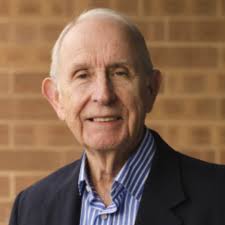
Stuart Powell lives outside of Terre Haute, Indiana, where he serves with the North Side Christian Church.

Author: Stuart Powell
Stuart Powell lives outside of Terre Haute, Indiana, where he serves with the North Side Christian Church.