Preaching that equips leads to transformation
Chris Philbeck reflects on leading a preaching cohort and the biblical call for preachers to “equip” God’s people. He shares lessons from decades of ministry, emphasizing that Scripture must first shape the preacher personally before it powerfully shapes others.
- Preachers are called to be equippers, preparing God’s people for service.
- Practical equipping grows when the Word has first made a difference in the preacher.
- Authenticity in preaching is strengthened by lived experience and Scripture’s ongoing work.
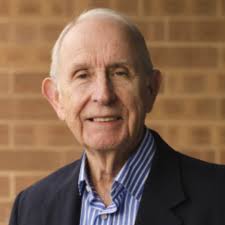
By Chris Philbeck
For the past several months I’ve had the privilege of leading a preaching cohort. Every month I schedule a virtual call with five preachers leading churches of various sizes in different states. In our most recent call, we talked about the importance of preaching to equip because we understand the Bible was given for transformation, not information. Paul makes this responsibility clear in Ephesians 4:11-16 when he writes,
Christ himself gave the apostles, the prophets, the evangelists, the pastors and teachers, to equip his people for works of service, so that the body of Christ may be built up until we all reach unity in the faith and in the knowledge of the Son of God and become mature, attaining to the whole measure of the fullness of Christ. Then we will no longer be infants, tossed back and forth by the waves, and blown here and there by every wind of teaching and by the cunning and craftiness of people in their deceitful scheming. Instead, speaking the truth in love, we will grow to become in every respect the mature body of him who is the head, that is, Christ. From him the whole body, joined and held together by every supporting ligament, grows and builds itself up in love, as each part does its work (New International Version).
One thing you’ll notice the different roles Paul mentions in verse 11 have in common is the responsibility to “equip” God’s people. The word equip in verse 12 means “making fit, preparing, training and perfecting.” It describes making someone fully qualified for service. That means, as preachers, we are called to be equippers.
Becoming a Preacher Who Equips
My first preaching ministry began in the fall of 1982, when I planted a church in Sugar Land, Texas. At the time I didn’t fully understand this responsibility to equip; I just wanted to preach. So, it took me a while to grow into a preacher who equipped. Now, I’m going to pause here and say, “I don’t want to be too hard on myself” (and I don’t want you to be too hard on yourself). I believe my commitment to preaching the Bible, with an emphasis on verse-by-verse preaching, led to effective equipping, despite my shortcomings, because of the power of God’s Word. Second Timothy 3:16-17 says, “All Scripture is God-breathed and is useful for teaching, rebuking, correcting and training in righteousness, so that the servant of God may be thoroughly equipped for every good work.” But, again, it took me a while to grow into a preacher who equipped. And while there are some practical ways to do that, like including clearly defined next steps in each message, identifying specific needs to be met in your church or community, or emphasizing God’s design for spiritual gifts, there was one thing that helped me more than anything else. It may sound simple, but I became a preacher who equips when I understood that before the Scripture could make a difference in someone else’s life, it needed to make a difference in mine.
I love God’s Word. The first verse I ever memorized when I was a boy, was Psalm 119:105, “Thy Word is a lamp unto my feet, and a light unto my path” (King James Version). The Bible has always made a difference in my life. But in my earliest days of preaching, I would often be so focused on the details of writing a sermon for others to hear, that I didn’t let the text make a personal impact on my own heart. Fortunately for me, and for all of us, God’s Word has the power to impact our lives, even when we’re not thinking about ourselves. Hebrews 4:12 says, “For the word of God is alive and active. Sharper than any double-edged sword, it penetrates even to dividing soul and spirit, joints and marrow; it judges the thoughts and attitudes of the heart”(NIV). That’s what happened to me over and over again in my preaching. And even though I’m retired from full-time ministry, it continues to happen as I write and prepare sermons for preaching opportunities today.
Speaking As God’s Word Speaks to Us
We stand in the pulpit week in and week out and open God’s Word for a message of grace and forgiveness, hope and comfort, victory and vision, and so much more. Before we can do that in a meaningful way, we need to recognize how God’s Word has spoken those same things to our own hearts. When I listen to a sermon, I can tell whether the one speaking has experienced the text on a personal level. I see it on their face, I hear it in their voice, and I feel it in their presence. I know that sounds completely subjective, but it’s real to me. And it speaks to me because there is an authenticity to the message that can’t be faked. I’m a two-time cancer survivor. I know firsthand what it feels like to suffer, not only the physical pain and discomfort of a life-threatening disease, but also the emotional pain that comes through doubt and fear as well. I know the effect it has on your loved ones. When I preach about experiencing the presence and peace of God during suffering, I know what that’s like because I’ve been there. I’ve experienced what God meant when he told Paul, “My grace is sufficient for you, for my power is made perfect in weakness” (2 Corinthians 12:9). I’ve experienced that truth in my own life, and it gives power to my words.
Proverbs 25:11 says, “A word fitly spoken is like apples of gold in settings of silver” (Modern English Version). This verse reminds me that just like timing and tone can be crucial to the words we speak, context can be crucial as well. When we preach from our own experience with God’s Word, our words will be powerful.

Author: Chris Philbeck
Chris Philbeck serves as senior pastor of Mount Pleasant Christian Church in Greenwood, Indiana. He has been in ministry since 1980 and has had the privilege of planting a new church, leading a turn-around church, and now leading a megachurch. Chris is passionate about biblical preaching, effective leadership, and developing new and better ways for the local church to make an impact in the community and the world.