Why Stewardship Matters for Churches and Disciples
This article reflects on a lifelong journey with money, debt, generosity, and trust in God. It connects personal financial formation with the church’s responsibility to teach stewardship, protect accountability, and help disciples live wisely with resources.
- A personal story about money leads into a testimony of tithing and God’s provision.
- The article urges churches to teach clearly about debt, stewardship, and financial discipleship.
- Strong fiscal accountability helps ministries use resources wisely and maintain trust.
By Dick Hess
From a very young age I became interested in money, and that hasn’t changed over the last 65 years. It began with the counting sheets we received in elementary school that pictured various coins that you added up to get a value. These exercises were fun for me, even though they were timed, and it was a challenge to see if I could be the first one in my class to finish.
My Personal History with Money
Money really came into focus for me in the seventh grade, when I was given the opportunity to take a class trip to Washington, D.C. Sadly, my parents said we couldn’t afford it. I was devastated. In what became a defining moment for the rest of my life, I decided then and there to learn all I could about money so I would never again be unable to do something I wanted to do (later updated to “within reason”).
High school ended and without the funds for continuing education, I joined the Marine Corps. My intention was to serve my four years and then get out, taking advantage of the G.I. Bill for college tuition. A brilliant discovery led me to realize there were funds available from the Marine Corps that would allow me to take classes at East Carolina University in the evenings—a benefit that led to three degrees. I like to say I only went to school for three terms: Ford, Carter, and Reagan! All of these were paid for by my military benefits, so I never incurred college debt.
Jenanne and I were engaged in September 1974, and my plans were to leave the Marine Corps at the end of my enlistment on June 30, 1975. At the last minute, after being encouraged by several officers in my squadron, I reenlisted for another four years. A quick phone call to Jenanne resulted in us agreeing to get married more quickly than we had planned, so we were married on August 23, 1975.
My reenlistment provided me with a bonus of $2,000, which was promptly used to buy a lot and a brand-new mobile home. The first $1,000 served as a downpayment on the mobile home and the second $1,000 was used to add central air conditioning. When I took Jenanne to North Carolina after our wedding in Cincinnati, we thought we were in paradise. After a few years, however, I learned that purchasing depreciating assets was not the best way to go.
We were ready to set up house and begin our new journey. But after only three days, I was I deployed to Puerto Rico for three weeks.
Church was an on and off thing for me growing up. However, during a trip to South Carolina with an uncle and his family, I was baptized at a revival. In part, my decision was a result of some pressure from the family we stayed with, since the husband was a minister. Jenanne and I began attending the Havelock Church of Christ. I was baptized again there, this time for all the right reasons.
Tithing and Trusting God
I had read the Bible, and we agreed that no matter what, we were going to tithe, period. My paychecks came twice a month. Being a Marine, I needed money for haircuts and uniform dry cleaning. As soon as a paycheck arrived, we wrote out the tithe checks for that pay period and laid them on the counter. Then we laid aside the cash for haircuts and uniform cleaning. Jenanne did two weeks of grocery shopping at the same time. Of course we had a mobile home payment, a lot payment, and the other common stuff.
I’ll never forget the end of the first month. Two days before payday, we had $2.46 left in our checking account. When I arrived home from work that day, Jenanne was smiling and said, “We’re going out to eat tonight” and held up a $50 bill. She had been looking through our wedding cards and there it was. We didn’t start out thinking about testing God, but in essence that is what happened. True to God’s promise in Malachi 3:8-10, the floodgates of heaven opened and poured out more blessings than we ever imagined.
After less than a year of marriage, I was recommended and selected for Officer’s Candidate School. My pay quadrupled. Jenanne and I agreed that she wasn’t going to work outside our home. she wanted to devote her time to being a mother, and that was fine by me. The blessings we’ve received from God over the last 50 years have been amazing. Up until my retirement at 63 and going back to age 16, I never went a single day without a paying job. Jenanne has been the quintessential Proverbs 31 woman. The Bible indicates that the husband of such a woman will have no lack of gain. That is certainly my testimony. There is so much in the Bible about money and material things. Jesus knew we would have trouble with it.
How Finances Impact the Church’s Mission
Since the main mission of the church is to make disciples, let’s look at the issue of money as it relates to the church’s mission in two broad areas. First, debt has become an enormous problem not only for our country, but for its citizens. The demand for perishable products causes many people to carelessly finance huge sums of money—so long as they think they can manage the monthly payments. What many people find, however, is that once an unexpected event occurs, their whole financial structure crashes. Where does it end? I could fill pages with statistics, but we all know them: 50-year home mortgages, 10-year car loans, and carriers of student loans refusing to keep their obligations. Sadly, our national debt is approaching $39 trillion, while credit card debt is now over $1 trillion. The Bible never advises going into debt. We need avoid this pitfall.
The second issue with debt has to do with the way the church does its work, and how that work has changed over time. In a period of 35 years, church attendance has dropped from an average of 3.6 times per month to less than twice per month. Add to that the loss of teaching opportunities (fewer gatherings for teaching during the week), and we can see that our goal of making and teaching disciples could easily suffer. Leaders may not always feel comfortable preaching and teaching about money, but that doesn’t diminish the importance of the topic. Sometimes, outside assistance can provide what may be lacking in this area. A wonderful organization, the Christian Stewardship Network (www.christianstewardshipnetwork.com), exists to help the church in all areas of stewardship. Membership in this ministry is very affordable (a mere $30 per month). In addition, many churches can take advantage of the wisdom and experience of qualified retirees who might serve as volunteer stewardship pastors or leaders.
In the last 33 years, my work for the kingdom has been in ministry positions dealing with finances, funding, investing, strategic planning, estate planning, stewardship, and training. I’ve been privileged to conduct over 1,000 seminars and sessions in churches, and to sit down with more than 5,000 individuals to provide a conduit for setting up their estate plan. I’ve had an outsider’s bird’s-eye view of the inner workings of these churches and sat in numerous sessions with their leaders. I’ve seen some churches do extremely well in these areas and others not so well.
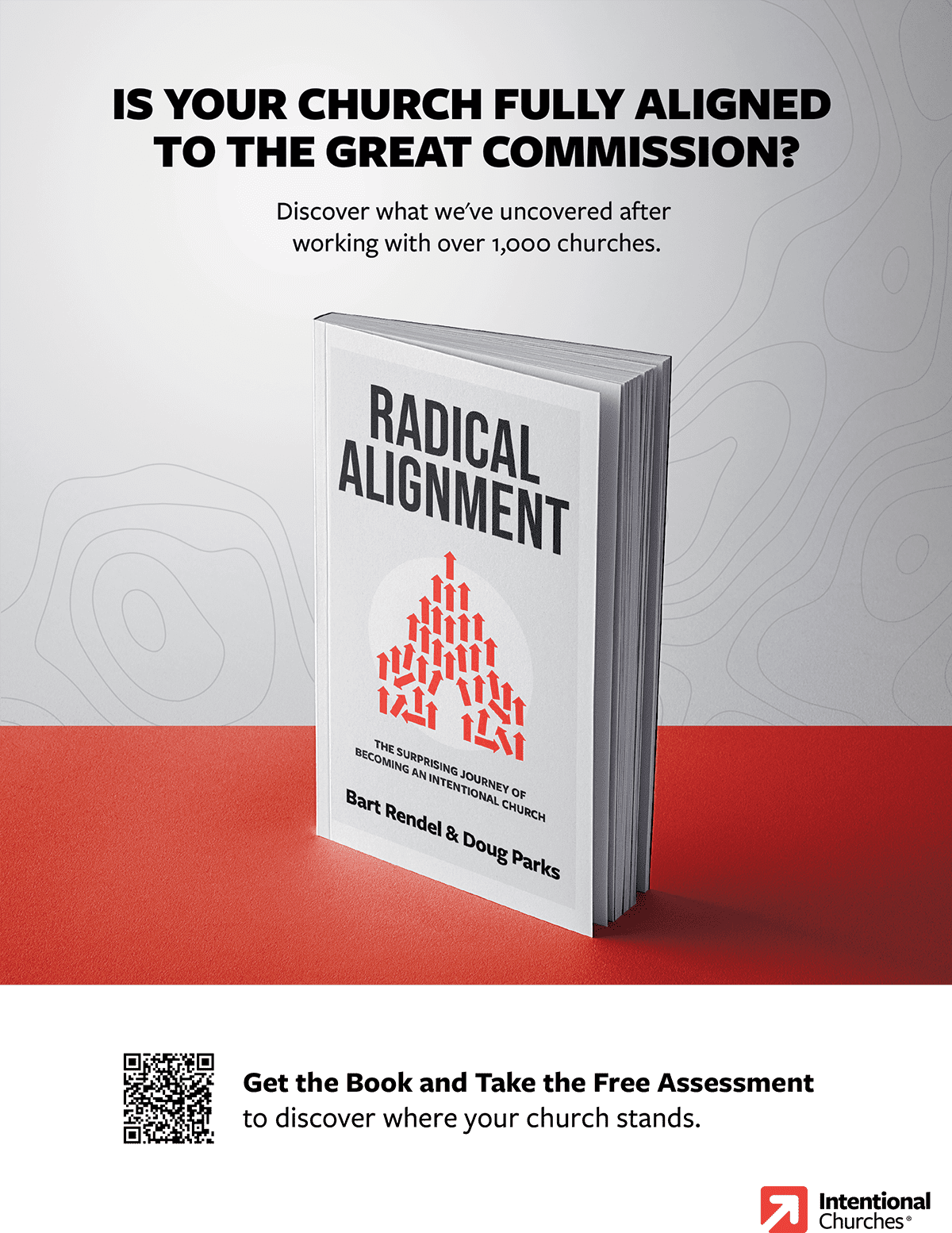
I’ve spent about one-and-a-half years in Las Vegas, Nevada, not as a resident, but through meetings and interactions I’ve had with churches there. I know of three churches in that area that have done extremely well in helping their people navigate the issues of finance and stewardship. I want to highlight one of those churches, Canyon Ridge. They were working with us at Financial Planning Ministry to accomplish estate planning for their people. I had been encouraging Doug Parks and Kevin Odor, two of the church’s leaders, to do something with Financial Peace University to teach their people about money. They responded enthusiastically. Kevin required every staff member to lead a group. The results were amazing.
The great recession began soon after this. At one point, many people in Las Vegas owned one house to live in and two to flip. Prices were going up $50,000 in 90 days. Then the bottom fell out. A year later I met a second time with people from the Canyon ridge church. Some of them had lost all three of their houses but survived. The church remained stable financially because they embraced the right teaching at the right time. During that period they launched a building project that more than doubled their seating and watched attendance fill up the newly-created space.
Financial Accountability
The last area dealing with money is fiscal security and accountability. Many churches, missions organizations, and Bible colleges and universities do well here. They have well defined systems, procedures, by-laws, audits, and checks and balances. Unfortunately, even these faith-based organizations can be guilty of financial mismanagement. Thankfully, much counsel and help are available here. All the systems and guidelines are useless if they are not enforced and audited. This is the role of leadership and cannot be abdicated. Those who support ministries financially want to know that the resources they share are being used wisely and with integrity. Many have found annual reports to be helpful.
The Evangelical Council for Financial Accountability (www.ecfa.org) has become the gold standard in this area, vetting and certifying ministries for ethical financial management. The EFCA logo can then be displayed by the member organization to show it meets EFCA standards. Wise donors look for these types of certifications or ask to see an IRS Form 990. The seven standards of responsible stewardship are: (1) Doctrinal Issues, (2) Governance, (3) Financial Oversight, (4) Use of Resources and Compliance with Laws, (5) Transparency, (6) Compensation-Setting and Related-Party Transactions, and (7) Truthfulness in Communications. Organizations can use these seven areas for guidance while they contemplate applying for membership.

Author: Dick Hess
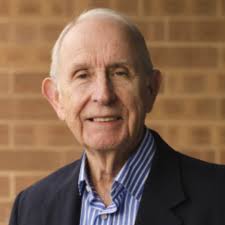
Dick Hess is a retired Marine Corps Officer, who has owned a Chick-fil-A Business, served as the Director of Enrollment Management and Planned Giving at Cincinnati Christian University, and as Stewardship Pastor and Executive Pastor at Eastside Christian Church in Milford, Ohio. He holds degrees from Southern Illinois University, University of Southern California, and George Washington University, and is currently on the board of Milford Miami Ministry and Milford Schools Foundation.