Dispelling the Myths
Bill Tennison challenges common myths about senior adult ministry, showing how older adults can serve meaningfully and how life transitions create opportunities for evangelism.

Rethinking Senior Adult Ministry
Bill Tennison challenges two common myths about older adults in the church: that seniors no longer want to serve and that people do not come to Christ in later life. He argues that adults over 50 remain eager for meaningful ministry and that life transitions can create important opportunities for evangelism.
- Senior adults often want to contribute meaningfully to the life of the church.
- Major life transitions can make older adults more receptive to the gospel.
- Churches should seek ways for seniors to minister, not only be ministered to.
Want to be effective in your ministry with adults over 50? Then get rid of these commonly held myths about older adults.
Seniors Want to Participate in the Life of the Church
Seniors think they have “done their time” and don’t want to participate in the life of the church.
“It’s a myth that senior adults no longer want to contribute,” wrote David P. Gallagher in Senior Adult Ministry in the 21st Century: Step-By-Step Strategies for Reaching People Over 50. “It’s equally untrue that senior adults don’t want to be actively involved. Senior adults do want to be involved.”
In a 2006 AARP survey of baby boomers turning 60, 47 percent said they wanted to do more volunteering in the future, and 72 percent planned to spend more time on interests and hobbies. The church is going to have a growing and continual supply of volunteers if these aging boomers are effectively challenged and recruited.
Brad Auten is chaplain with the Fellowship Square division at Christian Care in Phoenix, Arizona, where the average age is 86. He said people 55 and older are marginalized in society.
This is seen even in our churches as “senior ministry” becomes a desire to “minister to them” and a maintenance program for people in their “declining years.”
“We need to seek avenues that allow them to minister to us,” Auten said.
Seniors and younger generations are motivated by the same thing: the opportunity to invest themselves in meaningful ministry. In order for seniors to carry out their biblical imperatives to teach the younger generations, the younger generation needs to be willing to listen.
Older Adults Can Be Open to the Gospel
People don’t come to Christ in their old age.
Statistically, most people accept Christ before age 18. However, it is also true that people are more receptive to the gospel message during life’s difficult trials. When traditional points of reference are gone, people tend to be open to other changes—including the gospel.
The Holy Spirit often uses dramatic events to move people from resistance or indifference to receptivity to the gospel. This presents a tremendous opportunity to plan ministry around these major transition events.
Auten explains that the most repeated issue he faces with seniors living at Fellowship Square is the same issue that plagues teenagers: an identity crisis.
Teenagers are trying to sort out what God’s purpose is for their life: What should I do? Where should I live? Who should I marry? Should I go to school? Why am I here?
Seniors also are trying to sort out God’s purpose, and they ask almost the same questions: What should I do? Where should I live? Why am I facing this trial? Why am I still here?
Teenagers face these questions as they lose the familiar structure of their family home. Seniors face these questions as they lose all that has brought them familiarity and stability during their adult lives.
Typical situations for seniors include a loss of identity, loss of spouse, loss of driving ability, and loss of hearing, eyesight, mobility, and friends and family members. To compound the identity crisis, many of these events occur simultaneously.
Therefore, the abundance of transitions occurring in the lives of senior adults offers a unique opportunity for evangelism.
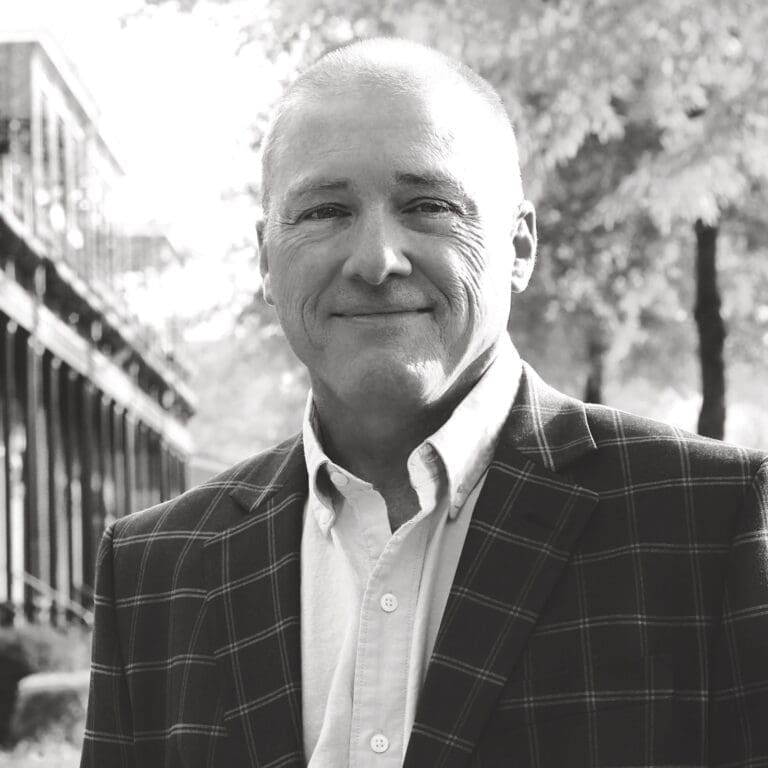
Bill Tennison is development director for Christian Care Foundation (www.ChristianCare.org), Phoenix, Arizona.

Author: Bill Tennison
Sponsored

For 160 years Christian Standard has served the churches of the Restoration Movement. Your gift keeps articles like this one free for every church leader.
Sponsored

Keep reading
More in Church & Ministry



From the archive
Christian Standard has covered this since 1866.