October 22, 2026
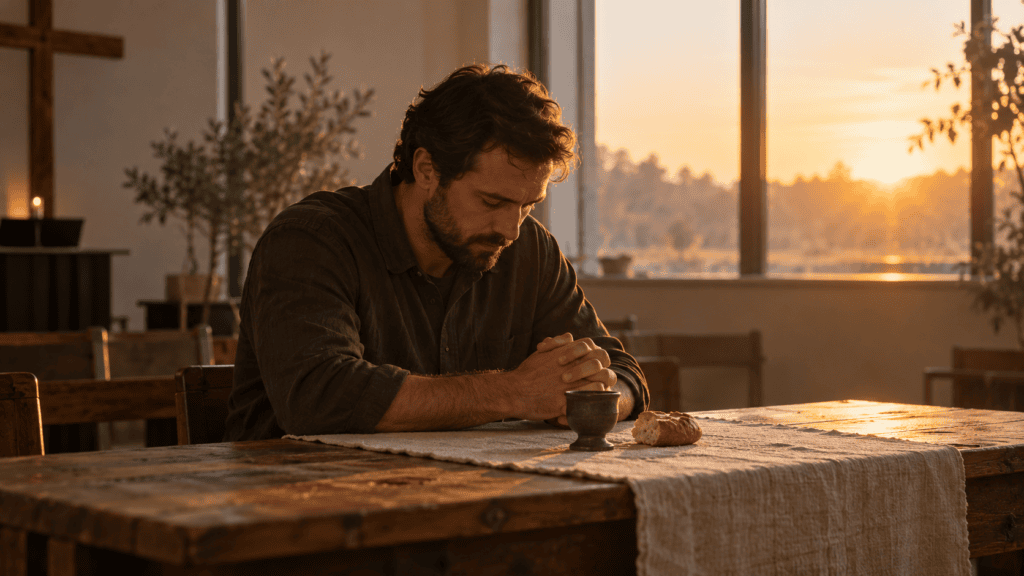
Setting Our Hearts
Doug Redford
Restoration Movement ministries, missions, colleges and organizations.
2 organizations
 CohortsConnections Recovery NetworkConnections Recovery Network equips churches to develop Jesus-centered recovery ministries through launch resources, Scripture-based curriculum, leadership…
Connections Recovery Network — Organization Profile Connections Recovery Network (CRN) is a Christian recovery-ministry network that equips local churches to launch and sustain recovery ministries centered on discipleship, relationships, and Jesus. The network grew out of the recovery ministry at…
Connections Recovery Network — Organization Profile Connections Recovery Network (CRN) is a Christian recovery-ministry network that equips local churches to launch and sustain recovery ministries centered on discipleship, relationships, and Jesus. The network grew out of the recovery ministry at Mt. Gilead Church in Mooresville, Indiana, where church leaders developed a ministry culture for walking alongside people affected by addiction and supporting their movement toward recovery and spiritual growth. CRN takes that experience and shares it with other congregations through a church-to-church, practitioner-to-practitioner model. Rather than asking participating congregations to adopt a centrally controlled or franchised ministry, CRN emphasizes local church ownership of recovery ministry. Its approach is built around ten distinctives: Jesus Is Our Solution, Grace Over Shame, Truth…
Connections Recovery Network (CRN) is a Christian recovery-ministry network that equips local churches to launch and sustain recovery ministries centered on discipleship, relationships, and Jesus. The network grew out of the recovery ministry at Mt. Gilead Church in Mooresville, Indiana, where church leaders developed a ministry culture for walking alongside people affected by addiction and supporting their movement toward recovery and spiritual growth. CRN takes that experience and shares it with other congregations through a church-to-church, practitioner-to-practitioner model.
Rather than asking participating congregations to adopt a centrally controlled or franchised ministry, CRN emphasizes local church ownership of recovery ministry. Its approach is built around ten distinctives: Jesus Is Our Solution, Grace Over Shame, Truth With Love, Authenticity Over Image, Progress Not Perfection, Community Is Essential, Confidentiality Builds Trust, Servant Leadership, Multiplication Matters, and Hope Is Louder. Together, these principles shape how participating churches develop groups, train leaders, create environments for honest relationships, and connect recovery with Christian discipleship.
Connections Recovery Network serves churches seeking to establish or strengthen recovery ministry in their own communities. Its model was developed in Mooresville, Indiana, but the network is designed for churches beyond that local setting and states that churches of different sizes can participate. CRN says it partners with churches that identify Jesus as Lord and are serious about recovery, while emphasizing unity rather than requiring every participating congregation to operate identically. The goal is to help churches develop ministry that fits their community while retaining the network's core recovery and discipleship culture.
Churches joining the network receive several practical resources. CRN provides a 90-Day Launch Resource that covers steps from recruiting leaders through holding an initial recovery meeting. Participating churches also receive one year of Scripture-based meeting curriculum organized around themes including identity, inventory, community, and freedom. A further component is one year of leadership development and coaching, designed to help churches develop healthy recovery-ministry leaders who can eventually train and support others. CRN describes its approach as practitioner-led, meaning churches learn from people with experience operating recovery ministry rather than primarily from outside consultants.
The process for churches begins by contacting Connections Recovery Network and explaining their congregation's current situation and interest in recovery ministry. A CRN practitioner then schedules a conversation to learn about the church, answer questions, and determine whether the network is an appropriate fit. Churches that move forward as Founding Churches begin using the launch resources, curriculum, coaching, and practitioner community. Through this process, CRN seeks to help congregations create relational, reproducible recovery ministries that connect recovery with ongoing discipleship in Jesus.
Leadership: Not publicly listed.
 Independent Christian ChurchBLOC MinistriesBLOC Ministries serves neighborhoods in Cincinnati, Knoxville, and Louisville through relational ministry, youth programs, recovery support,…
BLOC Ministries — Organization Profile BLOC Ministries is a Christian nonprofit organization based in Cincinnati, Ohio, focused on neighborhood-based ministry, relationship building, and practical support for vulnerable students, adults, and families. The organization states its mission as “building relationships with…
BLOC Ministries — Organization Profile BLOC Ministries is a Christian nonprofit organization based in Cincinnati, Ohio, focused on neighborhood-based ministry, relationship building, and practical support for vulnerable students, adults, and families. The organization states its mission as “building relationships with our neighbors and sharing hope in brokenness.” BLOC was started in 1998 by Dwight and Stephanie Young after years of youth ministry work among students and adults facing broken neighborhoods, limited support systems, and barriers to stability. The ministry serves communities in Cincinnati, Ohio; Knoxville, Tennessee; and Louisville, Kentucky, with a strong emphasis on staff living in the neighborhoods where they serve. BLOC’s public materials describe the ministry as creating connections and safe spaces for students, families, and adults to…
BLOC Ministries is a Christian nonprofit organization based in Cincinnati, Ohio, focused on neighborhood-based ministry, relationship building, and practical support for vulnerable students, adults, and families. The organization states its mission as “building relationships with our neighbors and sharing hope in brokenness.” BLOC was started in 1998 by Dwight and Stephanie Young after years of youth ministry work among students and adults facing broken neighborhoods, limited support systems, and barriers to stability.
The ministry serves communities in Cincinnati, Ohio; Knoxville, Tennessee; and Louisville, Kentucky, with a strong emphasis on staff living in the neighborhoods where they serve. BLOC’s public materials describe the ministry as creating connections and safe spaces for students, families, and adults to thrive in difficult circumstances. Its work includes programs for youth, men, women, families, immigrants, people affected by addiction or trafficking, and neighbors needing food, housing support, job training, mentoring, and spiritual care.
BLOC operates through several ministry pillars: women’s ministry, men’s ministry, student ministry, community ministry, and job training. Its women’s ministry includes Weightless Anchor, Redeemed Home, and jail ministry for women impacted by addiction, homelessness, incarceration, and survival sex. Its student ministry includes mentoring, tutoring, character-building, sports, after-school programs, and residential support. The organization also describes community programs such as Side by Side, For His Glory Food Pantry, Farm to Table, Horses on the Hill, and the Ola Immigrant Welcome Center.
A distinctive part of BLOC’s model is living where it serves and building long-term, personal relationships rather than operating only as a service provider. The organization says its staff live and raise their families alongside the people they serve, and many staff members raise support in a missionary-style model. BLOC has also developed job-training businesses and programs designed to help hard-to-employ teens and adults learn practical skills, gain work experience, and move toward stability.
BLOC’s impact pages describe work that includes serving women through a day shelter, providing food through For His Glory Food Pantry, training students through the Teaching Kitchen, offering healthy food access through Farm to Table, assisting immigrant families through the Ola Immigrant Welcome Center, and providing equine-assisted learning through Horses on the Hill. These programs combine practical care with mentoring, recovery support, education, and relational ministry.
People can engage with BLOC Ministries by volunteering, joining a mission team, applying for staff roles, giving to the general fund, supporting specific programs, donating through its online giving platform, or contacting the organization about local involvement. Churches, schools, groups, and individuals can also participate through BLOC Missions, which provides short-term service experiences in Cincinnati’s Price Hill community.

Learn how to turn the sermons you’re already preaching into searchable, shareable content that helps people discover and connect with your local church. Access Be Seen, Be Heard on demand with Wes Woodell and Trey Sheneman. A two hour course for preachers, church media and website teams, and anyone who wants to help their church reach more people online.
October 22, 2026
Doug Redford

October 20, 2026
Douglas A. Spears

October 20, 2026
Eric Bingaman