June 24, 2024
This Is Where It Happens
The very core of Christianity is the death, burial, and resurrection of Jesus. . . .
June 24, 2024
The very core of Christianity is the death, burial, and resurrection of Jesus. . . .
April 10, 2023
We are to remember that our sins are forgiven because Jesus died on the cross, was buried, and then rose alive on the third day.
November 7, 2022
By Lee Magness Many of us call the meal “the Lord’s Supper” (1 Corinthians 11:20), but the Greek word translated “Lord’s” is not a possessive noun, but a descriptive adjective. Although the meal does belong to the Lord (Jesus inaugurated the meal, is present in the meal, presides at the meal, etc.), Paul was emphasizing that the meal is characterized by the Lord. It is the Lordly Supper. In every way it is focused on him—past, present, and future. The meal is a remembrance of Jesus past, not just a memorial of the meal he instituted, but a recollection of
October 31, 2022
How do you respond when you face difficulties, dangers, or disease? What would you do if you were “canceled” or faced persecution because of your faith in Jesus?
July 18, 2022
Some families still gather around the dinner table at the end of a long, hard day to break bread together. It’s a place to talk, laugh, and cry. In much the same way, Jesus gathered with his disciples around a table at the Last Supper. . . .
October 18, 2021
Every time he heard a rooster crow, did Peter choose to be reminded, “I messed up, but I am forgiven”?
May 10, 2021

Look through Mary’s eyes at the bread and the cup. Listen to Mary’s voice as you thank God for paying the price for our sins. This was Mary’s testimony about God’s Son: “Do whatever he tells you.”
March 29, 2021
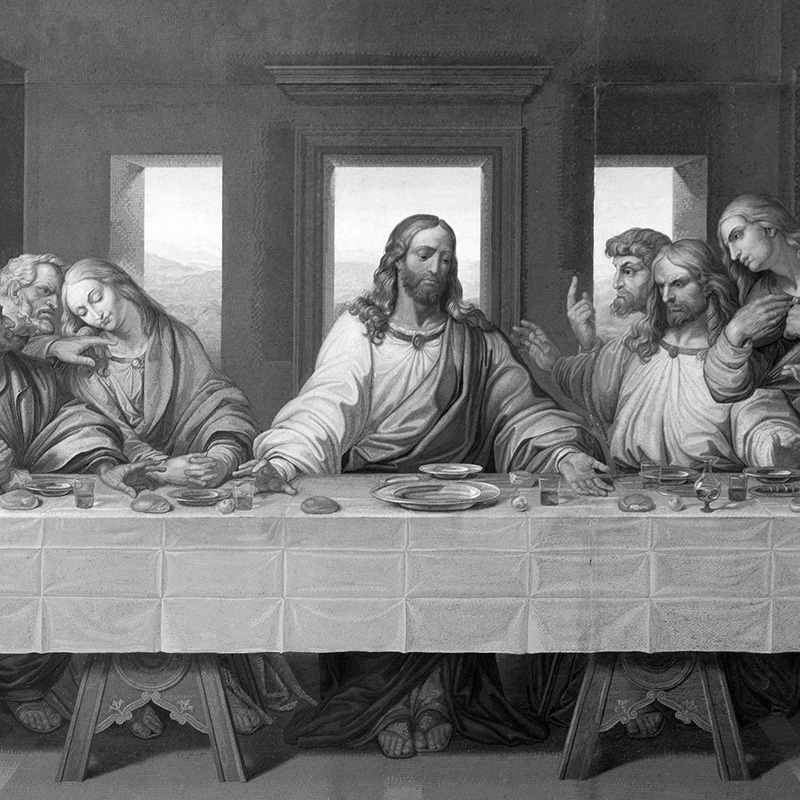
We don’t have to fear death any more than a seed needs to fear being planted.
February 15, 2021
By Scott Franks In your relationships with one another, have the same mindset as Christ Jesus:Who, being in very nature God, did not consider equality with Godsomething to be used to his own advantage;rather, he made himself nothing by taking the very nature of a servant, being made in human likeness.And being found in appearance as a man, he humbled himself by becoming obedient to death— even death on a cross! (Philippians 2:5-8). In other words, God submitted himself to us! Christ died because it was necessary for us to live. Christ’s incomprehensible journey from the glory of Heaven to
December 7, 2020

By Stuart Powell Note: This is week three of a four-week series of Communion meditations in which we consider essential features to the story of the birth of God’s Son. This week we focus on the shepherds. Luke recorded surprisingly few details of what occurred in the stable on the day of Jesus’ birth. We might boil them down to these: Jesus was born, a feed trough was used as a cradle, and some excited shepherds arrived. There are many reasons why we wouldn’t put either of the latter two incidents in a story about God’s Son. We could use
October 26, 2020

By Stuart Powell What do you do before you see a doctor? Most people simply sit and wait. Many idly leaf through old magazines or survey their surroundings to pass the time. Have you ever pictured the Christian life this way? I hope not, because the Christian life most definitely is not a waiting room. Paul explained the life of grace to Titus using these dynamic words: For the grace of God has appeared, bringing salvation for all people, training us to renounce ungodliness and worldly passions, and to live self-controlled, upright, and godly lives in the present age, waiting
August 10, 2020

By Stuart Powell John 8 tells of an unnamed woman caught in adultery. The Jewish leaders presented the woman to Jesus and asked what he considered an appropriate punishment. There is little doubt the teachers of the law and Pharisees had already condemned this sinner. By presenting her before Jesus, they sought to expose how his compassion stood at odds with the Law of Moses. Without realizing it, they brought the guilty one before God’s anointed judge of all mankind. Jesus spoke first to the accusers by confronting them with the universal human condition of sin. He allowed that shame
June 1, 2020
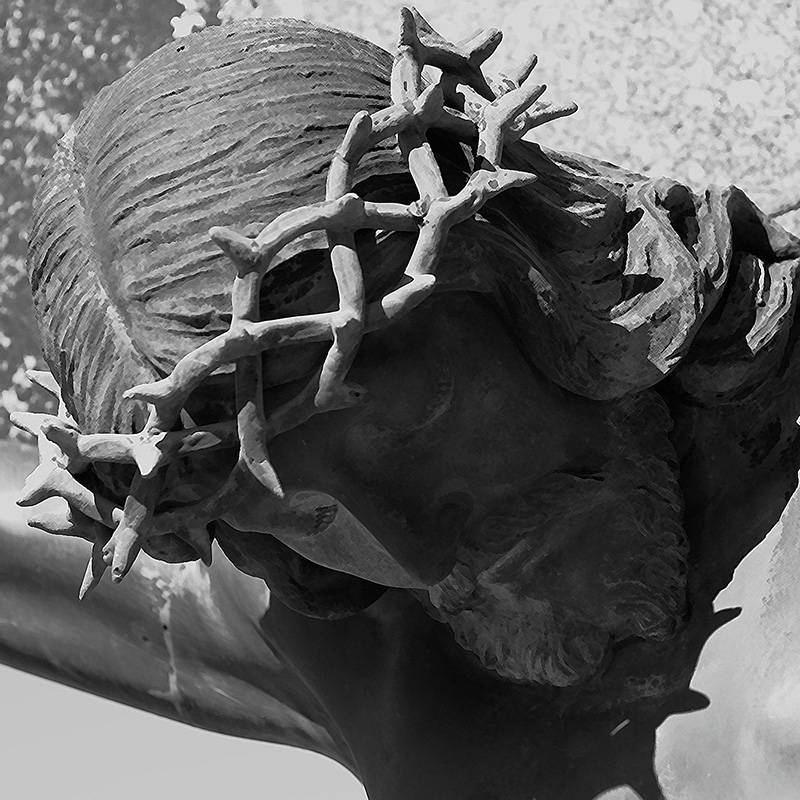
By Stuart Powell Julius Caesar led his Roman troops to victory at the battle of Zela in 47 BC in what is now northern Turkey. Details of the battle are relegated to history scholars and trivia buffs. Those accounts tell of a complete and rapid victory. A well-known Latin declaration of triumph is attributed to the conqueror: “Veni, vidi, vici.” In English that translates to, “I came; I saw; I conquered.” We can write these words off as the excessive boasting of an arrogant warlord who died centuries ago. But as believers, we can reapply this proclamation of victory to
March 23, 2020

By Michael C. Mack If you were to look up the word communion in a dictionary, you’d see it defined as “intimate fellowship or rapport.” It comes from the same word as community or communication or communal. Under normal circumstances, this is a communal experience. So, how do we accomplish this aspect of Communion in a time of social distancing? First, we should remember that social distancing does not mean social isolation. For now, we are wise not to get together in large gatherings, but we can still find ways to love one another, carry each other’s burdens, encourage one
February 18, 2020

By Stuart Powell Many people see wooden fences as a nice accent in a rustic setting. Ranchers may use them to contain their livestock. But there is a problem with wooden fences: they are temporary. Rot-resistant wood can be selected and treated with all sorts of chemical preservatives but, in the end, the rails will begin to break and the posts will start to lean. If the fence is not maintained, it is only a matter of time before it falls to the ground in uselessness and decay. It’s the same way with every work that mankind attempts. Our work
February 4, 2020

By Michael C. Mack Want to really impress your Valentine’s date this Friday? Explain to your sweetheart that what we now know as Valentine’s Day was first celebrated in AD 496 by the Romans. They called it Lupercalia; it was held in the middle of February, which apparently was the beginning of their springtime. The tradition, it’s said, was that boys would draw the names of girls from a box, and they’d be boyfriend and girlfriend throughout the festival. Sometimes they’d even get married. The system was probably more successful than most modern dating apps! Our tradition these days
April 25, 2019

From After Class Podcast A kerfuffle at First Church of Christ these last few months shows no signs of abating. During a study on Communion in the early church, the congregation learned that first-century Christians took Communion as part of a community meal at their regular gatherings. First Church, which is committed to restoring the New Testament pattern of worship, now has a potluck each Sunday after church. At about the midpoint of the meal, participants pause to remember the body and blood of Christ by sharing broken bread and the fruit of the vine. Though it has been well
January 8, 2019

By Ronald G. Davis Old Doc Richardson, of my Appalachian hometown, kept a human skeleton on display in his office. Carefully wired together and suspended from a metal stand, that skeleton clinked and clanked at the slightest touch of my small-child hand. It was eerie. It was also obvious to my unsophisticated mind: Whoever’s bones these were would never come to life again. Those bones were dead and dry. In Ezekiel 37, when God led Ezekiel back and forth across a field filled with bones, he asked the prophet a simple question: “Son of man, can these bones live?” Now
January 11, 2018
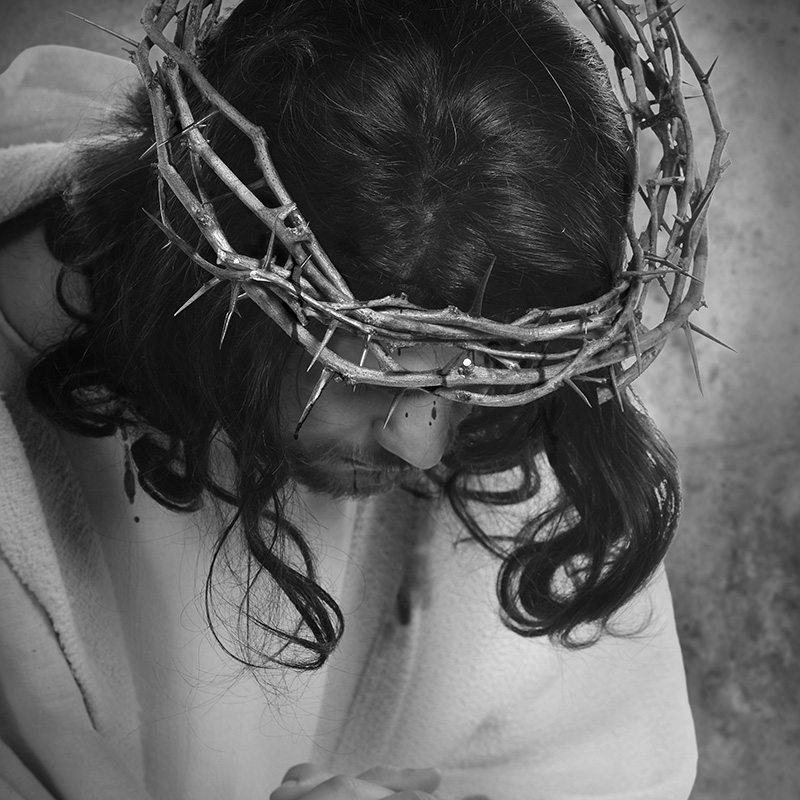
By Jim Nieman Jesus fulfilled Old Testament prophecy concerning the Messiah, so why did most leading Jewish religious leaders and scholars of his day reject Jesus, plot to kill him, and coerce and influence the Roman occupiers into crucifying him? In part, it’s because Jesus—though he performed many impressive miracles, and taught lessons and made claims like no one else—was just too ordinary. Jewish leaders had a preconceived notion of what the Messiah would be and what he would do: he would be a mighty warrior and earthly king; he would overthrow the oppressors and establish an earthly kingdom. And

April 7, 2026
John B. Penrose Jr

April 7, 2026
David Faust
March 27, 2026
Rick Cherok