
October 22, 2026
Setting Our Hearts
Doug Redford
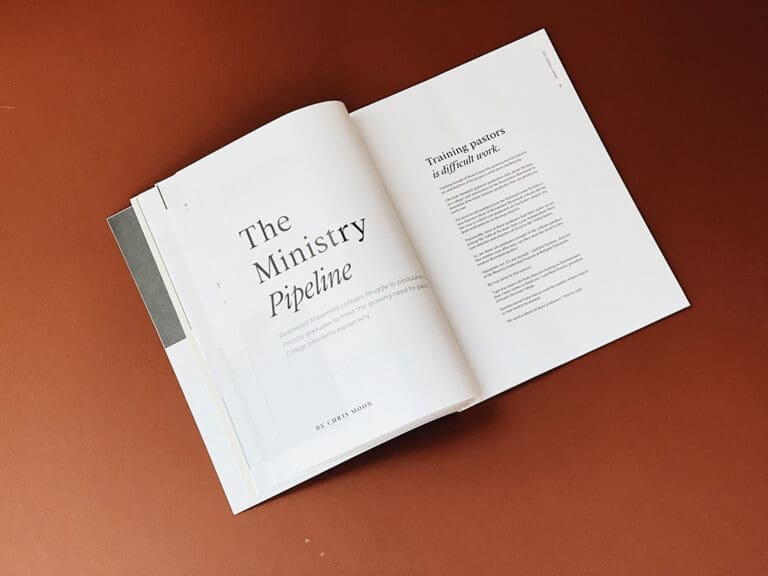
Restoration Movement colleges struggle to produce enough ministry graduates to meet the growing need for pastors. College presidents explain why.

Six graduate-level schools share how they support nontraditional students who feel called to leave a chosen career and enter full-time church service, offering guidance for leaders considering a…

Hope International University’s SALT program partners with local churches to create flexible, accredited five-week online courses. Churches request training topics, Hope designs the course, and an on-site mentor…

Emmanuel School of Religion is expanding flexible training for second-career ministry students through new institute-based programs, digitally captured seminars, church-based education around the world, and developing online and…

Lincoln Christian Seminary’s 2007 incoming class reflects growing diversity in age and vocational background. Paul Boatman explains how LCS is adapting with flexible scheduling, updated degree paths, and…

Learn how to turn the sermons you’re already preaching into searchable, shareable content that helps people discover and connect with your local church. Access Be Seen, Be Heard on demand with Wes Woodell and Trey Sheneman. A two hour course for preachers, church media and website teams, and anyone who wants to help their church reach more people online.
October 22, 2026
Doug Redford

October 20, 2026
Douglas A. Spears

October 20, 2026
Eric Bingaman