By Michael C. Mack
One way to know you have an intimate relationship with the Father is when you hear and recognize his voice (John 10:1-5).
The only way to do that is to spend time alone with him. But that”s not easy in our fast-paced lives. In ministry we tend to spend a lot of time with other people in community, and that”s good! But as Dietrich Bonhoeffer said, solitude and community go hand in hand for spiritually healthy people. Jesus modeled this for us. Luke 5:16 says, “Jesus often withdrew [from crowds of people] to lonely places and prayed.”
 Spending time with God won”t just happen. Use these questions to help you plan your getaway with God:
How often will I get away alone with God? (Weekly, monthly, quarterly?)
How long will I spend alone with God?
When will I get away to be alone with God? (Be specific! Put it on your calendar.)
Where will I go? Consider a state or local park or some other place you can find seclusion. Do you know someone who owns a cabin? Ask if you can use it. Hike or ride a bike to an isolated location.
What else should I consider (for instance, asking permission, child care, financial arrangements, a place to stay)?
What should I take with me? (Here are a few ideas: your Bible, a small notepad and pen, some water and light snacks.)
Do not take any other books, an iPod or similar device, or any other recreational gadgets. Do take your cell phone, just in case of an emergency, but turn off the ringer and hide it away in a backpack.
Times away from your normal routine can be refreshing to your soul, can remind you of the calling God has placed on your life, and will revive you for the ministry God has called you to. More than anything else, during these times you will sense God”s presence and power and realize he really is both pursuing and leading you.
Michael Mack is the author of 16 small group books and discussion guides, including I”m a Leader . . . Now What?(Standard Publishing). He also leads church training events and consults with churches through his ministry, Small Group Leadership (www.smallgroupleadership.com). You can email suggestions for his Best Practices column tomi**@******************ip.com.

Author: Michael C. Mack
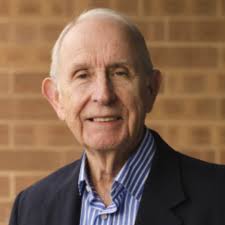
Michael C. Mack is editor of Christian Standard. He has served in churches in Ohio, Indiana, Idaho, and Kentucky. He has written more than 25 books and discussion guides as well as hundreds of magazine, newspaper, and web-based articles.