Articles for tag: Barney Wells

THE BIG CHALLENGE FACING SMALL CHURCHES (7): Build a Legacy

By Barney Wells “In this part of the country, there’s a Christian church every five miles, and three in between,” quipped the minister, who had served small-town congregations in the Midwest for decades. Though an overstatement, it does point to a challenge for the rural church. Many rural churches were planted in the days before automobiles and good roads, when the population density of the rural countryside was much greater and you could travel only a few miles in 30 minutes. Back then, more schools, stores, and churches were needed. Over the years, schools have consolidated and stores have closed,
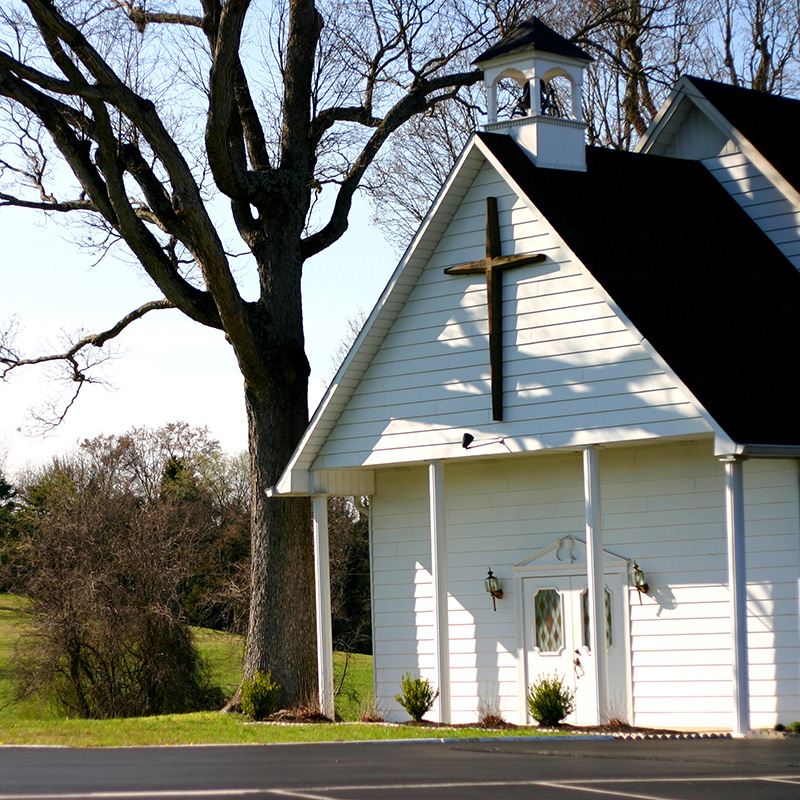
THE BIG CHALLENGE FACING SMALL CHURCHES (2): Rural Churches

By Clark Bates We received a friendly welcome when we entered the Christian church in Beaver City, a small town in rural Nebraska. The service that morning was upbeat, the prayers sincere, and the preaching biblical . . . but where were the people? The sanctuary was large enough to accommodate 150, but that morning only 25 people huddled into one section of pews. After the service, my wife and I spoke with Treg and Beth about the challenges facing the congregation. They shared about the decreasing population of the area, explaining that young people move away for college and

Overcoming the Challenges of Rural Ministry

By Justin Horey Imagine you live a half hour from the nearest pizza place, and no one delivers. That”s not the premise for a new reality television show. It”s how Dr. Barney Wells, graduate academic dean and associate professor of Bible and ministry at Lincoln (Illinois) Christian University, playfully defines “rural communities” for his undergraduate students. Although millions of Americans live in rural communities, small-town people are often overlooked and misunderstood by sociologists and economists more focused on serving larger population centers. Likewise, few have studied or analyzed what it takes to succeed and thrive as a ministry in a

January 16, 2015

Christian Standard

A Healthy Church Nourishes Fellowship

By Barney Wells From the tiniest white-frame rural chapel to the largest of megachurch campuses, church buildings seem to have two rooms in common. One is called the auditorium, sanctuary, or worship center””it is where the gospel message is proclaimed weekly through sermon, song, the Lord”s Supper, and prayer. The other room is the fellowship hall. Whether found in a dank basement room with a low ceiling or a cavernous gymnasium-like structure, the ubiquitous presence of the fellowship hall testifies to the importance of a place for fellowship. Fellowship in the Bible refers to a common task and common concern

“˜Do Unto Others”

By Barney Wells After four decades of church leadership as a minister, elder, and lately as a church consultant, I have come to see the importance of a simple rule that is too often overlooked. But if it were followed, it would make life for elders, church staff, and congregations more harmonious. And very likely it would lead the watching world to take a higher view of the church. That rule is twice mentioned in Scripture (Matthew 7:12 and Luke 6:31), children memorize it in Sunday school, and it is stamped on pencils and cross-stitched on samplers. We call it

Conflict: Apt Words, Adequate Intervention

By Barney Wells In the middle of the 20th century, the United States Department of Agriculture undertook one of the grandest efforts at mass change ever attempted. It set out to convince the nation”s corn farmers to switch from planting open-pollinated corn to hybrid seed corn. To accomplish this task it trained an army of “county agents” and sent them into corn-producing counties. These county agents had been trained to know all the benefits of hybrid seed and effective methods for growing the corn. They could explain every reason a farmer should switch, but just by talking they could convince

September 30, 2007

Christian Standard

How to Resolve Conflict

By Barney Wells If you work well at preventing conflict, you won”t need to intervene often, and if you intervene promptly, resolution will naturally follow””most of the time. Most church members really do not want conflict in their lives or in the church, and given a little help and encouragement will resolve their conflicts in short order. Now and then, however, amicable resolution doesn”t come. Then the leaders must take a different kind of action. Matthew 18:17 shows that some conflicts must be addressed by the leadership churchwide, and sometimes individuals must be allowed, or even required, to leave. Earlier

Change Is

By Mark A. Taylor Tom Ellsworth talked about change at the Energizing Smaller Churches Network (ESCN) Conference in Moberly, Missouri. “Preachers have a way of pondering an idea for months,” he said, “and then getting upset when the church board doesn’t go for it in just one meeting.” The better course is to talk and listen for a long time before trying to implement a new idea or a different way of doing things. “Leaders need time to make an idea their own,” Tom observed. The same is true for the rest of the congregation. Accomplishing this is a fine

Secret Link