December 9, 2025

Restore & Renew: Preserving the Legacy of Alexander Campbell
A major new initiative is underway to preserve one of the most significant collections in the Stone-Campbell Restoration Movement: The Alexander Campbell Papers.
December 9, 2025
A major new initiative is underway to preserve one of the most significant collections in the Stone-Campbell Restoration Movement: The Alexander Campbell Papers.
July 1, 2024
While working on a research project for a seminary degree, I visited Bethany, West Virginia, home of Bethany College. My stay began with a tour of the Alexander Campbell's home. . . .
April 27, 2023

James A. Stevens, who ran newspapers in Mississippi and Texas after the Civil War, shares brief recollections of Alexander Campbell, Tolbert Fanning, W. K. Pendleton, Thos. W. Caskey, and others.
March 17, 2021

Kentucky Christian University plans to host a celebration at Cane Ridge (near Paris, Ky.) on the 220th anniversary of the Cane Ridge Revival this August.
November 12, 2020

I spoke with a former Christian college professor a couple of times in the past few weeks. John L. Morrison is a pleasant gentleman enjoying retirement in California. Through the years, he taught at San Jose Bible College (now William Jessup University), Milligan College (now Milligan University), and Puget Sound College of the Bible (now closed). I can’t recall Mr. Morrison’s exact age, but it’s in the neighborhood of 90. Mr. Morrison told me he had written for Christian Standard a number of times. I became curious and checked into this. Sure enough, I found articles by him from the
March 11, 2020
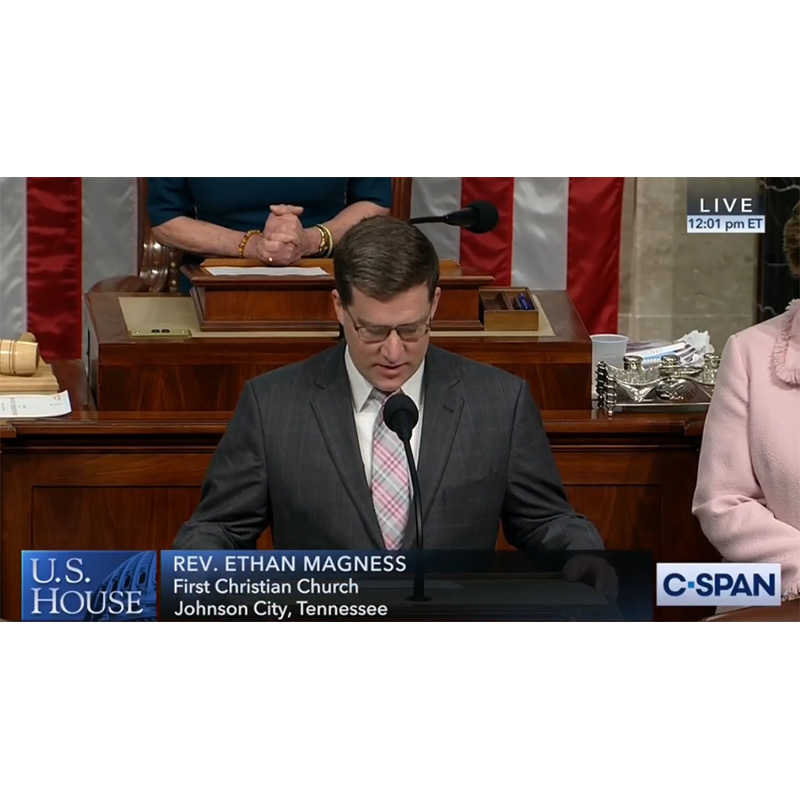
Ethan Magness, senior minister with First Christian Church in Johnson City, Tenn., gave the opening prayer on March 4 in the U.S. House of Representatives, WJHL.com reported. Magness’s prayer is available at YouTube. U.S. Rep. Phil Roe (R-Tenn.), who hosted Magness at the Capitol, called Magness “a great religious leader in our community.” “It was great to have him here in Washington to share the word of God this morning,” Roe said in a statement. _ _ _ Point University has named a music lab in its fine arts building for a local man who has donated 16 pianos to
August 1, 2019
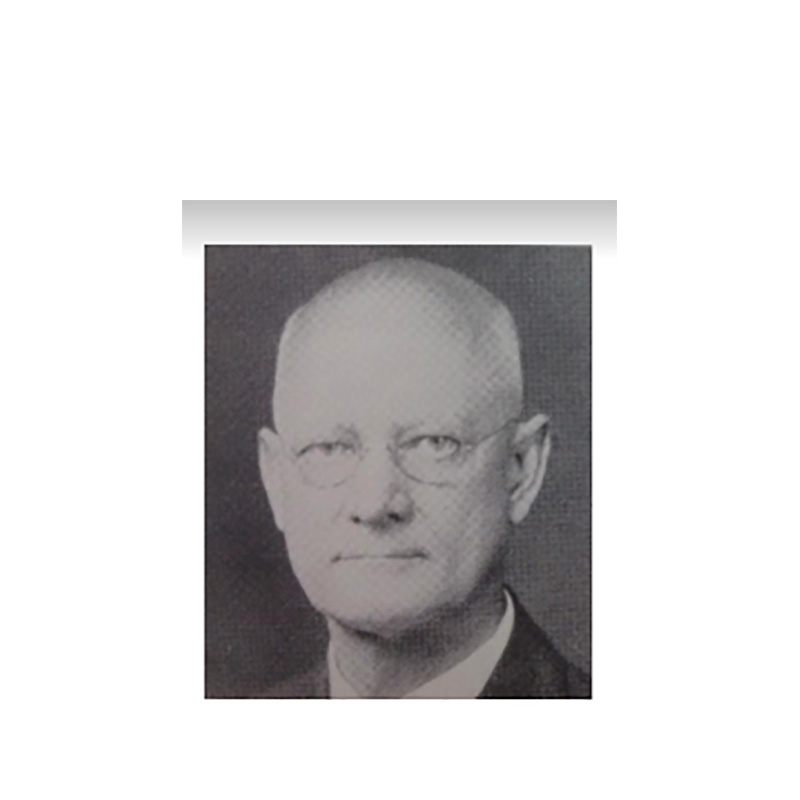
Most Christian church folks today probably have never heard of W. R. Walker. That’s understandable, since he died 56 years ago. Still, many would recognize the name of his schoolmate P. H. Welshimer, who ministered with First Christian Church in Canton, Ohio, for several decades. Walker and Welshimer were longtime friends, as you’ll see in this obituary/remembrance published a few weeks after Walker’s death on Feb. 2, 1963. During his lifetime, this article noted, Walker was known for his “incisive logic,” his “clear presentations of Bible doctrine,” and for his firm grasp of New Testament faith and doctrine. _ _
May 23, 2019
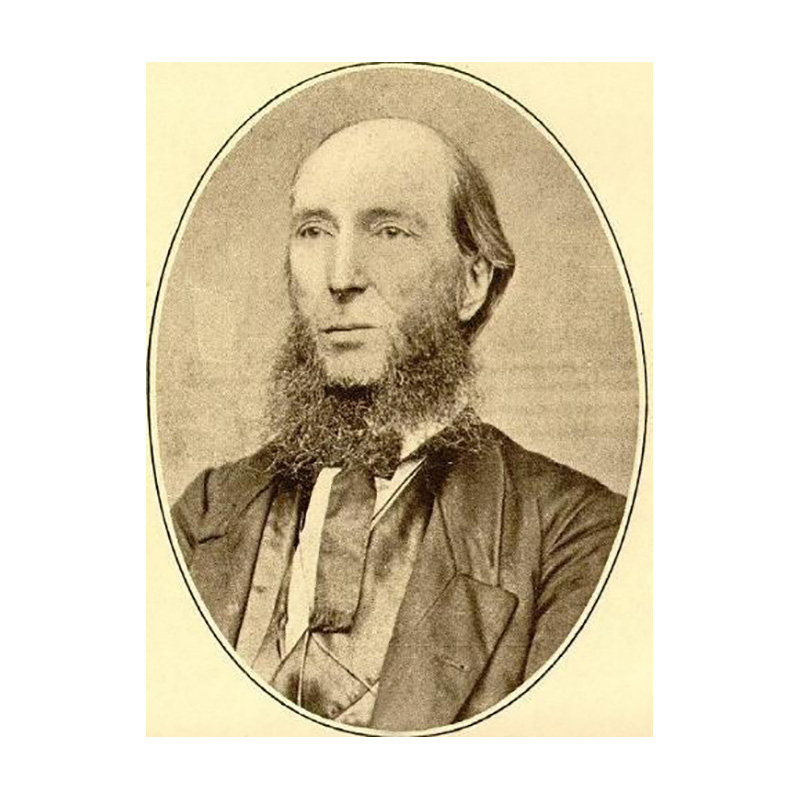
This biographical sketch of Dr. Robert Richardson (1806-76)—compiler of the “Memoirs of Alexander Campbell,” among other contributions during the first century of the Restoration Movement—will serve as the May installment of our monthly series of excerpts from Christian Standard, circa 1909. In that year, the magazine devoted one issue each month to articles of particular interest to our movement. We’ll change it up this month by also providing an excerpt from a second article about Richardson, the latter from 1910. _ _ _ Dr. Robert Richardson By M. M. Davis(May 8, 1909; p. 9) Dr. Robert Richardson, the “Historian of
May 16, 2019

Here is a curious article from 1904 that could have started, “A preacher gets on a train with a Baptist and a Methodist. . . .” Actually, this is more a transcribed conversation than article. One might wonder, Was this real or imagined? Did it really occur? _ _ _ Off on a Side Track By Joseph A. WaltersOct. 1, 1904; p. 11 “I don’t like your exclusive baptism,” said a Methodist preacher to a Baptist preacher, a few years ago, on a train on which I was traveling in a Western State. B. Why do you dislike it? M.
February 14, 2019
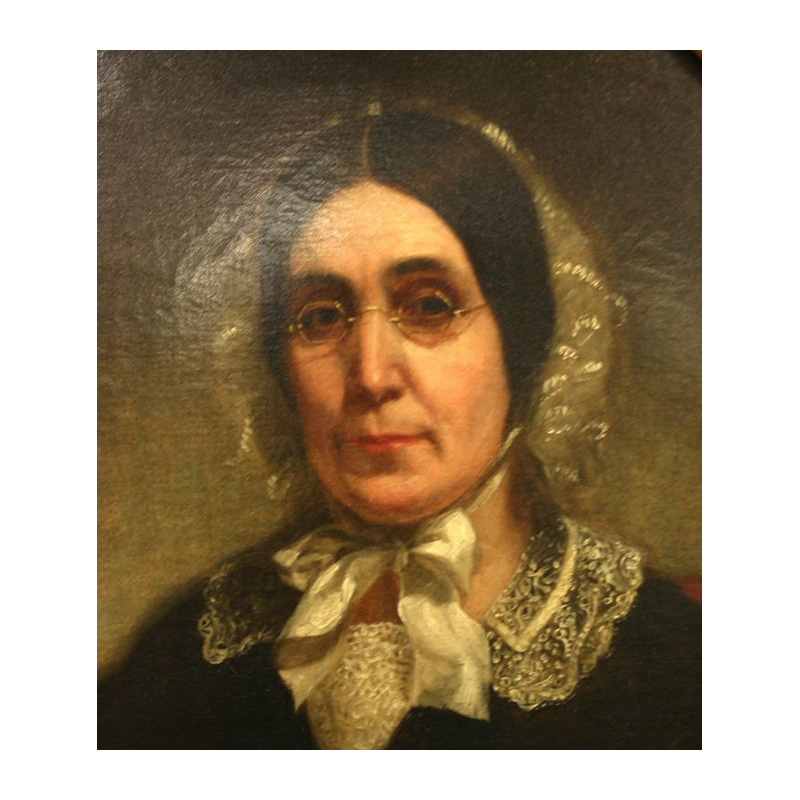
This brief article by and about the second wife of Alexander Campbell developed in a roundabout way. The February issue of Christian Standard deals with finances, including “In the Arena” articles by Matt Merold and Chris Philbeck that take stands on the question, “Should churches embrace and utilize debt?” (Matt says yes; Chris says no.) I wondered if writers from the magazine’s past had weighed in on this subject, so I dug into the archives of the Christian Standard’s first 100 years of publication. I turned to the listing for DEBT—an obvious place to begin the search—and was surprised to
January 10, 2019
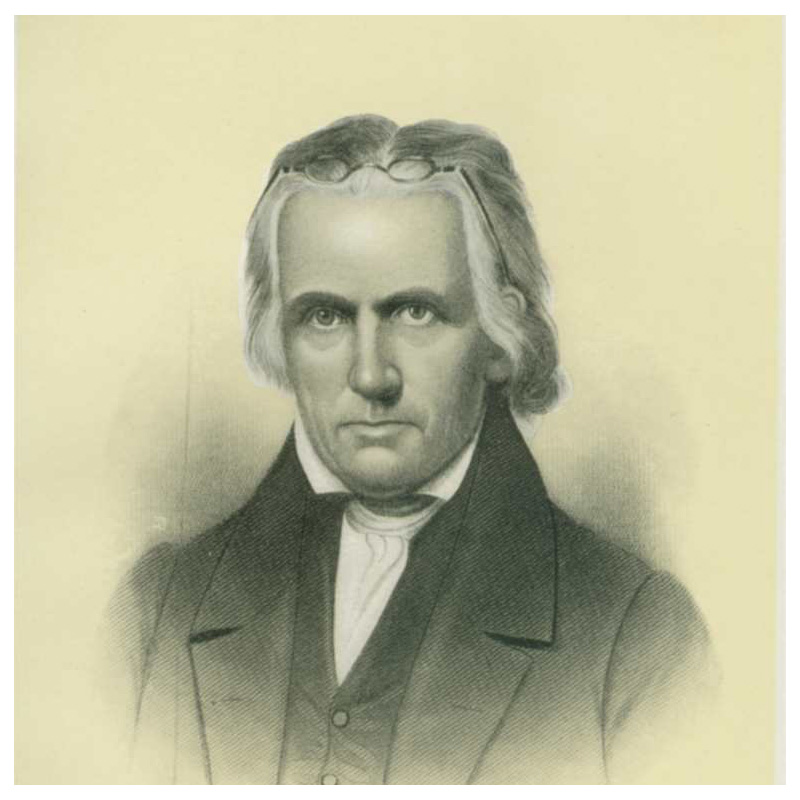
– Jan. 9, 1909 – Among the crucial earliest triggers of the Restoration Movement, I typically think of two: The Cane Ridge Revival led by Barton W. Stone (1801) and the Declaration and Address penned by Thomas Campbell (1809). In January 1909, Christian Standard began a year-long series under this banner headline: “CENTENNIAL SPECIAL FOR JANUARY” with the subhead, “After One Hundred Years—A Century of Progress in America’s Greatest Christian Union Movement.” A number of articles in the issue carried that theme forward. In a moment, I will zero in on what probably is the most personable of them (“Reminiscences
March 12, 2011
By Brad Dupray Douglas Foster is director of The Center for Restoration Studies at Abilene (Texas) Christian University, where he also serves as professor of church history. ACU is primarily affiliated with the a cappella churches of Christ, but Foster brings a broad knowledge of the Restoration Movement as a co-editor of The Encyclopedia of the Stone-Campbell Movement and of the forthcoming World History of the Stone-Campbell Movement (due from Chalice Press in 2012). He completed an undergraduate degree at David Lipscomb University and earned a PhD in church history at Vanderbilt University, both in Nashville, Tennessee. Foster has taught
July 13, 2008
Answers from Pat Magness Does the Restoration Movement Matter? Answers from Pat Magness. Pat Magness is professor of humanities and English at Milligan College in Tennessee and a member of the Publishing Committee at Standard Publishing. Do you feel as strongly about being a part of the Restoration Movement today as you did fifteen years ago? What, if anything, has changed? Yes, I remain strongly committed to the Restoration Movement and even more deeply involved in a variety of ministries. In addition to the connections in my local congregation, I feel increasingly connected to the Restoration Movement through my work on
June 1, 2008
By Victor Knowles Read the main article, “One Body,” by Victor Knowles. Â Â Â 1. The Declaration and Address was written by: a. Alexander Campbell b. Thomas Campbell c. Benjamin Franklin d. Walter Scott e. Barton W. Stone 2. The Declaration and Address was published in the year: a. 1793 b. 1801 c. 1809 d. 1866 e. 1906 3. The Declaration and Address was largely a: a. Pattern for organizing New Testament churches b. Call to secede from the Union c. Primer on hermeneutics d. Document advocating Christian unity e. Treatise on instrumental music 4. Arguably the most memorable

April 7, 2026
John B. Penrose Jr

April 7, 2026
David Faust
March 27, 2026
Rick Cherok