July 14, 2025

At the Crossroads
Crossroads in life are unavoidable. Following Jesus constantly puts us on a road that leads to a cross.
July 14, 2025
Crossroads in life are unavoidable. Following Jesus constantly puts us on a road that leads to a cross.
December 25, 2023

Two miracles provide the background for this lesson text. Jesus multiplied five barley loaves and two fish and fed 5,000 men. Jesus then walked on the Sea of Galilee. . . .
Three events recorded in Luke 19 offer three tuning forks for the soul. . . .
December 5, 2022

There are five miracles in this lesson text—the feeding of the 5,000, Jesus walking on water, Peter walking on water, the calming of the storm, and the healings at Gennesaret. Only the Lord of Creation could demonstrate his power over that creation.
March 29, 2020

Dr. Mark Scott wrote this treatment of the International Sunday School Lesson. Scott teaches preaching and New Testament at Ozark Christian College, Joplin, Missouri. This lesson treatment is published in the April 2020 issue of Christian Standard + The Lookout. (Subscribe to our print edition.) ________ Lesson Aim: Let Jesus provide for your personal and spiritual needs. ________ By Mark Scott All four Gospels record the miracle of the feeding of the 5,000. It was Passover time when Jesus performed it. This was one Passover when Jesus did not go to Jerusalem; he had his own Passover meal in the
March 29, 2020

(Click here for a detailed explanation of how to use the Discovery Bible Study.) By Leigh Mackenzie Study Questions for Groups 1. In what ways did you see Jesus’ power work in and through you over the past week? What else are you thankful for from the past week? Ask three people—two readers and one —for their help. Ask the first reader to read John 6:1-15, 25-29 aloud. Then ask the second person to read it again, perhaps from a different version. Ask the third person to retell (not interpret, just paraphrase) the narrative in about 60 seconds (as if
March 23, 2020

(Click here for a detailed explanation of how to use the Discovery Bible Study.) By Leigh Mackenzie Study Questions for Groups 1. What was challenging for you this past week? (Be as specific as possible.) Ask three people—two readers and one reteller—for their help. Ask the first reader to read Mark 5:1-20 aloud. Then ask the second person to read it aloud again (it may be useful to read it from a different Bible version). Then ask everyone except the reteller to set aside their Bibles and simply listen. Ask the third person to retell (not interpret) the narrative in
March 10, 2020

By Daniel Schantz “The blossoming [grape] vines spread their fragrance” (Song of Solomon 2:13). The grape juice our churches use for Communion was developed by Thomas Welch, a Methodist minister, physician, and teetotaler, in the 1860s. He thought it hypocritical for preachers to oppose drinking and then serve alcoholic wine for the Lord’s Supper. Since grape juice contains its own leaven, he used pasteurization to stop fermentation. Welch’s Grape Juice Company resulted from his efforts to sell the juice to churches. But the choice of “grape juice” as the symbol of Christ was entirely God’s idea, and it was the
March 26, 2019

By Halee Wood During Jesus’ early ministry, many of his followers were ecstatic. Who wouldn’t have been? The vibe, the miracles, the fact that he was hanging out with sinners. Some of these people had been made to feel like complete failures by the legalistic Pharisees, yet Jesus was loving, healing, and spending time with them! Jesus eventually began to say radical things that made many people feel seriously uncomfortable. In John 6, he said, “Whoever eats my flesh and drinks my blood has eternal life. . . . For my flesh is real food, and my blood is real
July 12, 2017

By Ronald G. Davis Turning points sometimes come in a roar. Turning points sometimes come in a whisper. In modern history the roar was heard in the deathly din of D-Day. And the course of modern human history was changed. In biblical history, the whisper was heard by Elijah when he had fled in cowardice from an interloper in the messianic line. God called him with “a still small voice” to return to his ministry in the court of kings. And the course of Israel”s history was redirected toward a Messiah. John 6 pictures just such a dramatic turning point.
December 18, 2012
By Boyce Mouton Merry Christmas! This is among the most familiar phrases in the English language. It brightens the eyes of little children, brings cheer to those imprisoned on beds of suffering, and gives hope to those in dungeons of despair. In spite of political correctness, these precious words still echo throughout every city and village in America. Even those who do not read, speak, or understand the English language, can say these words with a smile and find blessed relief from the difficulties of life. Merry Christmas! These words are music to the ears of our brave men and
April 30, 2012

The crowd sought Jesus after the feeding of the 5,000, but he pointed them beyond physical bread to what matters for eternity, declaring himself the true bread from heaven and the bread of life.

Jesus’ words over the Passover bread and cup make a startling claim: God’s great story of salvation now centers on him, pointing to a new exodus, a new covenant, and a redeemed people.
February 2, 2011

Robert Reese considers whether Christians must “earn the right” before sharing the gospel, arguing that compassion and evangelism belong together in faithful witness.
Sponsored

Sponsored

Sponsored
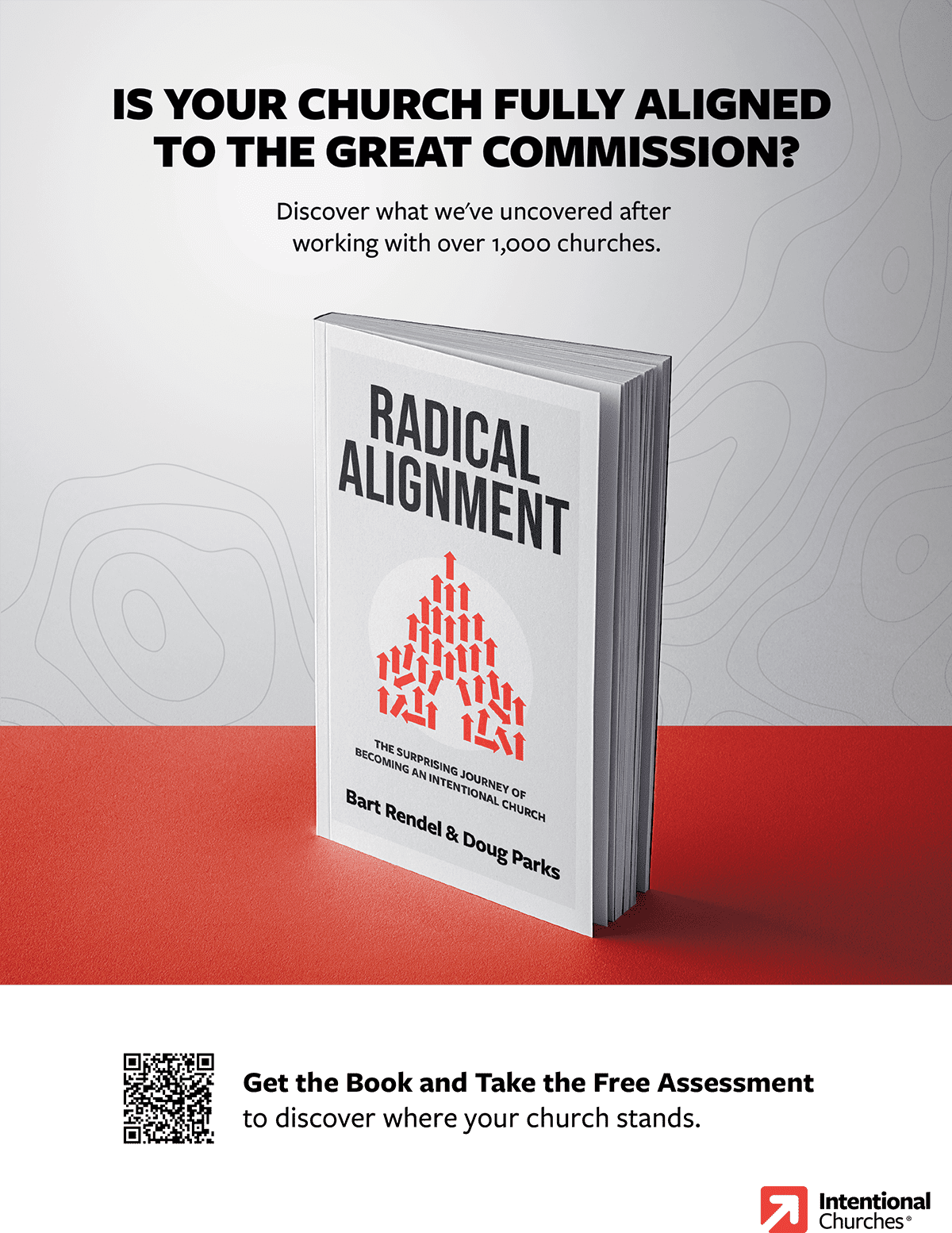

Learn how to turn the sermons you’re already preaching into searchable, shareable content that helps people discover and connect with your local church. Access Be Seen, Be Heard on demand with Wes Woodell and Trey Sheneman. A two hour course for preachers, church media and website teams, and anyone who wants to help their church reach more people online.
October 6, 2026
Rick Cherok

October 6, 2026
Landon Shuman

October 6, 2026
Doug Redford