January 1, 2023

What Is Truth?
A word study traces the Bible’s primary terms for truth—emet in the Old Testament and aletheia in the New—showing truth as lived faithfulness and embodied in Christ, with a call to “don’t adjust it; trust it.”
January 1, 2023
A word study traces the Bible’s primary terms for truth—emet in the Old Testament and aletheia in the New—showing truth as lived faithfulness and embodied in Christ, with a call to “don’t adjust it; trust it.”
April 1, 2021

The Words of the Roman Centurion When He Came Face-to-Face with the True Son of God Still Resonate His retirement drew near. He’d been serving Rome faithfully for 23 years. Now 43, he was ready to hang up his helmet. His decision to enlist with the Roman military had been a practical one. As a poor man’s son, he knew he needed a stable source of food and shelter. He often wondered what life might have been like had he chosen a different profession.* Had he been a farmer or fisherman, perhaps his closest friends would still be alive. Perhaps
June 14, 2020
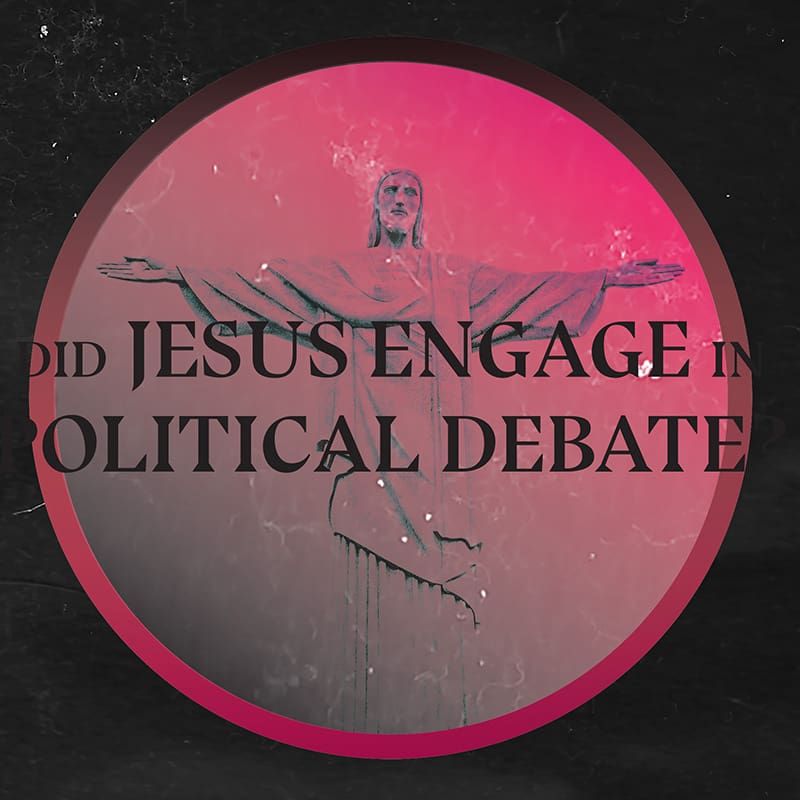
By Mark E. Moore Did Jesus engage in political debate? Well, that depends on your definition of political. I’m not trying to be clever or coy, just clear (an attribute desperately lacking in modern political debate). The word political comes from the Greek word politeuomai which means “to live as a citizen” (Acts 23:1; Philippians 1:27). It had to do with social engagement in the public sphere. According to this technical definition, to be political, Jesus would have to meet these four criteria: (a) Be a public figure—his ideas or vision would need to be declared publicly rather than merely
March 15, 2020
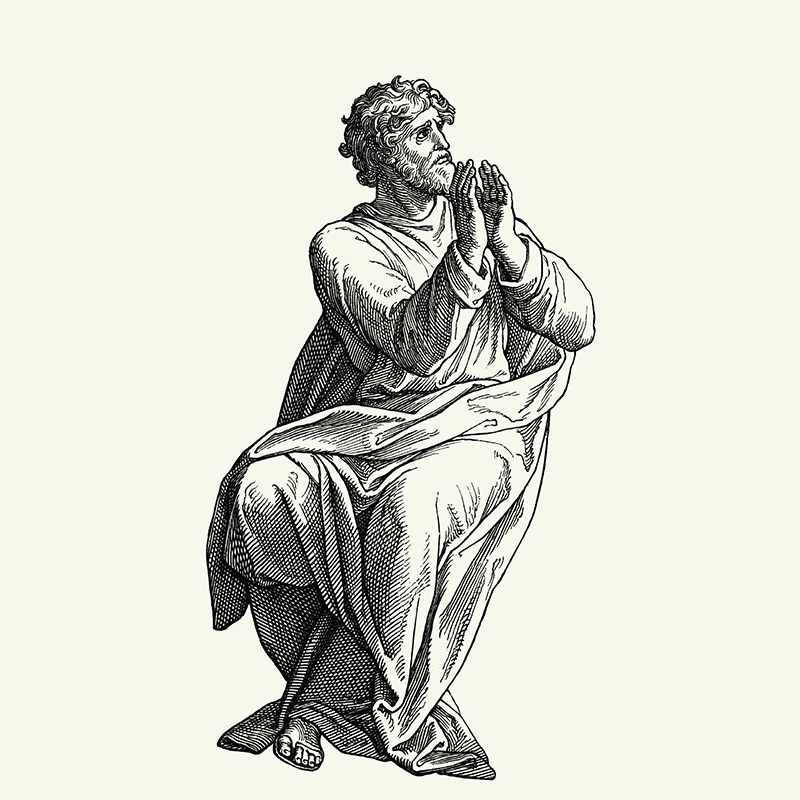
(An eyewitness’ account*) By Dale Reeves We were just minding our own business, washing and mending our nets on the lakeshore, when we first met Jesus face-to-face. He stepped into my boat to use it as a sort of floating speaker’s platform. After he talked to the people about what he called “the kingdom of Heaven,” he told us to move the boat into deeper water and then cast our nets off the right side. Andrew and I looked at each other and laughed; we had been out there all night without sleep and without fish. I’m not sure
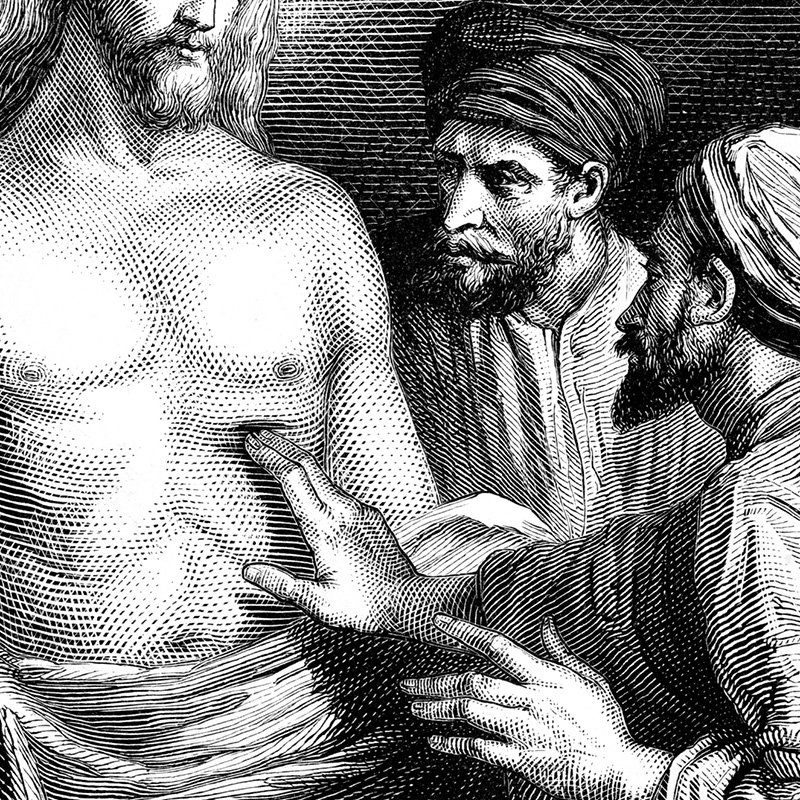
By Beau Bruton Sometimes people talk about the “broken body” of our Savior, Jesus Christ. As horrible as what Jesus went through, to say his body was “broken” is incorrect when taken literally. The Bible describes specifically what happened shortly after Jesus died: Because the Jewish leaders did not want the bodies left on the crosses during the Sabbath, they asked Pilate to have the legs broken and the bodies taken down. The soldiers therefore came and broke the legs of the first man who had been crucified with Jesus, and then those of the other. But when they came
December 7, 2017
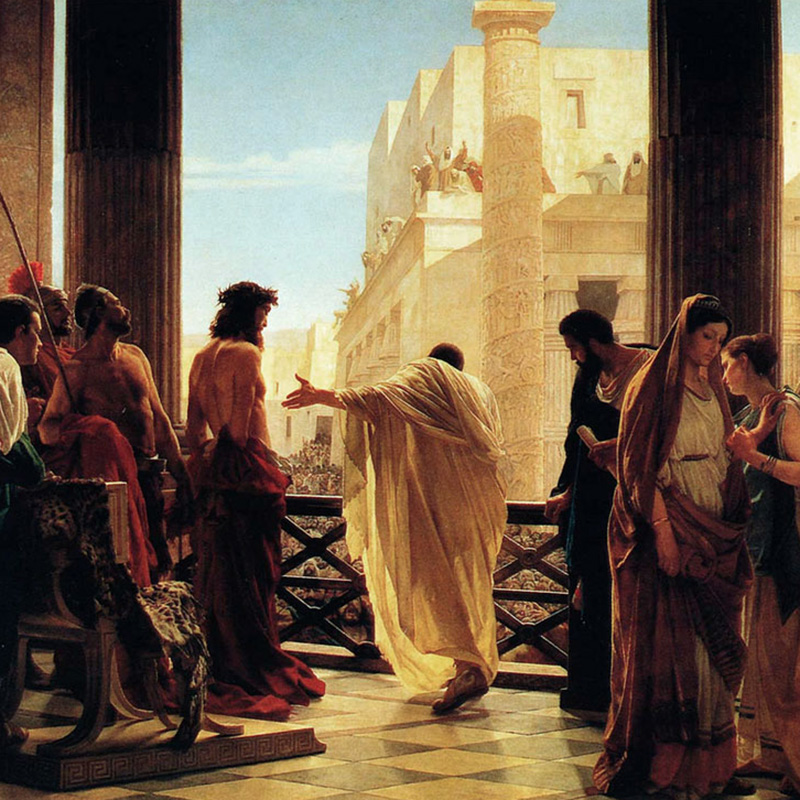
By Doug Redford “Silent Night” remains one of the most beloved of the traditional Christmas carols. The words, the tune, the message are all so simple yet so unforgettable (which is true of the Christmas message itself). The picture of the Christ child sleeping “in heavenly peace” amid less than ideal surroundings is one that beckons us during a season when crowds and commotion are all too common. “Silent night” also describes an evening that took place, ironically, near the end of Jesus” earthly life. That was the night of his betrayal and so-called trial””the series of events that led
August 31, 2015
This treatment of the International Sunday School Lesson is written by Dr. Mark Scott, who teaches preaching and New Testament at Ozark Christian College, Joplin, Missouri. Scott has also held preaching ministries in Missouri, Illinois, and Colorado. This treatment is published in the August 30 issue of The Lookout magazine, and is also available online at www.lookoutmag.com. ______ By Mark Scott Lots of things qualify as “acts” in the Book of Acts””miracles, speeches, encounters, persecutions, and even prayers. Prayer is an act. Persecution against the earliest church made prayer a red-hot act. This is the second prayer in Acts in which we are told the

April 7, 2026
John B. Penrose Jr

April 7, 2026
David Faust
March 27, 2026
Rick Cherok