Ordination as a Lifetime Commitment
This three-part series (available as a downloadable PDF) explores ordination with an eye toward helping individuals, churches, and God’s kingdom. It frames ordination as a key event in the life of a church and proposes a “lifetime ordination” relationship between the minister and the congregation.
- Ordination should be undertaken thoughtfully and prayerfully.
- Ordination involves mutual obligations, including accountability and oversight.
- Ordaining congregations should consider their responsibility for those they ordain.
This article is no longer available online, but the entire three-part series is available for purchase as a downloadable resource/pdf.
Ordination
Item 02971 • $2.99
Ordination needn’t be a mystery, but it should not be undertaken thoughtlessly. This six-page resource, originally a three-part series in CHRISTIAN STANDARD, explores ordination with an eye toward helping individuals, churches, and God’s kingdom.
• J. Michael Shannon makes a case for why ordination is practical and sensible for individuals desiring a lifetime of service in the Lord’s church.
• Paige Mathews considers a process for assessing the person who wants to be ordained.
• And Tom Lawson challenges ordaining congregations to consider their responsibility for the lifetimes of those they ordain.
This download is ideal for churches that are considering ordaining a ministry candidate. All downloads include permission to reproduce material up to 10 times for ministry and educational purposes.
To order this resource, CLICK HERE; To sample the first few paragraphs of article one, continue reading below . . .
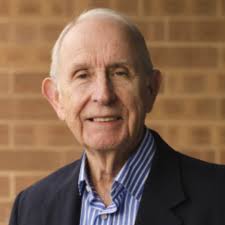
By Tom Lawson
Churches and church leaders need to think of ordination as one of the key events in the life of a church—one that should be bathed in prayer and fasting.
I propose that we examine the concept of lifetime ordination. This means both the “Timothy” and the congregation accept a lifetime relationship of mutual obligations. These obligations are primarily in accountability, oversight, and crisis intervention. This continues as long as the person represents himself as a minister set apart by this congregation.
On a wall in my office are various diplomas and awards one might expect to find in a professor’s office. The centerpiece, however, is my ordination certificate from Southland Christian Church in Lexington, Kentucky, dated July 21, 1974. No one seeing that certification would comment, “Oh, I see you were once an ordained minister.” That certificate suggests a present and ongoing relationship between me and that congregation of my youth. It shows that I am, to this day, an ordained minister sent out by Southland Christian Church. . . .