
The Just One Challenge
Bob Russell and college presidents urge churches to pray for future kingdom workers through the Just One Challenge, a Matthew 9:38 initiative calling believers to recruit and encourage new ministers.
Ministry Training & Education equips current and future church leaders with practical, Bible-based preparation for lifelong service. Explore resources on theological training, ministry skills, mentoring, leadership development, and building healthy learning pathways for pastors, elders, staff, and volunteers. You’ll find guidance on discipleship models, teaching and communication, ministry internships, and developing teams—so training is both spiritually formative and mission-focused. Whether you’re pursuing formal education, leading an in-house training program, or coaching emerging leaders, these articles help you grow in competence, character, and faithful ministry.
Bob Russell and college presidents urge churches to pray for future kingdom workers through the Just One Challenge, a Matthew 9:38 initiative calling believers to recruit and encourage new ministers.

Keith Ray discusses Bible college, seminary, mentoring, maturity, and cultural clarity as essential parts of preparing ministry leaders for churches facing complex challenges.
October 4, 2009

Robert Wetzel and Michael Sweeney discuss Emmanuel School of Religion’s leadership transition, community-focused seminary education, financial pressures, and the need for deeper theological formation in churches.

Tony Jeary shares practical guidance for Christians who want to communicate with clarity, confidence, and purpose in small groups, classes, worship settings, and everyday conversations.
March 15, 2009

Bill Weber urges Bible colleges and seminaries to make spiritual formation intentional, developing Christian character through curriculum, faculty mentoring, spiritual disciplines, and a campus culture centered on discipleship.
December 7, 2008

Doug Gibson urges churches to reconsider their financial support for Christian colleges, warning that rising costs may keep future ministers, missionaries, and leaders from receiving needed training.
November 9, 2008

Fred Hansen reflects on scholarship in the church, highlighting Restoration Movement examples and urging ministers, missionaries, and educators to pursue deep learning marked by humility and service.
November 9, 2008

Brian Jones reflects on an early ministry internship and explains why local church leaders need both practical effectiveness and serious theological depth.

Churches urgently call for youth ministers and other specialized staff, but the need keeps growing. Drawing on a poll of youth ministers, Andy Hansen shares key influence points and practical insight for recruiting vocational leaders.

Cincinnati Christian University senior Justin Bilyeu explains his call from pre-med plans to ministry, what Bible college has taught him, and why experience in preaching and internships matters for future leaders.

Chuck Sackett reflects on ordination and the call to ministry, urging churches to pair careful evaluation with long-term encouragement and accountability for those they ordain.
December 2, 2007

Six graduate-level schools share how they support nontraditional students who feel called to leave a chosen career and enter full-time church service, offering guidance for leaders considering a ministry transition.
December 2, 2007

Hope International University’s SALT program partners with local churches to create flexible, accredited five-week online courses. Churches request training topics, Hope designs the course, and an on-site mentor helps apply learning locally.
December 2, 2007

Johnson Bible College in Knoxville, Tennessee offers distance-learning graduate options, including a Master of Arts in New Testament with preaching or elective tracks, plus an on-campus Marriage and Family/Professional Counseling program with supervised clinical experience.

As larger churches add specialized ministry roles, many are hiring proven volunteers from within their own congregations. Paul Boatman explores the benefits, risks, and the need for strong partnerships between local churches and theological education.

Why does scholarship matter to the church? Robert F. Hull Jr. argues that faithful scholarship supports Bible translation, global mission, congregational health, and training future leaders—showing why “Athens and Jerusalem” need each other.
November 5, 2006

Ordination is a key event in a church’s life. Tom Lawson proposes “lifetime ordination,” a mutual relationship of accountability, oversight, and crisis intervention between a congregation and the minister it sets apart.
This article is no longer available online, but the entire three-part series is available for purchase as a downloadable resource/pdf. Ordination Item 02971 “¢Â $2.99 Ordination needn”t be a mystery, but it should not be undertaken thoughtlessly. This six-page resource, originally a three-part series in CHRISTIAN STANDARD, explores ordination with an eye toward helping individuals, churches, and God”s kingdom. “¢ J. Michael Shannon makes a case for why ordination is practical and sensible for individuals desiring a lifetime of service in the Lord”˜s church. “¢ Paige Mathews considers a process for assessing the person who wants to be ordained. “¢
October 22, 2006

A downloadable PDF resource explores ordination and includes a sample from J. Michael Shannon’s first article. The piece asks whether ordination is biblical, practical, or necessary, and begins with a look at New Testament patterns for ministry leadership.
September 3, 2006

Mark Butrum once spent Sunday mornings bass fishing, but a series of “yes” answers to serving leads him to preaching. Northside Christian Church launches “The Mark Project” to support his family as he trains for ministry.
Sponsored

Sponsored

Sponsored
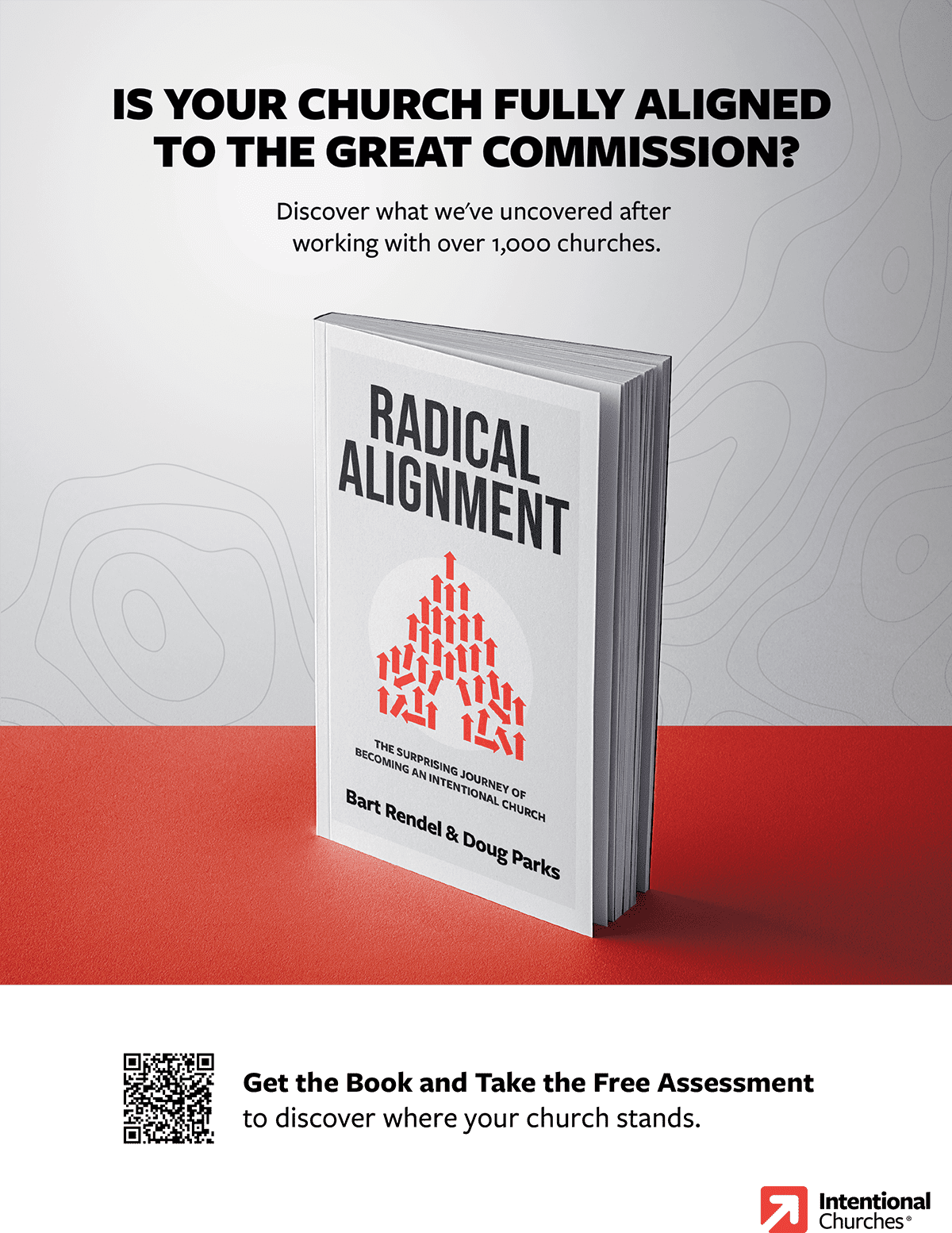

Learn how to make the Sermon Content you’re already producing draw people into your local church.
For preachers, church media and website teams, and anyone who’d like to learn how to increase the visibility of their local church online.
August 25, 2026
Rick Cherok

August 25, 2026
David Faust

August 25, 2026
Michelle Maris