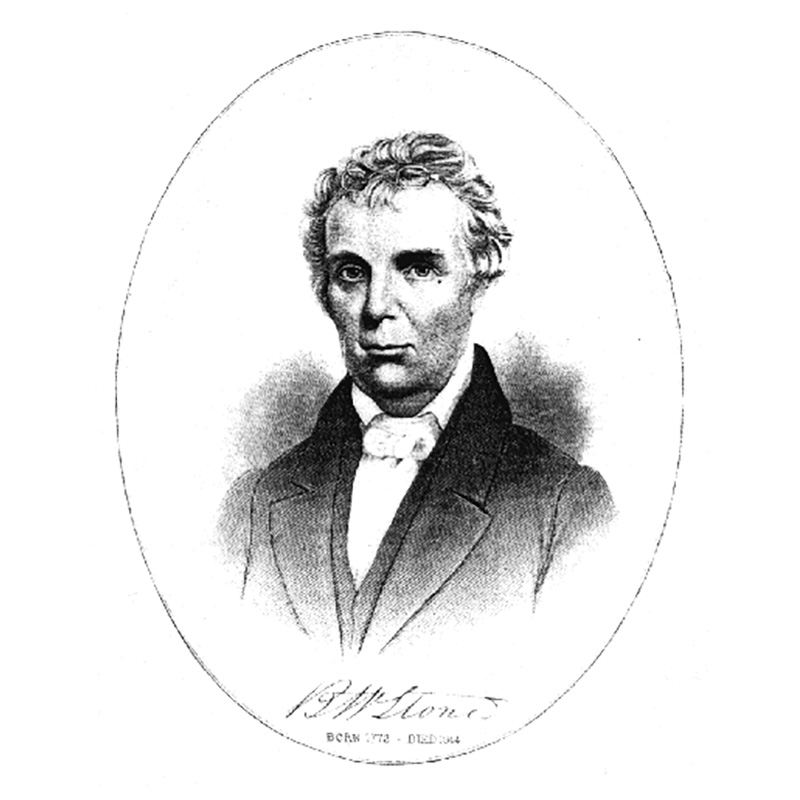
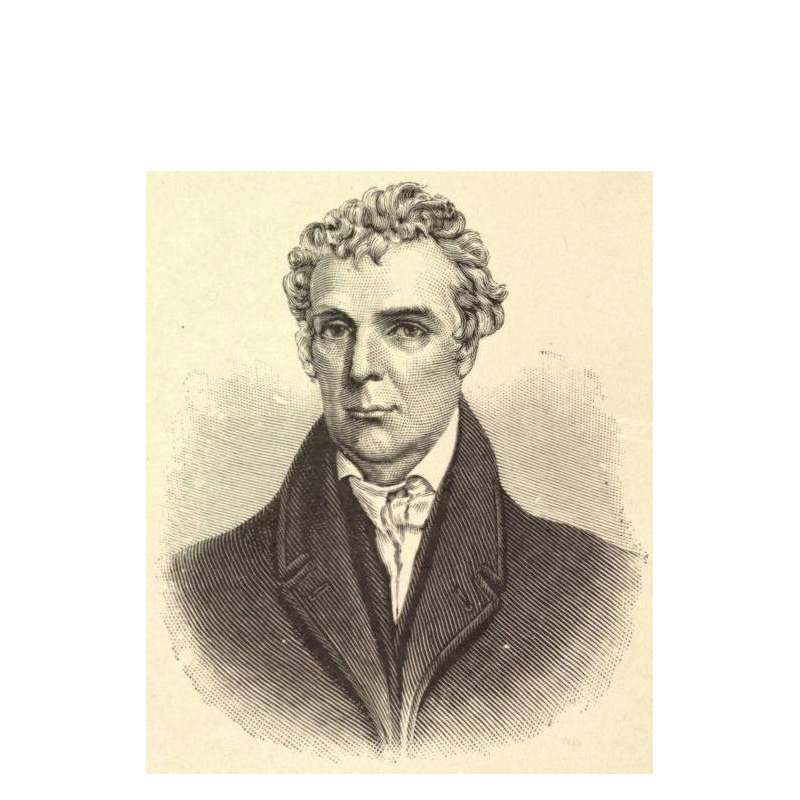
THROWBACK THURSDAY: ‘Barton W. Stone—Champion of the Word’ (1962)

Sam Stone wrote in 1962, "If the early leaders of the Restoration movement are like men engaged in a race, it might be said that Barton Warren Stone took an early lead, but was later passed by Alexander Campbell." Sam Stone contended that Barton Stone was deserving of greater appreciation . . . and he did so by presenting this "survey of his life." . . .
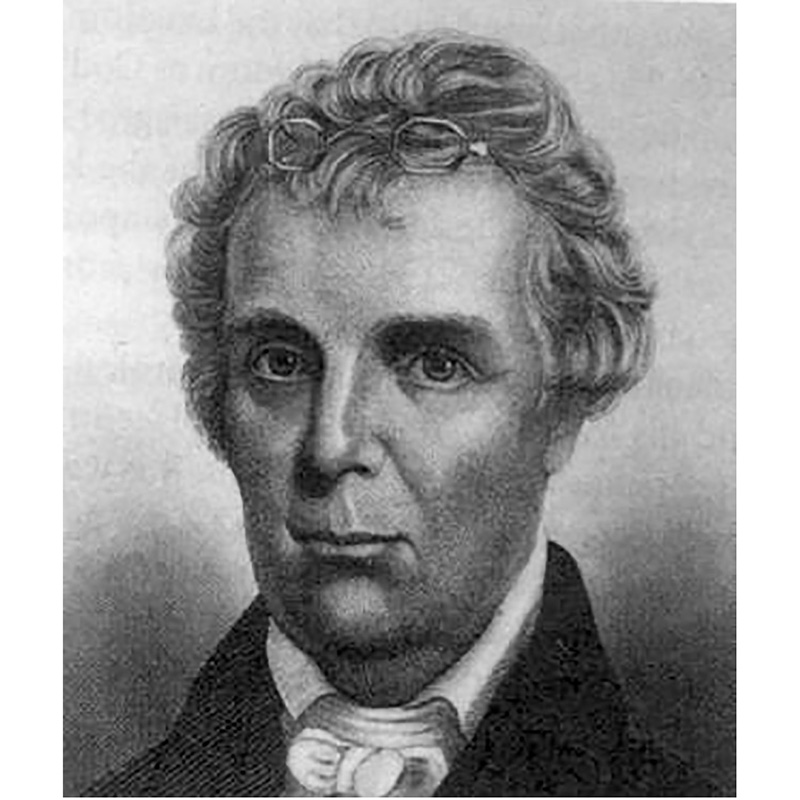
A Biographical Study of Barton W. Stone (Part 4)

Here is the conclusion of our four-part series on Barton W. Stone, as excerpted from Frederick D. Kershner’s 1940 series on six of the “most significant advocates” of the Restoration Movement. (Click on any of these to read the earlier installments of the series: Part one — part two — part three.) _ _ _ “Stars: Message of Barton Stone” May 4, 1940; p. 7  The first relations of [Alexander] Campbell and [Barton] Stone appear to have been somewhat strained and not altogether cordial. The Kentucky reformer was a little dubious about too much emphasis being placed on water regeneration;

A Biographical Study of Barton W. Stone (Part 3)

We continue this week with the third installment of Frederick D. Kershner’s biographical study of Restoration Movement father Barton W. Stone from 1940. (Part one and part two are available here.) _ _ _ “Stars” April 27, 1940; p. 7 There was a group of young ministers, of which Stone was probably the center, which reacted against the high Calvinism of their fathers after the Cane Ridge revival. Stone, McNemar, Marshall, and three or four others withdrew and organized the Springfield Presbytery. They published an apology, some part of which was comprehended in the autobiography of Barton W. Stone. The

A Biographical Study of Barton W. Stone (Part 2)

We continue this week with our second installment of Frederick D. Kershner’s look at Barton W. Stone from 1940. Though Kershner wrote his profile on Stone in three installments, we shared only a portion of part one last week; today we share the rest of the article originally published April 20, 1940. _ _ _ “The Message of Barton Warren Stone” April 20, 1940; p. 7 BARTON WARREN STONE[’s] . . . life may be summarized under the following outline: Early period (1772–1799). Cane Ridge Revival (1799–1801). The Springfield Presbytery (1802–1804). Independent career (1804–1831). Union with the Campbells (1831). Later

A Biographical Study of Barton W. Stone (Part 1)

In 1940, Christian Standard published a lengthy series of articles called “Stars” by Frederick D. Kershner, then serving as dean of the School of Religion at Butler University in Indianapolis. In introducing the series on March 9 of that year, Kershner wrote, “We shall strive to interpret the ongoing of a great movement in the life of the church through the contribution of six of its most significant advocates. . . . We shall be occupied only secondarily with the mere details of biography. . . .” Those six Restoration Movement “advocates” included: •  Thomas Campbell . . . “who

God’s Love for a Lost World

We continue our monthly series of excerpts from Christian Standard, circa 1909. The magazine devoted one issue each month that year to articles of particular interest to our movement. Today we feature a sermon by Barton W. Stone, who allied with Alexander Campbell to form the Restoration Movement (aka, the Stone-Campbell Movement). No date is attached to this sermon, which we will prune some, as it is quite long. Here’s Barton W. Stone (1772–1844): _ _ _ God’s Love for a Lost World A Sermon by Barton W. Stone (Published April 10, 1909; p. 6) The love of God is

The Passion of Barton Stone

By Jim Tune Barton Warren Stone was one of the foremost leaders for religious freedom on the western frontier during the first half of the 19th century. He led a movement with goals many—including me—are still pursuing today. Barton Stone was born in Maryland in 1772 and as a boy decided to become a preacher. At age 19 he was ordained a minister in the Presbyterian church. In 1801, Stone moved to Cane Ridge, Kentucky. As he took up his preaching ministry, he discovered that some of the things he read in his Bible seemed inconsistent with the strong Calvinist

Secret Link