July 20, 2020

Stuart Powell

The Servant of Slaves

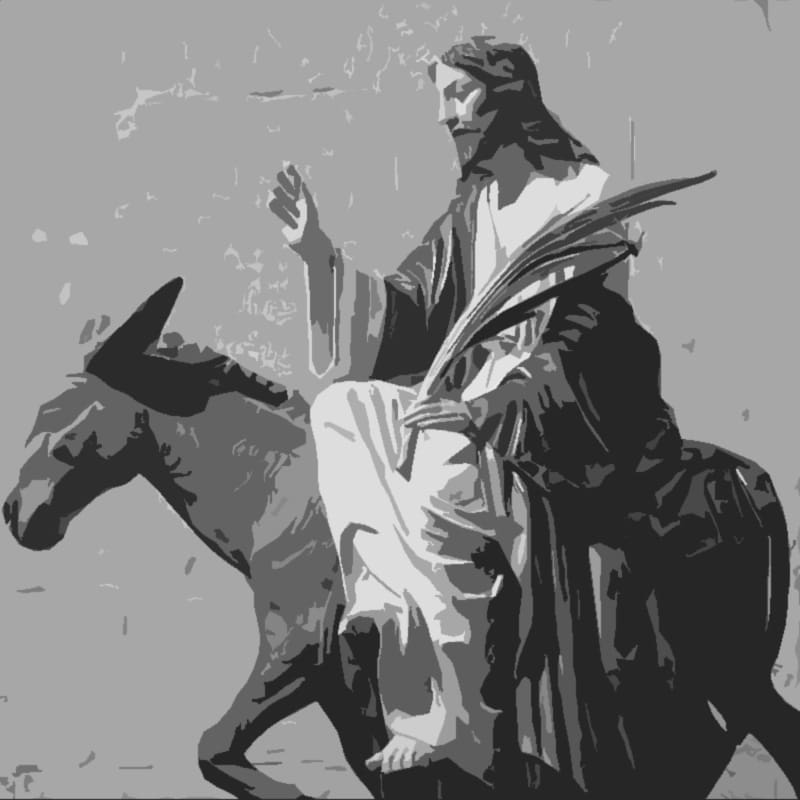
By Stuart Powell How does Jesus enter our lives? In the same way he entered Jerusalem on Palm Sunday—as a servant. Jesus’ disciple described it this way,“Say to the daughter of Zion, ‘Behold, your king is coming to you, humble, and mounted on a donkey, on a colt, the foal of a beast of burden’”(Matthew 21:5, English Standard Version). Jesus’ arrival at Jerusalem, before his suffering, opened with a scene foreshadowed in Zechariah 9:9. As he rode the donkey colt down the steep slope of the Mount of Olives, passing by the Garden of Gethsemane, Jesus redefined the relationship between
Communion on the Moon

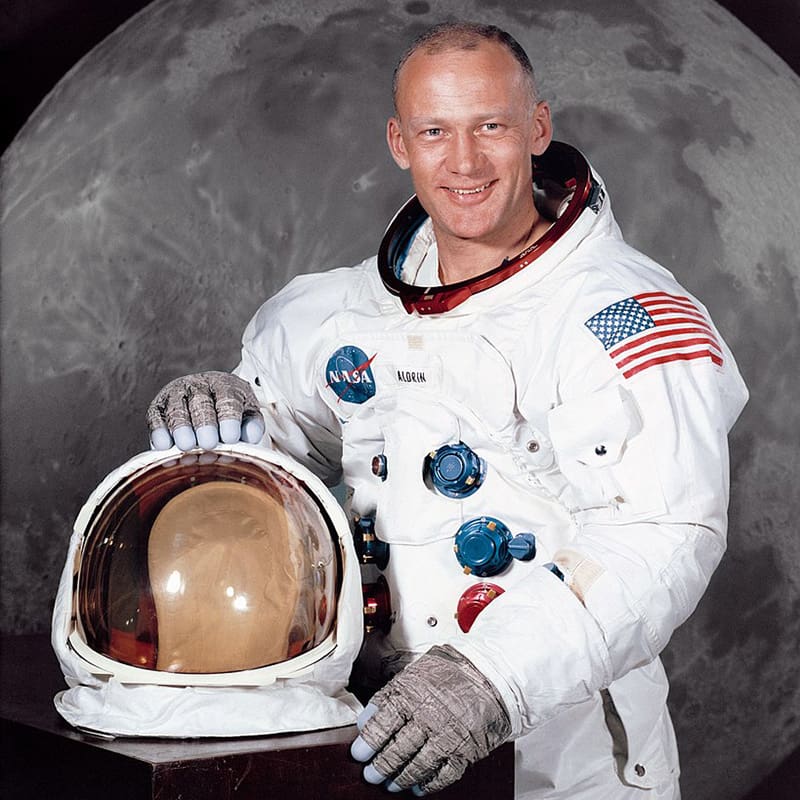
By Jon Wren This Monday, July 20, marks the 51st anniversary of the Apollo 11 moon landing. It was the culmination of years of intense planning, research, and effort—and of centuries of scientific and astronomical study. It ranks as possibly the most impressive human achievement in history. People of a certain age can recall the image of the American flag on the moon’s surface and Neil Armstrong’s famous “one giant leap for mankind” statement. But probably very few people know about something else that happened that day on the moon. After the landing, astronaut Buzz Aldrin removed from his “personal

July 6, 2020

Stuart Powell

Enslaved

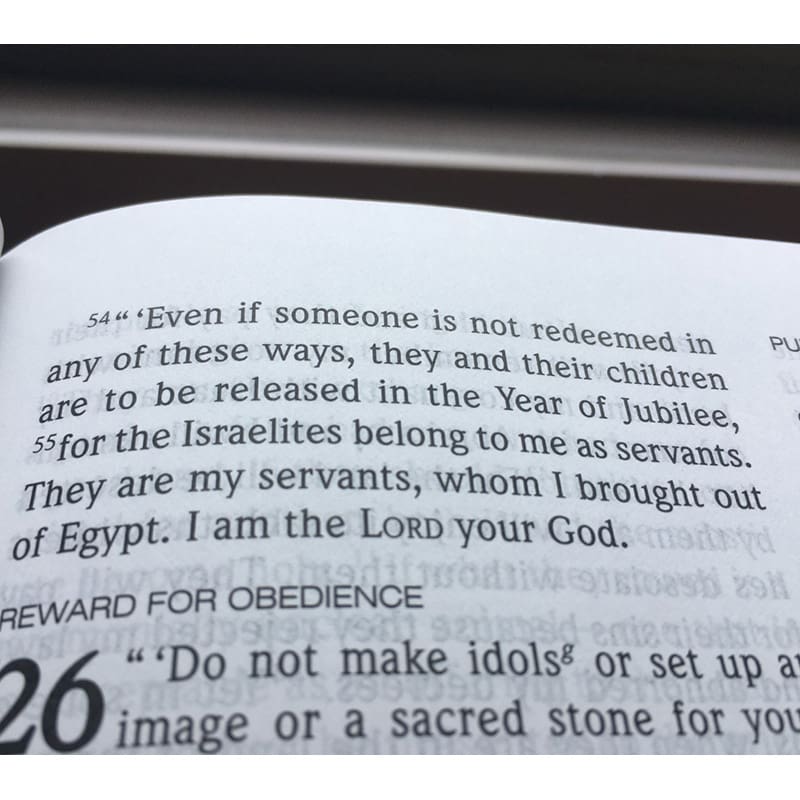
By Stuart Powell One of the most widely known Bible stories is Israel’s exodus from Egypt. We tend to frame the exodus as the nation’s permanent liberation from enslavement. The books of Exodus and Leviticus describe Israel’s journey during their first year after leaving Egypt. In Leviticus 25, God explained his plans for the Year of Jubilee as a time when property ownership was restored to the original Jewish recipient’s family and slaves were set free. God explained his reasons for this: “For to me the people of Isra’el are slaves; they are my slaves whom I brought out of

June 29, 2020

Stuart Powell

Declaration

By Stuart Powell In the late 18th century, a colonist began writing a manuscript that summarized the political unrest of his time. He produced a startling declaration read aloud in a political hall in Philadelphia: When in the Course of human events, it becomes necessary for one people to dissolve the political bands which have connected them with another, and to assume among the powers of the earth, the separate and equal station to which the Laws of Nature and of Nature’s God entitle them, a decent respect to the opinions of mankind requires that they should declare the causes

Religion

By Jon Wren Have you ever heard someone say, “I’m spiritual, but not religious” or, “I’m not into organized religion”? We’ve probably all heard it; maybe we’ve even said it! In matters of faith, there might not be a less popular word than religion. The word religion comes from Latin; it is a combination of the word re (meaning “again”) and ligamen (meaning “bond” or “connection”). Ligamen is the Latin root for the English word ligament—the connecting tissue between muscle and bone. The word religion essentially means to reconnect something that has been broken, severed, or torn apart. What a

Application

By Jon Wren Did you know Google receives more than 2 million job applications each year? Of those applicants, only about 0.02 percent are hired—after up to 29 different interviews! Harvard University receives 40,000 applications each year and accepts fewer than 2,000. But neither of those can rival the stringent vetting of Chick-fil-A! Chick-fil-A receives more than 50,000 franchise applications per year and contacts only 60 to 100 people for an interview. (Contacting 100 applicants from among 50,000 equates to 0.002 percent.) The process subsequently involves up to 10 interviews, 12 written essays, and includes a final “make it or

Has-Beens

By Stuart Powell The term has-been is a demeaning way to describe the diminished status of once-popular personalities—athletes who can no longer compete, actresses who have not aged well, singers whose vocal ranges shrank with their fan base. A has-been’scurrent status is a dim shadow of what it once was. As Christians, maybe we should consider becoming a has-been as a liberation rather than a demotion. Compare the “glory days” of our life prior to knowing Christ with the abundant life of our present faith. Would we willingly adopt the term has-been to become more like Jesus? In 1 Corinthians

June 1, 2020

Stuart Powell

The Conqueror

By Stuart Powell Julius Caesar led his Roman troops to victory at the battle of Zela in 47 BC in what is now northern Turkey. Details of the battle are relegated to history scholars and trivia buffs. Those accounts tell of a complete and rapid victory. A well-known Latin declaration of triumph is attributed to the conqueror: “Veni, vidi, vici.” In English that translates to,  “I came; I saw; I conquered.” We can write these words off as the excessive boasting of an arrogant warlord who died centuries ago. But as believers, we can reapply this proclamation of victory to

Safely Across the Bridge

By Adrienne Feldmann A young family went on a summer getaway to Chicago. They spent a long day walking up and down the Magnificent Mile—the city’s premier shopping district—and honestly, the kids did not find it quite as magnificent as their parents did! As the marathon shopping session was ending, Mom and Dad realized their children were worn out, so they did what most parents of young kids do—they made a beeline for the best playground they could find. Maggie Daley Park in Chicago is a park to end all parks. Slides are everywhere. There are incredible things to climb.

The Pledge

By Stuart Powell In many American schools, a student’s day starts by reciting the Pledge of Allegiance. We publicly recite the pledge to our flag and republic to proclaim our trust in those we’ve elected to ensure the safekeeping of our civic freedoms. Top among those freedoms are living our faith and speaking candidly about our government. A pledge is a public declaration of personal conformity to the rule of law in our country. Those who hear our pledge should be confident that we intend to live out the call of “justice for all.” Peter wrote that the Christian life

Perspective

By Jon Wren One evening more than 2,000 years ago, Jesus and his followers huddled in a house in Jerusalem and shared a meal we now call Communion. We don’t have any details about what the house looked like or who owned it. But in that house that night, a small group of fishermen and outcasts huddled together for a meal while hiding out from the authorities. Today, untold numbers of tourists from around the world visit Jerusalem to visit places where scholars think that house might possibly have been. Think about that for a moment. When Jesus’ followers took

His Mother Stayed Near

By Stuart Powell Many Galilean women followed Jesus during his ministry. We don’t know all they did. Some likely helped with cooking. We know others provided financial assistance for Jesus and his disciples. But one woman served Jesus more than any other: his mother, Mary. She swaddled him, nursed him, carried him, sung to him, laughed with him, and loved him throughout his life. From the day of his birth, Mary of Nazareth stayed near her oldest son. She surely stayed within earshot as he slept in the feed trough. She carried him to the temple on the day of

April 27, 2020

Stuart Powell

The Time

By Stuart Powell John’s Gospel shares a conversation that occurred the Sunday before Jesus’ crucifixion which is often overlooked in the festive inauguration of Holy Week. Jesus replied, “The time has come for the Son of Man to be glorified. . . . Now my soul is greatly distressed. And what should I say? ‘Father, deliver me from this hour’? No, but for this very reason I have come to this hour” (John 12:23-27, New English Translation). How often had Jesus looked ahead to “the time”? Did he ever pause as he washed his feet to consider where the nails

April 20, 2020

Stuart Powell

Gatherings

By Stuart Powell When the hour came, Jesus and his apostles reclined at the table. And he said to them, “I have eagerly desired to eat this Passover with you before I suffer. For I tell you, I will not eat it again until it finds fulfillment in the kingdom of God” (Luke 22:14-16). Jesus’ apostles gathered in the large upper room of a house in Jerusalem (vv. 11, 12) to celebrate the Passover meal, the seder, together. They were there because of the one leading the meal, their rabbi from Galilee. As each course of food was eaten, those

April 13, 2020

Stuart Powell

Redefined Perspective

By Stuart Powell How is God’s goodness displayed in COVID-19? What benefit does God intend from viruses? In “The Good that Viruses Do” from the Annual Review of Virology for 2017, two scientists [Mario Mietzsch and Mavis Agbandje-McKenna] introduced their article with this observation: If a survey were to ask nonvirologists for their opinions about viruses, the word “good” would be unlikely to arise. Instead, words such as “disease,” “infection,” “suffering,” or “life-threatening” would likely dominate, as people primarily think of viruses such as HIV, Ebola virus, Zika virus, influenza virus, or whatever new outbreak is in the news. Some

The Science of Memory

By Jon Wren As modern science learns more and more about the human brain, some of the biggest findings have centered on memory. New research is helping us understand not only how we remember things, but also why we remember some things more than others. Interestingly, new findings show that nothing creates a stronger memory than experience and repetition. For example, when we meet someone and learn their name, that information goes to a specific part of the brain called the hippocampus. That’s where the brain stores facts and figures. But the circumstances about where, why, and how we met

A Global Pandemic—We Were Made for This!

By Michael C. Mack During times of crisis, the church has typically responded sacrificially for the good of society. Over the last several weeks we’ve seen ample evidence of that happening today. Christians are serving their communities, loving their neighbors, and caring for the needs of others. In the midst of a global pandemic, the church is taking action and God is being glorified. This is who we are! As one minister said, “We never would have prayed for this, but we were made for this!” We love others because God first loved us. We serve others because our Master

Communion in a Socially Distant World

By Michael C. Mack If you were to look up the word communion in a dictionary, you’d see it defined as “intimate fellowship or rapport.” It comes from the same word as community or communication or communal. Under normal circumstances, this is a communal experience. So, how do we accomplish this aspect of Communion in a time of social distancing? First, we should remember that social distancing does not mean social isolation. For now, we are wise not to get together in large gatherings, but we can still find ways to love one another, carry each other’s burdens, encourage one

March 17, 2020

Stuart Powell

Remembering Amazing Things

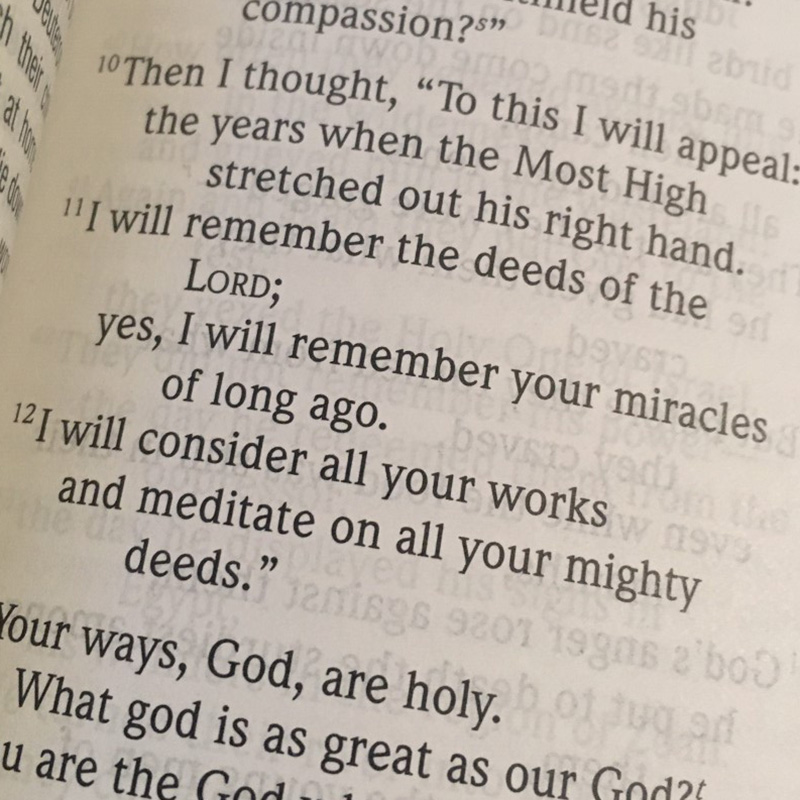
By Stuart Powell Asaph son of Berechiah was a Levite musician (1 Chronicles 15:17) credited with writing Psalm 77. He lived in the time of Israel’s prosperity under Kings David and Solomon. Yet this psalm laments a time of pain in his life. The psalm begins with his petitions for help from a seemingly distant God. Asaph didn’t detail the source of his difficulty but described how he suffered most when, as he said, “my strength leaves me” (v. 3), “during the night” (v. 6), and when he felt cut off from God (v. 9). In those times, Asaph sought

Grapes of Peace

By Daniel Schantz “The blossoming [grape] vines spread their fragrance” (Song of Solomon 2:13). The grape juice our churches use for Communion was developed by Thomas Welch, a Methodist minister, physician, and teetotaler, in the 1860s. He thought it hypocritical for preachers to oppose drinking and then serve alcoholic wine for the Lord’s Supper. Since grape juice contains its own leaven, he used pasteurization to stop fermentation. Welch’s Grape Juice Company resulted from his efforts to sell the juice to churches. But the choice of “grape juice” as the symbol of Christ was entirely God’s idea, and it was the

Help Keep Christian Standard Free & Accessible with a Tax Deductible Donation

We can do more together!

Every gift makes a difference!

No, thank you.
100% secure transactions - receipts provided.
Does Your Church Want to Support Christian Standard?

Would your church consider including support for Christian Standard in its annual missions budget? Your support would help us not only continue the 160-year legacy of this unifying ministry, but also expand the free resources, cooperative opportunities, and practical guidance we provide to strengthen churches in the U.S. and around the world.

We can do more together!

Every gift makes a difference!

No, thank you.
100% secure transactions - receipts provided.
Secret Link