July 24, 2013
Interview with Amy Hanson
Amy Hanson, author of Baby Boomers and Beyond, tells CHRISTIAN STANDARD Editor Mark Taylor seniors ministry must change if we are to engage the next generation of retirees. See the interview here.
July 24, 2013
Amy Hanson, author of Baby Boomers and Beyond, tells CHRISTIAN STANDARD Editor Mark Taylor seniors ministry must change if we are to engage the next generation of retirees. See the interview here.
September 25, 2012

Barry Cameron examines six financial warning signs facing Americans, including government borrowing, student loans, stock market speculation, retirement debt, and reverse mortgages, highlighting the growing consequences of living beyond our means.
September 2, 2012

As younger generations reshape congregational life, Robert Hull challenges churches to look beyond demographic trends and cultural preferences, calling believers of every generation to pursue unity, mutual honor, and cross-centered decision-making.
July 15, 2012
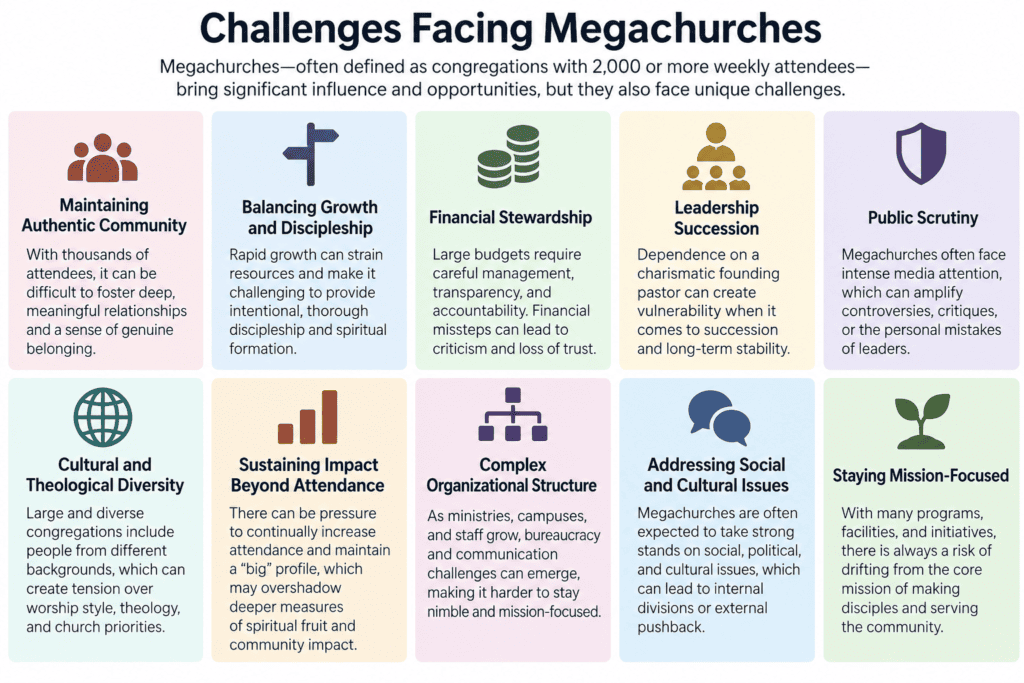
Brian Maris examines three challenges facing megachurches: dependence on smaller churches for growth, changing patterns of financial support, and Sunday-centric systems that can limit missional engagement.
April 11, 2012

Rick Chromey examines the experiences and attitudes that shaped Generation X and considers how Gen-X pastors may bring pragmatism, authenticity, fearlessness, and significant change to church leadership.
April 10, 2012

Rick Chromey examines Generation X’s rise toward church leadership, the Baby Boomer models that shaped modern congregations, and the cultural and generational changes influencing tomorrow’s leaders.
December 15, 2011

Amy Hanson explores four characteristics of baby boomers that churches need to understand as they rethink older adult ministry, reach people in the second half of life, and mobilize them for meaningful service.
May 17, 2009

Amy Hanson offers practical guidance for ministry to older adults, encouraging churches to rethink age-based programs, promote intergenerational involvement, prioritize evangelism and spiritual growth, and create meaningful opportunities for service.
May 17, 2009

Amy Hanson offers church leaders practical ways to help older adults discover meaningful service through God’s leading, personal interests, deep passion, and past experience.
May 17, 2009

Bill Tennison challenges common myths about senior adult ministry, showing how older adults can serve meaningfully and how life transitions create opportunities for evangelism.
May 13, 2009

Mark A. Taylor challenges readers to keep serving faithfully through every season of life, stewarding experience, wisdom, and opportunity until the final lap.
November 23, 2008

William R. Baker outlines the rise of the emerging church, its postmodern context, its shift toward missional language, and key resources for understanding the movement.
October 5, 2008

John Derry encourages churches to develop future leaders by identifying potential, investing resources, providing hands-on experience, and inspiring young people to embrace servant-leadership.
September 12, 2007

Mark A. Taylor considers what the emerging church conversation can teach existing congregations about restoration, renewal, and learning humbly from others.

Russell Crabtree, Holy Cow Consulting, The Elephant in the Boardroom, pastoral transitions, succession planning, Disciples of Christ, Episcopal Church, Columbus Ohio,
Sponsored

Sponsored

Sponsored


Learn how to turn the sermons you’re already preaching into searchable, shareable content that helps people discover and connect with your local church. Access Be Seen, Be Heard on demand with Wes Woodell and Trey Sheneman. A two hour course for preachers, church media and website teams, and anyone who wants to help their church reach more people online.

October 6, 2026
Rick Cherok

October 6, 2026
Landon Shuman

October 6, 2026
Doug Redford