A Christian Standard Survey: Postpandemic Communion Practices
In May, we conducted an informal survey about how COVID-19 affected the celebration of the Lord’s Supper in corporate church services.
Communion & Lord’s Supper explores the biblical meaning and practice of the Lord’s Supper in the worship and life of the church. Find Scripture-based articles on remembrance, gratitude, unity, self-examination, and the gospel-centered purpose of communion. You’ll also discover guidance for teaching about the Lord’s Supper, leading communion thoughtfully, and understanding how this weekly (or regular) practice shapes discipleship, worship, and congregational life. This hub equips believers and leaders to approach communion with reverence, joy, and renewed devotion to Christ.
In May, we conducted an informal survey about how COVID-19 affected the celebration of the Lord’s Supper in corporate church services.
Communion is not a moment for us to be proud of how righteous we think we are; instead, it is a time to reflect and celebrate that a holy God would allow sinners like us to come to his table at all!
We don’t have to fear death any more than a seed needs to fear being planted.
Consider that Jesus' sacrifice was on a cross, which smelled like blood and grime and torture and the bile of humiliation. And yet it was fragrant to God.
February 8, 2021
What does it mean to be a Christian? How are we different from nonbelievers? What distinguishes the people who follow Jesus from those who ignore or neglect him? We might think the difference is most clearly evident when comparing our Sunday activities. On the first day of the week, Christians gather to study what’s written in the Bible. We seek Scripture’s insights into living moral lives and overcoming temptations. We focus much effort on identifying sins that threaten our faith and corrupt our communities. We see the regular gathering of disciples as vital expressions of encouragement and fellowship among Christians.
January 25, 2021
By Stuart Powell There are two days that define every person’s life. The first is the day of conception, when a new life is sparked and another image bearer begins their journey to meet God. That day harkens back to the highlight of God’s creative efforts. The second day is when physical death fulfills the curse that accompanied sin’s impact on every human. These two days have defined too many people throughout history, but these limits are not what God desired for humanity. In his infinite love, God prepared a third day that is available to every person. The third
January 18, 2021

By Randy Ballinger During the pandemic, blood donation centers have sought out individuals who have recovered from COVID-19. Apparently, the antibody-rich blood plasma these individuals donate possibly can save the lives of those critically ill with the virus. The lone purpose for blood is to sustain life. Donating blood brings healing. There is power in the blood. God personified blood in rebuking Cain after Abel’s murder: “Your brother’s blood cries out to me” (Genesis 4:10). After the flood, God instructed Noah, “Only you shall not eat flesh with its life, that is, its blood” (Genesis 9:4, New American Standard Bible,
January 11, 2021

Dr. Martin Luther King Jr. saw in minority groups’ struggles for social equality in America a parallel with Israel’s bondage in Egypt. King envisioned God’s goodness would deliver the U.S. from the evil of segregation.
January 4, 2021

By Stuart Powell In the early days of the COVID-19 pandemic, humanity began a quest for a one-word treasure: vaccine. The entire world sought an antidote that would trigger each human body to build a defense against the ravages of the novel coronavirus. The journey has involved dozens of pharmaceutical companies plowing through billions of dollars to fund untold hours of research by thousands of scientists. The search for a vaccine was fueled by the desire to destroy the curse of this virus and restore life to relationships severed by the virus’s spread. We know life is not meant to
December 14, 2020

By Stuart Powell Note: This is the final installment of a four-week series of Communion meditations in which we consider essential features to the story of the birth of God’s Son. This week we focus on the angels. Angels appeared six separate times in the Gospel accounts of Jesus’ birth and early childhood (Matthew 1:20-21; 2:13, 19-20; Luke 1:11-20, 26-38; 2:9-15). Luke tells us the angel Gabriel spoke to Zechariah and Mary. No names were mentioned in the other four visits. Most times a single angel appeared, which is how the encounter with the shepherds began. Yet after the message
December 7, 2020

By Stuart Powell Note: This is week three of a four-week series of Communion meditations in which we consider essential features to the story of the birth of God’s Son. This week we focus on the shepherds. Luke recorded surprisingly few details of what occurred in the stable on the day of Jesus’ birth. We might boil them down to these: Jesus was born, a feed trough was used as a cradle, and some excited shepherds arrived. There are many reasons why we wouldn’t put either of the latter two incidents in a story about God’s Son. We could use
November 16, 2020
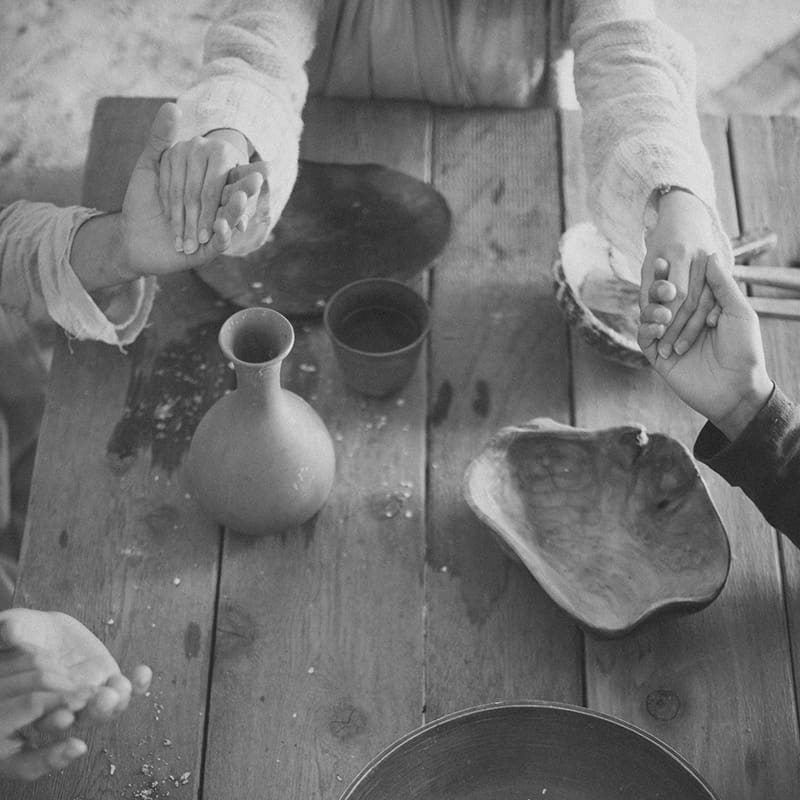
By Michael C. Mack Thanksgiving is more than an annual holiday. For Christ followers, it’s a vital spiritual discipline. Jesus often modeled giving thanks for us. When he raised Lazarus from the dead, Jesus thanked his Father for hearing him (John 11:41-42). Before he fed the 4,000, he gave thanks for what was available to him—seven loaves and a few small fish (Mark 8:6-7). Jesus lived a life of thanksgiving for the big as well as the small blessings. And the early church followed Jesus’ example. The apostle Paul wrote, “Do not be anxious about anything, but in every situation,
September 22, 2020

By Jerry Harris The church established in Acts 2 identified two sacred observances: baptism, which was discussed in week 1 of this series (May 2020), and Communion, termed “the breaking of bread” in Acts 2:42, that this article discusses. The word sacred is used to describe baptism and Communion for a reason. These rituals are often labeled as “ordinances,” but they are much more than obligations to adhere to, for they possess an aspect of holiness that connect us to the blood of a sacrifice. This blood is connected to both cleansing and the forgiveness of sin (Hebrews 9:22), meaning
September 14, 2020
By Randy Ballinger When we read the Gospel accounts about the night before Jesus went to the cross, we see words about the institution of the Lord’s Supper: “Do this in remembrance of me”; we remember what Jesus did for us. “For the forgiveness of sins”; this is why Jesus did what he did for us. But we also see words that may trouble us, for they certainly troubled his disciples: “One of you will betray me.” When Jesus revealed that a betrayer was sitting at the table with him, it caused each one of his disciples to consider whether

By Jon Wren This Monday, July 20, marks the 51st anniversary of the Apollo 11 moon landing. It was the culmination of years of intense planning, research, and effort—and of centuries of scientific and astronomical study. It ranks as possibly the most impressive human achievement in history. People of a certain age can recall the image of the American flag on the moon’s surface and Neil Armstrong’s famous “one giant leap for mankind” statement. But probably very few people know about something else that happened that day on the moon. After the landing, astronaut Buzz Aldrin removed from his “personal

By Jon Wren One evening more than 2,000 years ago, Jesus and his followers huddled in a house in Jerusalem and shared a meal we now call Communion. We don’t have any details about what the house looked like or who owned it. But in that house that night, a small group of fishermen and outcasts huddled together for a meal while hiding out from the authorities. Today, untold numbers of tourists from around the world visit Jerusalem to visit places where scholars think that house might possibly have been. Think about that for a moment. When Jesus’ followers took
March 23, 2020

By Michael C. Mack If you were to look up the word communion in a dictionary, you’d see it defined as “intimate fellowship or rapport.” It comes from the same word as community or communication or communal. Under normal circumstances, this is a communal experience. So, how do we accomplish this aspect of Communion in a time of social distancing? First, we should remember that social distancing does not mean social isolation. For now, we are wise not to get together in large gatherings, but we can still find ways to love one another, carry each other’s burdens, encourage one
January 21, 2020
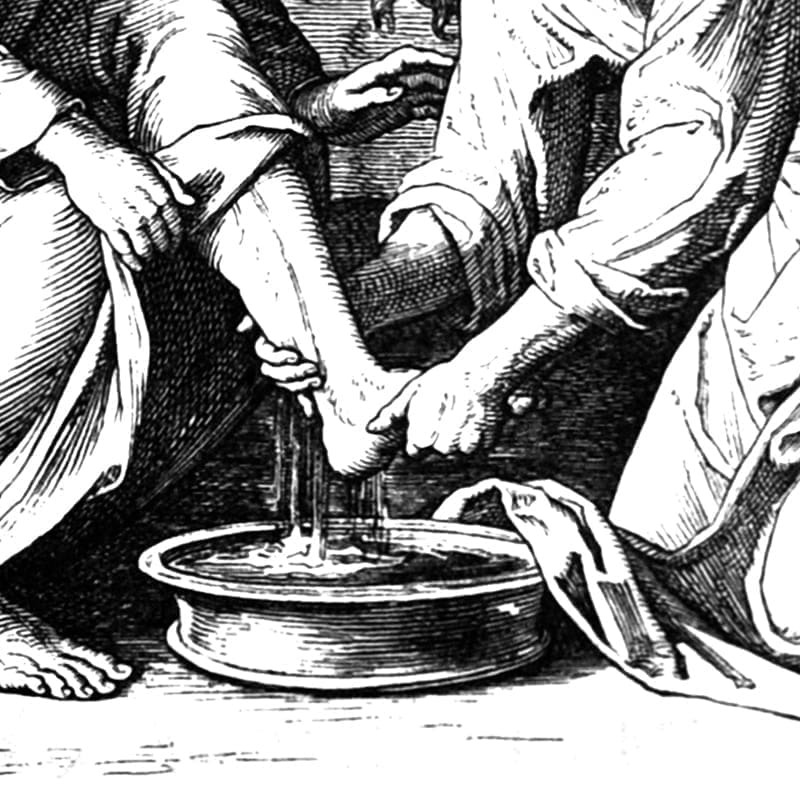
By Stuart Powell John 13 describes the interaction between Jesus and his followers on the night he was betrayed. As the meal progressed, Jesus got up from the table, removed his outer clothing, tied a towel around himself, and began washing their dusty feet as a servant would do. “So when Jesus had washed their feet and put his outer clothing back on, he took his place at the table again and said to them,’Do you understand what I have done for you?'” (John 13:12, New English Translation). Peter didn’t understand. He thought it might be Jesus’ way of elevating
January 14, 2020
By Stuart Powell Have you ever wondered if Jesus would eat a meal at your house? Have you ever imagined yourself living in a first-century village in Galilee the day Jesus came to visit? Would you have been bold enough to ask a miracle-working prophet to join you at your table? I think if I had the courage to ask, Jesus would have accepted the invitation. Why do I think that? Because Jesus had a reputation among the pious in Judea. The Gospel writer offered a glimpse of how the Jewish leaders summarized Jesus’ social standards: “Now the tax collectors
January 7, 2020

By Stuart Powell When the apostle Paul wrote his first letter to the believers in Corinth, he wanted to correct some wrong practices that tarnished their gatherings. Among the many details he called out was their disrespect toward each other when they gathered together at the Lord’s table. Paul desired that they focus less on themselves and more on the other believers who gathered to partake. He wrote, For I received from the Lord what I also passed on to you, that the Lord Jesus on the night in which he was betrayed took bread, and after he had given
Sponsored

Sponsored

Sponsored
July 21, 2026
David Faust

July 21, 2026
Tyler McKenzie

July 21, 2026
Anne Bachle Fifer