November 7, 2007
The Most Important Plan
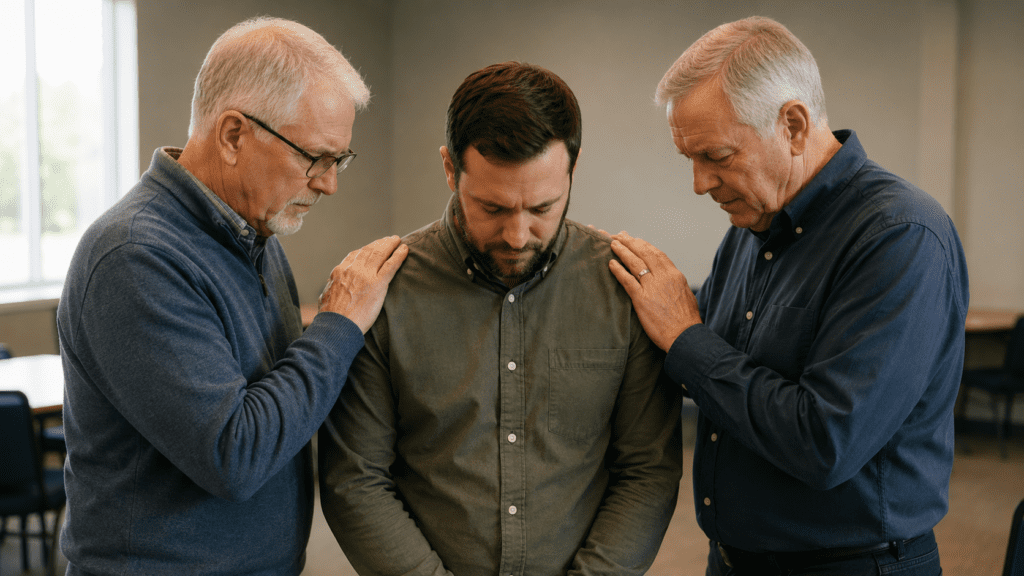
A counselor once said confessing temptations early can prevent deeper failure. Mark A. Taylor reflects on fear, pride, and the need for trusted accountability that helps leaders grow in integrity.
Church Leadership equips pastors, elders, ministry staff, and volunteer leaders to lead with biblical conviction, humility, and wisdom. Explore practical, Scripture-shaped guidance on leading teams, developing leaders, casting vision, making decisions, and building a healthy ministry culture. You’ll also find help for navigating conflict, communication, accountability, and the spiritual formation of leaders—so leadership flows from character, not just competence. Whether you’re stepping into leadership for the first time or carrying long-term responsibility, these resources aim to strengthen your leadership for the good of the church and the mission of Jesus.
November 7, 2007
A counselor once said confessing temptations early can prevent deeper failure. Mark A. Taylor reflects on fear, pride, and the need for trusted accountability that helps leaders grow in integrity.
November 4, 2007
A critique of the church’s “excellence” mantra, exploring how it can become elitist, expensive, exhausting, and divisive—and offering healthier alternatives like efficiency, patience, and inclusion.
October 28, 2007
Bob Russell urges believers to celebrate what God has done without idolizing old methods or dismissing the past. The church’s power, he says, is found in Christ, the cross, and bold preaching of God’s Word.
As larger churches add specialized ministry roles, many are hiring proven volunteers from within their own congregations. Paul Boatman explores the benefits, risks, and the need for strong partnerships between local churches and theological education.
October 7, 2007
Church leadership internships: How internships can help churches raise up leaders from within As churches grow, leadership gaps can stall momentum. This article explains how one church developed a practical, step-by-step approach to identify potential leaders, disciple them, and progressively increase responsibility through internships. The goal is to cultivate gifts and build a healthy leadership pipeline from within the congregation. Identify leaders early and build intentional pathways for development. Use internships to formalize responsibility and increase accountability. Create a clear process that moves people from volunteer roles toward staff roles. By Kevin Stone As Christ’s Church of the Valley’s executive
September 30, 2007
Change can feel like progress to some and disruption to others. Learn how one rural congregation navigated rapid transitions, differing mind-sets, and unintended consequences while working to prevent and resolve conflict.
September 30, 2007
If we want to avoid conflict, our first question should be, “What does God want us to do?” Seeking God’s guidance begins in prayer. Involving the entire congregation in praying for God’s guidance makes conflict less likely.
September 30, 2007
Lessons from Walnut Grove Christian Church on preventing and addressing congregational conflict—reducing anxiety through peer learning, valuing “apt words,” and intervening quickly with a Matthew 18 framework.
September 30, 2007
Most church conflicts resolve with timely intervention, but some require firm, united leadership and church discipline. New Testament examples show both the pain and the hope of hard decisions.
September 23, 2007
Joe Grana reflects on North American Christian Convention preaching and why the message of the cross still matters. He urges balance with media, clearer Scripture handling, and conversational delivery—while calling churches to prioritize church planting.
September 12, 2007
Veteran minister Ben Merold reflects on church growth, encouraging small-church leaders, and reaching the culture without selling out. He shares practical wisdom from decades of preaching and leading Harvester Christian Church.
August 5, 2007
A practical guide to choosing elders rooted in 1 Timothy 3:1-7. Matt Proctor offers ten questions to help congregations identify leaders with character, wisdom, and credibility—while applying biblical standards with grace.
After coaching 16 lead pastors from large churches, Bob Harrington shares 10 insights on grace-centered leadership, rigorous self-care, building leaders of leaders, healthy eldership, and serving the community with generosity and relational intentionality.
Mark A. Taylor remembers his most effective mentor, Charles E. Stiles, and the simple, lasting lessons he lived out. From the Come Alive Singers to everyday counsel, Stiles showed that “the people are the program.”
July 22, 2007
Contemporary preaching comes in many forms, but common threads are emerging. Chuck Sackett highlights investment, involvement, invention, and response—then offers wise cautions for staying faithful while adapting methods.
As megachurch pioneers near retirement, more leaders are building succession plans. This article explores what helps transitions work, what derails them, and why trust, timing, and humility matter when passing leadership to the next pastor.
Russell Crabtree, Holy Cow Consulting, The Elephant in the Boardroom, pastoral transitions, succession planning, Disciples of Christ, Episcopal Church, Columbus Ohio,
After succeeding Bob Russell at Southeast Christian Church, Dave Stone shares lessons from a senior pastor transition—humility, criticism, family priorities, and learning to depend on Christ under daily leadership pressure.
A church can avoid crisis-driven preacher searches by planning ahead. Gregory S. Waddell explains why succession planning belongs with prayer, and how elders can move past common myths to match leadership skills with real congregational needs.
Christian leadership isn’t just strategy or skill—it’s a matter of the heart. Through David’s story, this article warns against pride, highlights humility, and calls leaders to remember that God, not the gifted, is the source of true leadership.