July 18, 2010

They Trust Me, They Trust Me Not
Dave Ping explains why trust is essential to church leadership and how wounded congregations can begin rebuilding confidence through genuine listening, caring, and practical trust-building practices.
Church Leadership equips pastors, elders, ministry staff, and volunteer leaders to lead with biblical conviction, humility, and wisdom. Explore practical, Scripture-shaped guidance on leading teams, developing leaders, casting vision, making decisions, and building a healthy ministry culture. You’ll also find help for navigating conflict, communication, accountability, and the spiritual formation of leaders—so leadership flows from character, not just competence. Whether you’re stepping into leadership for the first time or carrying long-term responsibility, these resources aim to strengthen your leadership for the good of the church and the mission of Jesus.
July 18, 2010
Dave Ping explains why trust is essential to church leadership and how wounded congregations can begin rebuilding confidence through genuine listening, caring, and practical trust-building practices.
July 4, 2010

Rick Grover reflects on how church leaders can respond to criticism, conflict, and mean-spirited behavior with self-examination, compassion, courage, and Christlike firmness.
June 6, 2010

Preacher Preparation Begins with the Whole Person Bruce E. Shields reflects on the lasting influence of a preacher’s character and argues that sermon preparation must include personal and spiritual preparation. Drawing from Phillips Brooks and practical ministry experience, he encourages preachers to pray, hear the text personally, study deeply, and offer the sermon as worship. A preacher’s character often leaves a deeper lasting impression than any single sermon. Preachers should prepare both the message and the whole person who delivers it. Prayer, personal engagement with Scripture, scholarship, and worship are essential to faithful preaching. By Bruce E. Shields Who is
By Wayne Shaw Preaching has always been important in the culture and curriculum of our Bible colleges and seminaries. Earl C. Hargrove championed a theme that has been echoed in the charters of schools across the brotherhood when he launched Lincoln (Illinois) Bible Institute in his inaugural sermon with the promise, “The Preachers Are Coming.” For 45 years I have taught preaching, mainly at what is now called Lincoln Christian University, but also in special courses throughout North America and around the world. I speak with the confidence of experience when I assert that preaching is in the DNA of
June 6, 2010

Max R. Hickerson draws from Winston Churchill’s speaking method to help Bible teachers and preachers communicate with stronger openings, clearer themes, simple language, vivid word pictures, and emotional impact.
June 6, 2010

Mark Scott explores what a sermon is, how Scripture describes preaching, and what faithful sermons should accomplish in the hearts and lives of listeners.
June 6, 2010

Jud White reflects on creativity, humor, and the deeper goal of preaching: clearly explaining Scripture and applying it to individual and community life.
June 6, 2010

Jeff Walling explains why great sermons last beyond Sunday morning, urging preachers to build around a clear image that is simple, vivid, and passionate.
June 2, 2010

Remembering Sermons That Shape Us Understanding the Impact of Memorable Sermons The influence of memorable sermons extends far beyond the walls of the church. They can impact our daily lives, shaping our values, decisions, and relationships. Consider how a sermon might inspire someone to volunteer in their community, embark on a new career path, or even reconcile with a loved one. These sermons often serve as catalysts for change, prompting us to reflect on our lives and take action. For instance, a sermon on forgiveness might inspire someone to reach out to a family member they haven’t spoken to in
June 2, 2010
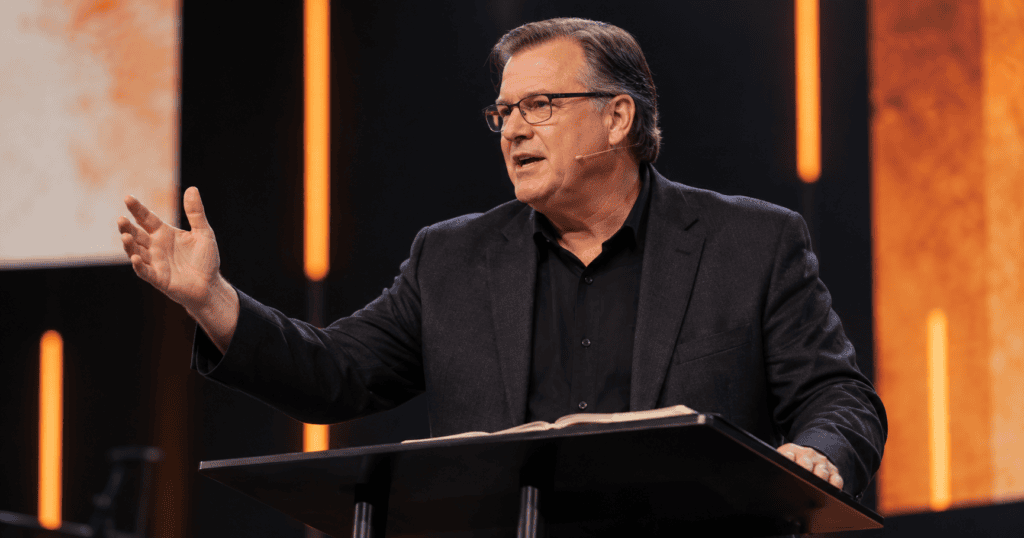
Mike Claypool discusses preaching, sermon preparation, collaboration, and life change, sharing how Scripture, personal suffering, and pastoral authenticity shape his ministry.
May 30, 2010

Ken Swatman offers practical guidance for pastors and leaders helping people walk through repentance, redemption, restored identity, healed relationships, and the careful restoration of leadership authority.
May 16, 2010

Ken Swatman offers practical counsel for pastors and church leaders preparing to confront sin with wisdom, patience, documentation, clear boundaries, and a redemptive goal.

Ken Swatman explores how pastors build credibility through time, authenticity, transparency, and biblical authority while leading congregations through discipline, redemption, and restoration.
May 5, 2010

Mark A. Taylor reflects on how elders and other Christian leaders shape the next generation through example, maturity, service, and unconditional love.
May 5, 2010

Bill Buher and his son Mike reflect on serving as elders in different churches, passing faith across generations, and holding to biblical fundamentals while methods change.
April 25, 2010

Chuck Booher challenges pastors, elders, and ministry leaders to examine whether their private conduct reflects Christ, warning against intimidation, deceit, jealousy, and abuse behind the scenes.
April 25, 2010

Marvin D. Hinten recommends ten literary classics that can help Christian leaders reflect on temptation, confession, grace, spiritual struggle, and the power of literature to connect readers with God.
April 11, 2010

Justin Miller led Real Life Christian Church through repentance, unified eldership, renewed vision, discipleship, and leadership development after becoming senior minister during a season of financial strain.

Aaron Brockett reflects on succeeding Howard Brammer at Traders Point Christian Church, leading through change, earning trust, and depending on God’s sovereignty in pastoral transition.
By Bob Russell In 1965, Butch Dabney served as chairman of the pulpit committee for the newly established Southeast Christian Church in Louisville, Kentucky. A few months before I was asked to preach a trial sermon, Butch approached the president of Cincinnati Bible Seminary and asked for the names of young preachers who had the potential to grow with the church. Butch said, “We want to hire a young man and we”re going to make him successful.” That phrase describes the attitude elders should have toward their preacher: one of their primary functions is to help make the preacher successful.
Sponsored

Sponsored

Sponsored


August 11, 2026
Charity Byers
August 11, 2026
David Faust

August 5, 2026
John Mulpas