Articles for tag: Civil Rights Movement

Christian Standard Interview with Fred Gray: Preacher, Lawyer, and Civil Rights Warrior

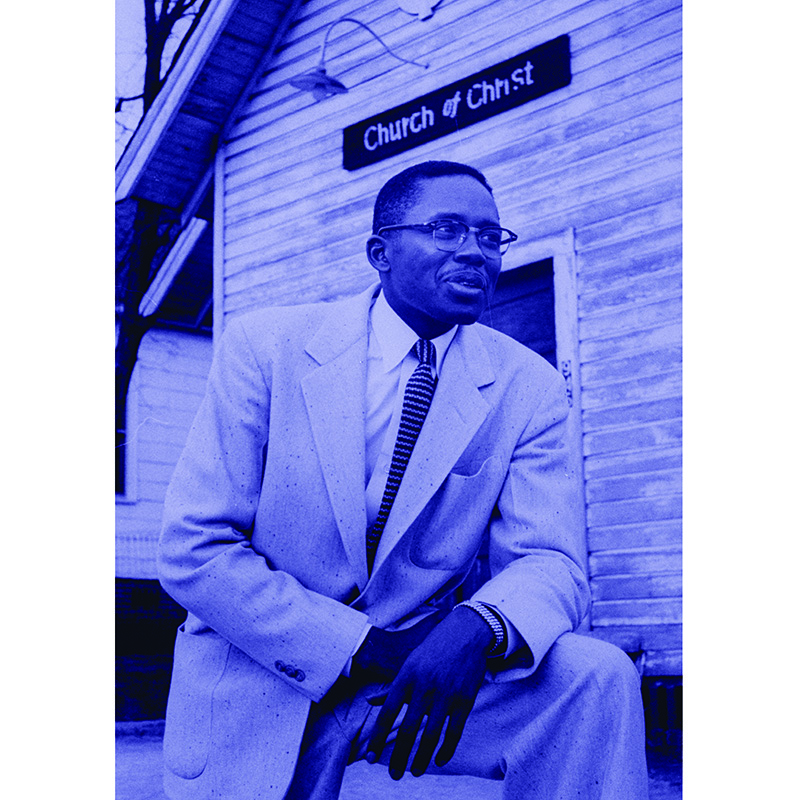
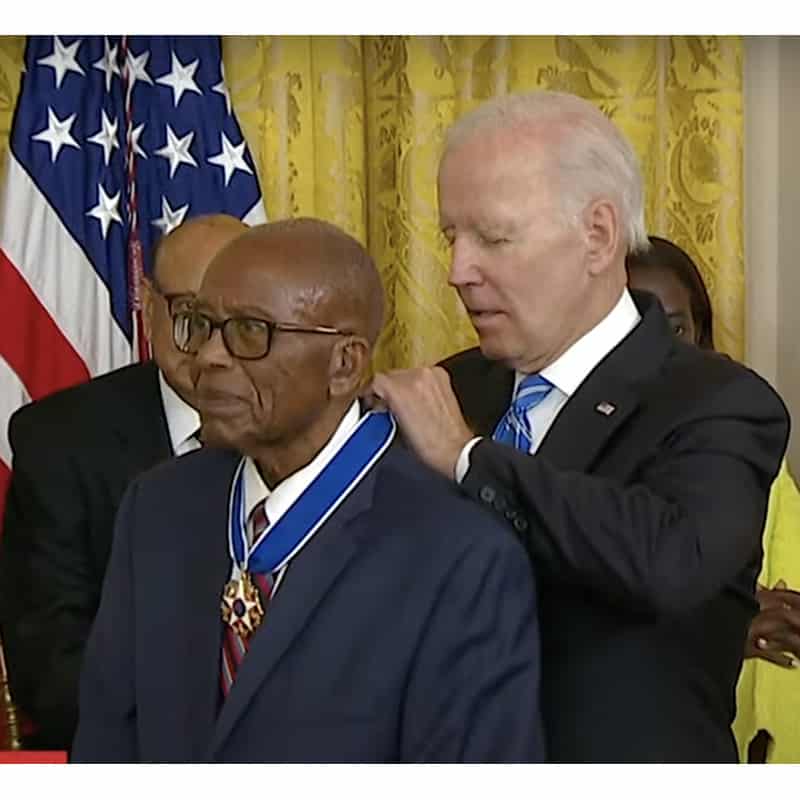
By Jerry Harris HE’S A QUIET southern gentlemen, but he wields the law like a warrior. He is fueled with a deep conviction to his calling in life. Though he is nearly 88, his recall of facts and names is instantaneous. He is friendly . . . able to distinguish lines that separate the arena of ideas from the God-given value of every human being with whom he comes in contact. He’s among the last remaining champions of the earliest days of the civil rights movement; he is the one who brought the heavy weight of the law to bear

Andrew J. Hairston: Central to the Struggle

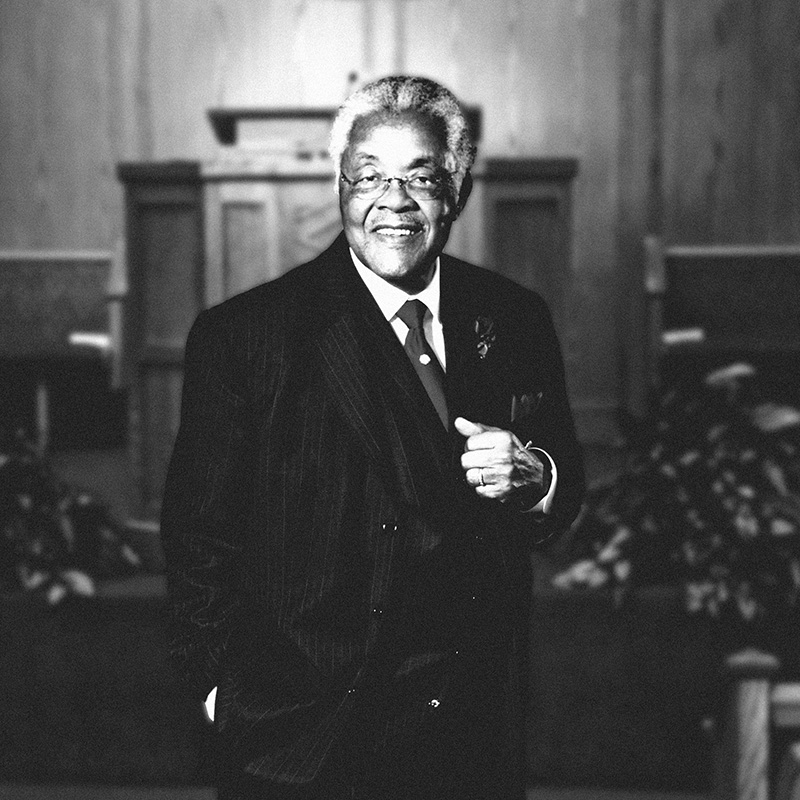
By Jim Nieman Andrew J. Hairston has harnessed an inner drive his entire life. A drive to learn. A drive to serve his community and others. A drive to serve God. And an unwillingness to passively accept injustice. Instead, he has stood up and identified wrongs while working to change them. Hairston’s efforts, and the efforts of many others in the African-American churches of Christ, have helped bring about changes that most everyone would agree are a better reflection of God’s ideal for unity within his church. A Life of Accomplishment Hairston, 86, was born the 13th of 15 children

Inspiring Us to Greater Things

By Jerry Harris Last year at the North American Christian Convention, David Johnson of Harvest Point Church in North Charleston, South Carolina, stopped by the Christian Standard Media booth to talk. When I mentioned that I had been reading about Marshall Keeble, David just lit up. He began to share things he’d learned about Keeble’s methods of establishing churches and raising up leaders for them. He mentioned names of some other folks and asked if I’d heard or read about them. It was my favorite part of the convention, and it energized me for writing the article about Keeble this month.

What Kind of Extremists Will We Be?

By Michael C. Mack “If today’s church does not recapture the sacrificial spirit of the early church, it will lose its authenticity, forfeit the loyalty of millions, and be dismissed as an irrelevant social club with no meaning for the twentieth century. Every day I meet young people whose disappointment with the church has turned into outright disgust.” Dr. Martin Luther King wrote these words in his “Letter from Birmingham Jail” on April 16, 1963. Now, nearly 55 years later, his words seem prophetic. King’s letter was in response to eight white Alabama clergy members who wrote a letter asking

Pursuing Justice in an Unjust World

By Mark W. Hamilton What does a just community look like? Is the American church such a community?  Do we live out the call of the prophet Micah to “do justice, love mercy, and walk humbly before God?”* These questions confront anyone who studies the history of American Christianity. From that history we learn that Christians used the Bible to defend slavery and oppose it, to silence women and empower them, to cheer on Bull Connor”s corrupt police in Birmingham, Alabama, and to walk through hostile crowds in Little Rock, Arkansas, and Selma, Alabama, during the civil rights movement. Today,

Life and Death, Racism, and Responsibility

By LeRoy Lawson   Do No Harm: Stories of Life, Death, and Brain Surgery Henry Marsh New York: Thomas Dunne, 2015 The Warmth of Other Suns: The Epic Story of America”s Great Migration Isabel Wilkerson New York: Random House, 2010 To Heal a Fractured World: The Ethics of Responsibility Jonathan Sacks New York: Schocken Books, 2007 So what do you think of Obamacare? Has any topic in recent years generated more sound and fury, or more heat and less light than America”s medical care? (OK, maybe immigration policies, or same-sex marriage, or. . . . You get my point, though, don”t you?) For years

A Conversation with John Perkins

John Perkins, one of the leading evangelical voices coming out of the U.S. civil rights movement, spoke with contributing editor Jennifer Johnson at the North American Christian Convention, June 2015. In this exclusive interview, he explains why many efforts toward racial reconciliation are like trying to cure cancer with Tylenol and what the church’s role in racial healing must be. See the interview here.

The Hidden Wound and the Healing Table

By Robert F. Hull Jr. The Hidden Wound is a wonderful book by Wendell Berry.1 It’s really an extended essay he wrote in 1969 during a fellowship at Stanford University. The reflections in the book were touched off by protests going on around him during the racial unrest of that era. He came to realize his family and community in rural Kentucky had inflicted a wound on him, hidden until he became old enough and experienced enough to give that wound a name. And then he knew that the wound was called racism. His parents and grandparents were not bad

Secret Link