Leveraging Technology for Ministry

By Jim Estep I recall Dave Stone once saying something like, “You can’t reach an MP4 generation with 8-track methods. The problem is that half of you are asking, “What’s an MP4?” and the others are asking, “What’s an 8-track?'” It is not just that technological innovation continues at an unprecedented rateI actually think Dave said, “MP3 generation”or that its presence within our culture and our lives grows more pervasive daily, but that technology has changed how we perceive our lives, society, and especially the church. The simple lesson is this: We either will learn to leverage technology in our

How to Develop an Online Church Campus

By Rusty George “Church online isn’t church.” Yep, that’s what I used to say. Of course, I also thought texting would never last and Facebook was a fad. But hey, what do I know? I guess you might call me a late adopter. Needless to say, starting an online campus wasn’t at the top of my list. But six years ago we decided to add an online option at our church, and I’ve changed my mind about its importance. The First Question: Why Mess with It? It sounds like a lot of work when a simple website with service times

Technology and the Church

By Jerry Harris Modern technology is an incredible thing, and it’s especially impressive to someone my age. When I was a child, I used to wonder at the people I knew who were around before airplanes, mass-production of cars, and the discovery of antibiotics. With technology developing at light speed, I have become one of those people today that young people look at quizzically. I grew up when cars had painted steel dashboards, pointy control knobs, and a shelf beneath the back window for kids to sleep on during drives. The only “airbag” in our car was my mother’s arm

Can Online Churches Create Offline Connections?

Three Churches Share Stories from the “Wild West”of Worship on the World Wide Web By Justin Horey From smartphones to social media, Facebook to FaceTime, the Internet and the tools we use to access it are often advertised as ways to help people relate to one another. Dating apps and websites aim to bring people together in person, while social media platforms and videoconferencing were created to help people stay in touch when they can’t be together in the same room. Technology experts and ordinary people alike love to debate the effectiveness of relating with online tools, but these tools

Your Digital Screen Door: 6 Common Church Website Mistakes and How to Fix Them

By Tim Cole The Internet is the most disruptive force in church communication since the invention of Gutenberg’s printing press in 1439. Your church’s front door may be located on your property, but in many ways the church’s website serves as the new digital screen door through which your potential guests will decide beforehand if they will venture to and through the physical front door. Recently I consulted with an older church overseas about why they weren’t attracting and keeping enough visitors to spur consistent growth. My onsite visit revealed several potential problems, but one stood out. The urban church

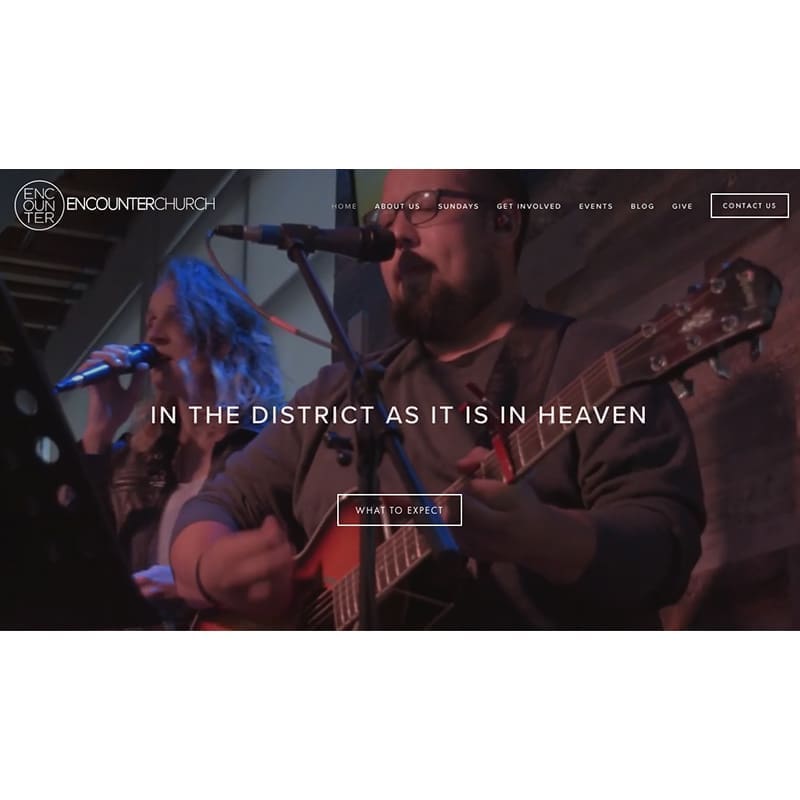
How to Develop an Online Church Campus

By Rusty George “Church online isn’t church.” Yep, that’s what I used to say. Of course, I also thought texting would never last and Facebook was a fad. But hey, what do I know? I guess you might call me a late adopter. Needless to say, starting an online campus wasn’t at the top of my list. But six years ago we decided to add an online option at our church, and I’ve changed my mind about its importance. The First Question: Why Mess with It? It sounds like a lot of work when a simple website with service times

Can Online Churches Create Offline Connections?

Three Churches Share Stories from the “Wild West” of Worship on the World Wide Web By Justin Horey From smartphones to social media, Facebook to FaceTime, the Internet and the tools we use to access it are often advertised as ways to help people relate to one another. Dating apps and websites aim to bring people together in person, while social media platforms and videoconferencing were created to help people stay in touch when they can’t be together in the same room. Technology experts and ordinary people alike love to debate the effectiveness of relating with online tools, but these

Church Tech without the Technobabble

By Michael C. Mack Most of us know the value of using modern technology for both personal and church use, but some of us—especially those of us over a certain age (and I’m uncertain what that certain age is anymore)—simply don’t have the expertise to use it well. Truth is, we’re afraid we’ll bumble the technological language well before we bumble the technology itself. I’ve experienced this while trying to talk to a 20-something wisenheimer at Best Buy. I stand there with a blank look on my face as he lays down some impressive technobabble. Just tell me which watch

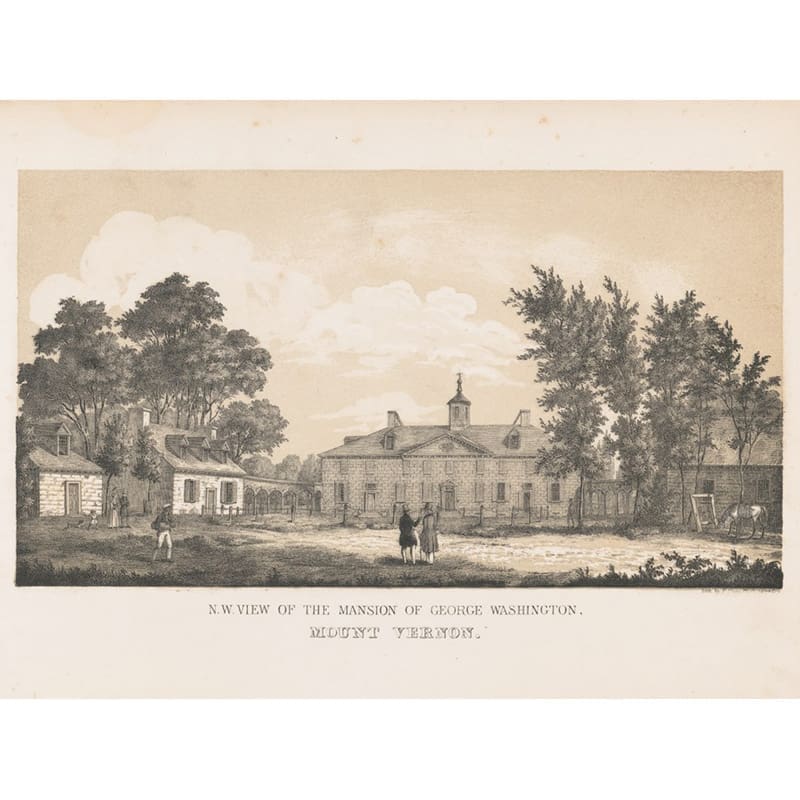
A Restored House

By Stuart Powell Presidents’ Day, which we will celebrate Monday, February 17, now honors all presidents, but in the late 1870s it was originally set aside as a federal holiday to honor only one—our nation’s first president, George Washington, born February 22, 1732. Let’s fast-forward to the end of that remarkable man’s life. On December 14, 1799, George Washington died at the age of 67. His death occurred less than three years after completing his service as first president (1789—1797) and then retiring to his beloved Mount Vernon estate. When his widow, Martha Washington, died in 1802, the Virginia property

Six Reasons Your Church Needs a Mobile-Giving Option

By David Dummitt IBM created the first smartphone in the early 1990s, but it was Apple’s release of the first iPhone in 2007 that effectively changed the world at large. Fast-forward to today and approximately 81 percent of people in America own a smartphone. The world has literally moved into the palms of people’s hands. The advent of smartphones over the past quarter century has revolutionized the way people prefer to learn, shop, and, yes, give. While many churches are embracing financial technology in new ways and are experiencing the positive impact on congregational generosity, many churches in America continue

Kent E. Fillinger

Church Management Systems: Who Is Using What . . . and How?

By Kent E. Fillinger For all but the smallest of churches, leaders need an efficient and effective way to collect, organize, and utilize church-member data. A Church Management System (ChMS) is a powerful tool that can help churches with communication, giving and other financial reporting, event registration, children’s check-in, and more. In the last four years, a seismic shift has occurred in the ChMS world, according to leading expert Mark Kitts. During this time, a technology company called Ministry Brands has bought up more than 20 ChMS companies and their programs and consolidated them into a few basic platforms. This

Solving the American Church's PR Problem

How Northeast Christian Is Seeking to Redefine Church Around the Cross-Shaped Love of Jesus _ _ _ I was a stranger and you invited me in. _ _ _ By Tyler McKenzie Outsiders consider people inside the church to be extreme and irrelevant. That’s according to recent research about perceptions of Christianity in America conducted by Barna Group and its president David Kinnaman. You may disagree with these descriptors of churchgoersextreme and irrelevantbut perception is reality to some degree. Outsiders either despise us or don’t care about us. We clearly have a PR problem on our hands. The extremist label

Kent E. Fillinger

"This Is for All the Lonely Boomers"

By Kent E. Fillinger “OK Boomer” is a new social media catchphrase that is becoming popular with many people younger than 40. In the Washington Post, Holly Scott defined the phrase as “a jab from the young to the old, a collective eye-roll at the out-of-touch judgments baby boomers pass on the tastes, values and lived experiences of millennials and Gen Zers.” Generational divides and derision are nothing new. Ironically, when boomers (those born between 1946 and 1964) were young adults, many said you can’t trust anyone over the age of 30. In my June 2019 Metrics article, I asked,

Whom Is God For?

By Jason Shreve Have you ever wondered, Whom is God for? It’s a good question that seems to come up during every big game. Before last year’s Super Bowl, people were counting which team had the most Christians. Is that an indication God is for them? During the 2012 football season, people were asked, “Do you believe that any of Tim Tebow’s success can be attributed to Divine Intervention?” Forty-three percent of Americans answered yes. Whom is God for? Is he for the most talented? The hardest working? The purest in heart? The one who needs it most? In sports

Armistice

By Jon Wren For 101 years, every November 11 has been acknowledged worldwide in some way. It is known as Veterans Day in the United States, but was originally known as Armistice Day; the Armistice ended the Great War, now known as the First World War, in 1918. That global struggle lasted more than four years and resulted in millions of deaths. When the warring powers finally agreed to cease hostilities at the 11th hour of the 11th day of the 11th month, the world breathed a sigh of relief and hoped for a real and lasting peace. That peace,

Connecting the ‘Vast Areas’: 5 Tips for Effectively Using Social Media in Rural Ministry

By Rob O’Lynn America is becoming more urbanized, but roughly 60 million people still live in “vast areas” classified as rural. How can Christian churches effectively connect with people who are relatively few and far between? Social media should be a primary method. Unfortunately, it’s a method country and small-town churches have been slow to embrace. Here are five thoughts on how to harness the Internet and use it to make your church an influential voice for God in your rural region. 1. Structure Your Engagement All social media is relational. I’m not speaking just of Facebook, Twitter, Snapchat, or

Returning to Palestine

It can be fascinating to read an editorial from an old issue of Christian Standard and consider biblical history that preceded it and world history that has occurred since. Such is the case with this piece from 140 years ago. One important note: We don’t believe the editor’s reference to the Jewish people as “the hated race” was intended as a personal slur. Instead, we think he meant to describe the anti-Semitic opinion held by many in the world at that time in history. Sadly, some of these feelings and rhetoric remain today. _ _ _ Jews in Jerusalem An

Righting the Wrongs of the Past

By Jerry Harris I’m a product of the suburbs. I grew up on the west side of Indianapolis in the early 1960s, part of a post-World War II migration from urban areas to planned neighborhoods that sprang up from what were formerly farm fields surrounding big cities. There were a number of reasons for this great migration. Ex-servicemen had access to loans to pursue the American dream, so they moved out of apartments in the city and purchased their own homes on their own land in burgeoning suburbs. The availability of automobiles and creation of the interstate highway system encouraged

A July 4th Message from 1960

Here is an Independence Day editorial by Edwin Hayden from 1960 . . . 94 years after the founding of our magazine and 184 years after the founding of our nation. _ _ _ Which Kind of Freedom? An EditorialJuly 2, 1960; p. 2 About to talk to a group of school children on the subject of freedom, the preacher asked his young hearers to define the word free. First offered was this: “Like getting into the show without paying.” Free—“without cost”—has been lifted from an obscure and incidental place among the definitions of freedom so that it becomes a

Pantano Recognized for Racial Reconciliation Efforts

By Jim Nieman Glen Elliott, lead pastor with Pantano Christian Church, Tucson, Ariz., represented PCC Sunday as they received the church of the year award for racial reconciliation from the Racial Reconciliation Community Outreach Network in that city. “I’m so grateful to be a part of a church that embraces racial equality & unity,” Elliott wrote on Facebook. Pantano has been working toward racial reconciliation for many years. “Back in 2013 a small group of black and white pastors agreed—some reluctantly—to meet to better understand each other and see if we could address this in our community,” Elliott shared with

Help Keep Christian Standard Free & Accessible with a Tax Deductible Donation

We can do more together!

Every gift makes a difference!

No, thank you.
100% secure transactions - receipts provided.
Does Your Church Want to Support Christian Standard?

Would your church consider including support for Christian Standard in its annual missions budget? Your support would help us not only continue the 160-year legacy of this unifying ministry, but also expand the free resources, cooperative opportunities, and practical guidance we provide to strengthen churches in the U.S. and around the world.

We can do more together!

Every gift makes a difference!

No, thank you.
100% secure transactions - receipts provided.
Secret Link