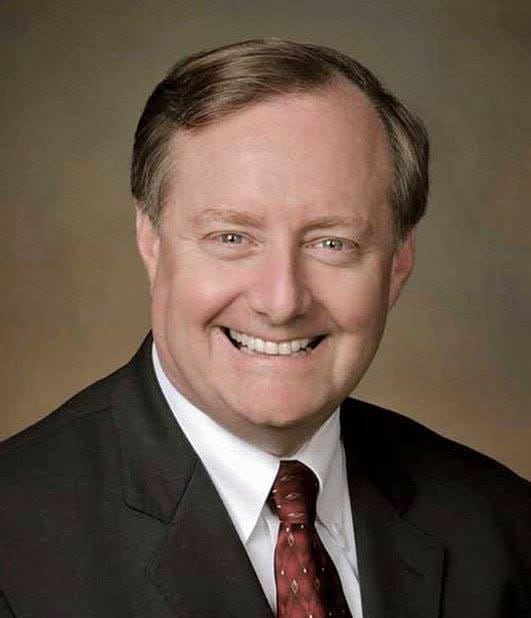
Articles for tag: Kent Fillinger

Kent E. Fillinger

The Mainstreaming of Online Church

By Kent Fillinger If Paul were still preaching, would he have an online church live-streaming from Jerusalem? It’s entirely possible. After all, Paul said, “I have become all things to all people so that by all possible means I might save some. I do all this for the sake of the gospel, that I may share in its blessings” (1 Corinthians 9:22, 23). All that to say, Internet worship services are becoming more mainstream. In July, I provided an overview of how Christian churches and churches of Christ are using various social media platforms to communicate. I want to go

The 2018 Charts: Small Churches and Very Small Churches

Our annual listing of churches is one of Christian Standard’s most popular features. This year scores of churches participated, including 78 small churches (average weekly worship attendance of 100 to 249 during 2018) and 47 very small churches (attendance of fewer than 100). In May we featured an article and statistics from 55 megachurches (2,000 or more in weekly attendance) and 70 emerging megachurches (1,000 to 1,999). In July we spotlighted 88 large churches (500 to 999 in weekly attendance) and 86 medium churches (250 to 499). Click here to view and download 2018 Charts3, with data from small churches and

2018 Fast Facts about Small and Very Small Churches

These statistics from 2018 are gleaned from small and very small church data collected by Kent Fillinger. Be sure to read Fillinger’s article, “2018 Special Church Report, Part 3: Small and Very Small Churches,” and look at the accompanying tables, “The 2018 Charts: Small and Very Small Churches.” _ _ _ AVERAGE ATTENDANCE Small churches: 163 Very Small churches: 54 Combined average weekly attendance (125 churches): 21,701 _ _ _ GROWTH RATES Small churches: 0.03 percent (up from -0.3 percent in 2017); overall, 38 percent of small churches grew (up from 36 percent in 2017) Very Small churches: 1.7 percent

Kent E. Fillinger

2018 SPECIAL CHURCH REPORT, PART 3: Small and Very Small Churches

By Kent E. Fillinger This is the final installment of a three-part series sharing the research findings from our annual church survey. The May issue focused on 2018 data from megachurches and emerging megachurches. The August issue covered large and medium churches, and now we conclude the series with statistics from 78 small churches and 47 very small churches. This was the second year of surveying small and very small churches, so I will include some year-to-year comparisons, while acknowledging more data is necessary before identifying trends. Statistical Snapshot Small and very small churches had the slowest growth rates of

Kent E. Fillinger

The Debt Debate

By Kent E. Fillinger September is a prime time for churches to start planning next year’s budget, as most use a calendar year (January to December) budget cycle. To assist in your church’s budget projections, I’ll share some statistics and summaries on giving and debt from our 2018 church survey. Among church leaders, there are two distinct schools of thought about debt. Some are anti-debt and make being debt-free a primary goal of their church, while others see debt as a strategic tool to help finance the church’s vision. Whatever your thoughts, my hope is this data will help guide

2018 Fast Facts about Large and Medium Churches

These statistics from 2018 are gleaned from large and medium church data collected by Kent Fillinger. Be sure to read Fillinger’s article, “2018 Special Church Report, Part 2: Large and Medium Churches,” and look at the accompanying tables, “The 2018 Charts: Large and Medium Churches.” _ _ _ AVERAGE ATTENDANCE Large Churches: 691 Medium Churches: 358 Combined average weekly attendance (174 churches): 91,595 _ _ _ GROWTH RATES Large Churches: 1.9% (down from 2.9% in 2017); overall, 52% of large churches grew (down from 56% in 2017) Medium churches: 3.7% (up from 1.3% in 2017); overall, 60% of medium churches

Kent E. Fillinger

2018 SPECIAL CHURCH REPORT, PART 2: Large and Medium Churches

By Kent Fillinger This is the second installment of a three-part series sharing research findings from our annual church survey. This month, we turn our attention to 88 large churches (average weekly worship attendance of 500 to 999 during 2018) and 86 medium churches (average attendance of 250 to 499). Growth Flip-Flop The medium churches on average grew at almost twice the rate of large churches in 2018 (3.7 percent compared to 1.9 percent, respectively). This was the first-time since 2009 that medium churches we surveyed grew faster than large churches. This flip-flop partially resulted from medium churches having their

The 2018 Charts: Large Churches and Medium Churches

Our annual listing of churches is one of CHRISTIAN STANDARD’s most popular features. This year scores of churches participated, including 88 large churches (those with 500 to 999 in weekly attendance during 2018) and 86 medium churches (250 to 499). In May we featured an article and statistics from 55 megachurches (2,000 or more in weekly attendance) and 70 emerging megachurches (1,000 to 1,999). Come back in October for articles and charts from small (100–249) and very small churches (less than 100). Click here to view and download 2018 Charts2, with data from large churches and medium churches . . .

Kent E. Fillinger

‘Can They Hear Us Now?’

By Kent E. Fillinger I grew up in the 1970s when the average American home had no computer, the Internet was little more than an idea, and smartphones had not been invented. Our black-and-white family TV had four channels: the three major networks and the local PBS station. By 2015, the average American home with a TV could access about 200 channels and three-quarters of households subscribed to broadband Internet. By 2018, 77 percent of Americans owned a smartphone, according to Pew Research Center. Since the introduction of Facebook in 2004, the proliferation of social media sites and other apps

Kent E. Fillinger

Is Your Church Ready for Generation Z?

By Kent Fillinger It might seem hard to believe, but the millennial generation is approaching middle age! The oldest millennials will turn 38 this year, which means they were entering adulthood before today’s youngest adults were born. Many researchers and demographers are now shifting their attention from millennials to generation Z to learn more about them. Researchers quibble about when the millennial generation ends and generation Z begins—the years range from 1996 to 2002—but a Pew Research Center article from January indicates people in the two age groupings aren’t all that different. Here’s the article’s headline (so judge for yourself):

2018 SPECIAL CHURCH REPORT, PART 1: Megachurches and Emerging Megachurches

By Kent E. Fillinger When I started conducting megachurch and emerging megachurch research 15 years ago, there were a total of 255,179 people attending these churches on a given weekend. That number has grown 52 percent to 388,243 in 2018, which is a cause for celebration! For me, this statistical journey has always been about sharing and celebrating how God is at work in churches of all sizes in many different ways. My focus continues to be on helping churches learn from one another and providing context and clear metrics for church leaders to make better decisions based on research

The 2018 Charts: Megachurches and Emerging Megachurches

Our annual megachurch listing is one of CHRISTIAN STANDARD?™s most popular features. This year scores of churches participated, including 55 megachurches (those with 2,000 or more in weekly attendance during 2017) and 70 emerging megachurches (1,000 to 1,999). Come back in August for articles and charts from large churches (those that averaged 500–999) and medium churches (250–499). In October, we will post data and have feature articles from small (100–249) and very small churches (less than 100). Click here to view and download the 2018 Charts, or click on them individually. • 2018 Megachurches • 2018 Emerging Megachurches Click here

2018 Fast Facts about Megachurches and Emerging Megachurches

These statistics from 2018 are gleaned from megachurch and emerging megachurch data collected by Kent Fillinger. Be sure to read Fillinger’s article, “2018 Special Church Report, Part 1: Megachurches and Emerging Megachurches,” and look at the accompanying tables, “The 2018 Charts: Megachurches and Emerging Megachurches”. Compiled by Kent Fillinger _ _ _ AVERAGE ATTENDANCE Megachurches: 5,363 Emerging Megachurches: 1,332 Combined average weekly attendance (125 churches): 388,243 _ _ _ GROWTH RATES Megachurches: 6.6% (up from 5.7% in 2017); overall, 74% of the megachurches grew (up from 71% in 2017) Emerging Megachurches: 4.1% (unchanged from 2017); overall, 71% of emerging megachurches

Decision Points, Pain, and Church Growth

By Michael C. Mack Why do some churches grow and multiply, some plateau, and others decline? It™s a question I™ve considered for a long time. As I studied the article and charts Kent Fillinger prepared for this month, it reinforced my theory that growing churches do certain things and have a particular mind-set largely absent in stagnant and declining churches. I™ll try to explain. In my personal life, I™ve seen a direct correlation between my physical health and my tolerance for pain. For years I lived with carpal tunnel syndrome and eventually lost quite a bit of functionality in both

Kent E. Fillinger

Christianity in Confusion: What Happens When We Forgo Reading the Directions

By Kent E. Fillinger A year or so ago, one of my teenage daughters had several of her friends over for a sleepover. During the night, the girls decided to play a game. My daughter pulled Scattergories, which was new to her, out of the closet, and in the girls’ rush to play, they decided to forego reading the directions. Instead, they came up with a way to play based on what they thought made sense. Not reading the directions first resulted in a hodgepodge game with no winner. There were a few arguments along the way, due to the

Kent E. Fillinger

Church Multiplication Scorecard

By Kent Fillinger  A new question on our last annual church survey asked, “Using the scale created by Exponential.org, which of the following best describes your church in 2017?”              Level 1: Declining (attendance going down) Level 2: Holding Even (attendance largely unchanged) Level 3: Growing (attendance growth by 5 percent or more) Level 4: Adding/Reproducing (we directly launched another new campus or church plant) Level 5: Multiplying (a campus or church we helped to start has itself become a reproducing church) In Exponential’s e-book Becoming a Level Five Multiplying Church Field Guide, Todd Wilson, Dave Ferguson, and Alan Hirsch provided

Kent E. Fillinger

Transformational Trends

By Kent Fillinger Since transformation is a main theme of this issue, I decided to explore three trends that are reshaping culture and will likely re-create the look and feel of our churches. My goal is not to stir up controversy but to change the questions we are asking in order to spark new conversations among church leaders.   The Single Situation “Half of Americans ages 18 and older were married in 2016, a share that has remained relatively stable in recent years but is down 9 percentage points over the past quarter-century,” according to the article “8 Facts about

Kent E. Fillinger

Giving Insights for the New Year

By Kent Fillinger Sermon series on giving, stewardship, and generosity are often popular to start a new year. To help church leaders gain a broader perspective on giving, here are some important research results.   The State of Charitable Giving According to Giving USA 2018: The Annual Report on Philanthropy for the Year 2017, Charitable giving reached record levels for the fourth consecutive year in 2017. Total giving in the United States rose 5.2 percent, ringing in a new all-time high of $410 billion. Over the course of a decade, charitable giving increased by nearly $100 billion. Studies show the

A Sign and a Prediction, Both Fulfilled

(This Communion meditation originally appeared in our December 1, 1998, edition.)   By Kent Fillinger The year was 734 BC. King Ahaz of Judah was under attack by the countries of Syria and Ephraim, which were trying to dethrone him. In order to encourage King Ahaz, God told King Ahaz to ask Him for a sign. When the ruler asked, God said, “Therefore the Lord himself will give you a sign: The virgin will be with child and will give birth to a son, and will call him Immanuel” (Isaiah 7:14, New International Version). “Immanuel” means “God with us.” This

Kent E. Fillinger

How Changing Shopping Trends Affect the Church

By Kent Fillinger Eight of the 10 biggest shopping days of the year occur in December. The other two take place in November. Sales spike in December at retail stores, online stores, and even grocery stores. Based on my research, church attendance also spikes during December due to special events and Christmas Eve services that attract more people than any other time but Easter. Despite a strong economy and low unemployment, the retail industry is undergoing a major repositioning as legacy stores and brands that were once customer favorites fall victim to shifting consumer demands. Stores like Nine West, Toys

Help Keep Christian Standard Free & Accessible with a Tax Deductible Donation

We can do more together!

Every gift makes a difference!

No, thank you.
100% secure transactions - receipts provided.
Does Your Church Want to Support Christian Standard?

Would your church consider including support for Christian Standard in its annual missions budget? Your support would help us not only continue the 160-year legacy of this unifying ministry, but also expand the free resources, cooperative opportunities, and practical guidance we provide to strengthen churches in the U.S. and around the world.

We can do more together!

Every gift makes a difference!

No, thank you.
100% secure transactions - receipts provided.
Secret Link