Why the NACC Regional Conferences Struggled
Looking Ahead: The Future of the North American Christian Convention
This year’s disappointing attendance at the NACC regional conferences prompts serious reflection on the future of these gatherings. It is crucial to recognize that while regionalization aimed to bring the North American Christian Convention closer to members, it inadvertently contributed to detachment and isolation. Moving forward, it is vital to reassess our strategies to ensure that we foster unity and connection among our diverse community.
One way to revitalize interest in the North American Christian Convention is to explore hybrid conference models. By combining in-person experiences with virtual participation, we can engage a wider audience and accommodate those who may be unable to travel. This approach not only broadens access but also creates a dynamic environment where ideas can flow freely across various platforms.
Furthermore, organizing smaller, local meetups throughout the year can help maintain community engagement. These gatherings can serve as a bridge between the larger conventions, allowing members to connect, share resources, and feel part of the fellowship consistently.
Incorporating engaging workshops, discussions, and interactive sessions can attract a wider demographic, particularly younger attendees who seek meaningful connections and opportunities for growth. By tailoring conference programming to address contemporary issues and trends within our faith community, we can increase relevance and appeal.
Ultimately, the goal is to ensure that the North American Christian Convention remains a vibrant and essential gathering that reflects the heart of our fellowship. Through collaboration, innovation, and a commitment to improvement, we can turn the tide and foster a renewed spirit of community and connection.
Mark A. Taylor reflects on disappointing attendance at this year’s NACC regional conferences and what it suggests about the value of a national gathering. He points to how regionalization weakened connection across the fellowship and how an “all or nothing” registration model discouraged partial attendance. The piece also discusses the long-term implications for community engagement and fostering relationships among attendees. The piece closes by urging leaders to learn from what participants “voted” with their feet.
- Regional conferences weakened the NACC’s role as “the connecting place.”
- Out-of-the-way locations and reduced cross-country presence lowered turnout.
- Full-price registration discouraged those who typically attend only a day or two.
- Understanding the dynamics of attendance can help future planning and improve engagement.
- Networking opportunities need to be enhanced to attract a diverse audience.
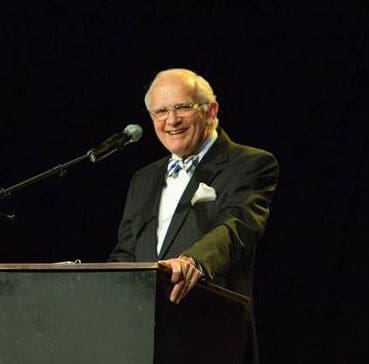
By Mark A. Taylor
I love the North American Christian Convention. I’ve anticipated and attended almost every convention since my first as a Bible college freshman in 1969. And so I’m sad to see the low attendance at this year’s NACC regional conferences. The essence of gathering lies in building community, sharing ideas, and fostering new relationships, which these conferences failed to achieve.
Attendance at the three regional conferences totaled somewhere above 3,000. As I write this just after the July Jacksonville conference, registration for the August minister and spouse retreat in North Carolina has reached about 300. Even these numbers must be put into perspective. Consider:
- At least 10 percent of the regional conference attendance was from exhibitors (some who attended more than one of the conferences).
- Some registered for the retreat as well as one of the conferences.
- And these numbers include those who registered but did not end up actually attending a conference.
- Comparing last year’s attendance to this year’s shows a stark decline, highlighting a need for reevaluation of the event structure.
At best, the picture is disappointing. If we thought we would attract more to four separate conferences than to one national event, we were wrong. The importance of a centralized gathering cannot be overstated in maintaining the unity of our fellowship.
We need to ask why. Although I’ve not heard one advocate for trying this experiment again anytime soon, we need to talk about what we’ve learned. Let me suggest a couple of answers that can illuminate the path forward and enhance future conference strategies.
Regional conferences disconnected us
Regional conferences disconnected us. The NACC is “the connecting place.” This is perhaps its strongest reason to exist. Our fellowship of churches sharing a unique plea and an important heritage will splinter and wane without something to hold it together. Three regional conferences, two of them in out-of-the-way places far from the center of our movement’s strength, can’t do this. The essence of our gatherings is not just about the location but the collective spirit that thrives when we come together.
After the Lexington event I made a long mental list of friends within two hours of Lexington who almost always come to the convention but didn’t attend this year. I think many in Ohio and Indiana and Kentucky felt they wouldn’t find the usual crowd from across the country in Lexington, and so they stayed home too. When people perceive a lack of community presence, they are less likely to take the initiative to attend.
Moreover, the emotional investment in attending these events is significant. When friends and familiar faces are absent, the incentive to participate diminishes. We must create a sense of belonging and connection that draws members back each year.
“All or nothing” squeezed us
“All or nothing” squeezed us. Typically, many attendees stop by the convention for just a day or two. They are juggling time demands, but they want to connect. So they find a day and a night to attend—especially when it’s close to home. This flexibility is critical for attendance and engagement, especially for those balancing work, family, and church commitments.
But the registration structure this year discouraged that. Attendees paid for the whole conference regardless of how much or little they attended. Many weren’t willing to pay full-price for a partial experience. Instead they stayed home. The decision to not offer a pay-per-day option may have alienated a segment of potential attendees who sought a more affordable and flexible option.
Our October 16 issue will contain a full and positive report about this year’s conferences. There’s much good to say about them, yet they fell short of the expectations we had set. But in our free fellowship, without hierarchy or structure, church members and leaders vote with their feet. This year they cast their ballots against the idea of regional conferences. We can learn from their decision and aim to craft events that resonate with what our members truly want.
To rebuild the attendance and enthusiasm for future gatherings, we must prioritize creating an inclusive, affordable, and vibrant atmosphere that encourages participation from all levels of our community. Engaging with past participants to gather feedback on their experiences will be invaluable in shaping how we approach our next events.
________
To agree or disagree with this column, or to share your opinions about this year’s NACC conferences, send us your Letter to the Editor at ch**********@*********ub.com.

Author: Mark A. Taylor
Mark A. Taylor, who served as Christian Standard editor from 2003 to 2017, retired in June 2017 after almost 41 years with Standard Publishing (Christian Standard Media).